



Current issues university transit operations are facing
Ridership fluctuations, funding, maintaining aging fleet and meeting parking demands are some issues at the forefront for university transit system operators.

What issues are you currently struggling with?
Deciphering fluctuations in ridership
The most difficult issue in operating our shuttles is predicting and responding to spikes in ridership numbers and deciding if they are short-term anomalies or long-term trends, including changes in ridership for specific times of day.
Josh Cantor, Director
Parking and Transportation
George Mason University
Fairfax County, Va.
Balancing parking vs. transit needs
To provide an affordable transit system for students, faculty and staff, we heavily subsidize our operations by using revenues generated from other areas in our department. The main source of this revenue is our surface parking lots. Unfortunately, as the campus grows, our number of surface parking spaces declines. This puts us in a position of deciding whether money is better spent to build parking garages or to support our transit. We hope to be able to do both by increasing our permit prices.
However, should our increase in permit prices be too steep, people may be pushed into alternative modes of transportation and our revenues decrease at the same time as our expenditures are increasing. This, coupled with uncertainty about gas prices and the state’s economic situation, places us in a very difficult position.
David Heineking, Associate Director of Operations
Parking and Transportation
University of Arizona, Tucson
Finding more funds for transportation
We’re committed to continuing our focus toward transit and away from accomodating single-occupancy vehicles. Since we’re a self-supporting enterprise funded primarily by parking fees and fines, our challenge is to develop a new funding model that provides for needed transportation improvements but is not based primarily on parking revenue.
Casey Jones, Director
Parking and Transportation Services
University of Colorado, Boulder
Maintaining an aging bus fleet
Our main issue these days are bus maintenance problems. We have a very old fleet of buses and they have constant problems, mainly involving the brakes and transmissions. The good news is we have ordered seven new buses that should arrive next summer.
Jill Ferrell Rountree, Director
Parking and Transportation
Valdosta State University
Valdosta, Ga.
Satisfying heavy parking needs
Balancing 15,000 parking spaces with 50,000 students, 20,000 staff and faculty and 2,300 events, all the while making coming onto the University of Texas at Austin campus a pleasant experience.
Charles O. Smith, Manager
Parking and Transportation Services
University of Texas, Austin
More Bus
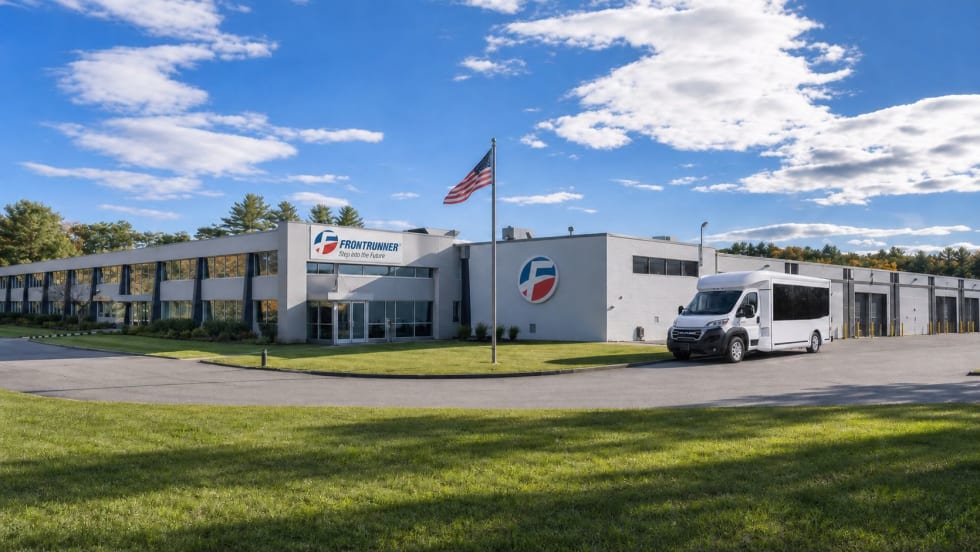
Frontrunner Bus Group Expands with New Massachusetts Headquarters
The significantly larger facility will provide the infrastructure needed to support the company’s growing workforce, advanced technologies, and expanding product line.
Read More →
Joshua Schank on Transportation Innovation, Risk, and the Future of Mobility
In this edition of METROspectives, Joshua Schank discusses lessons from launching LA Metro’s Office of Extraordinary Innovation, the challenges of advancing new mobility technologies, and much more.
Read More →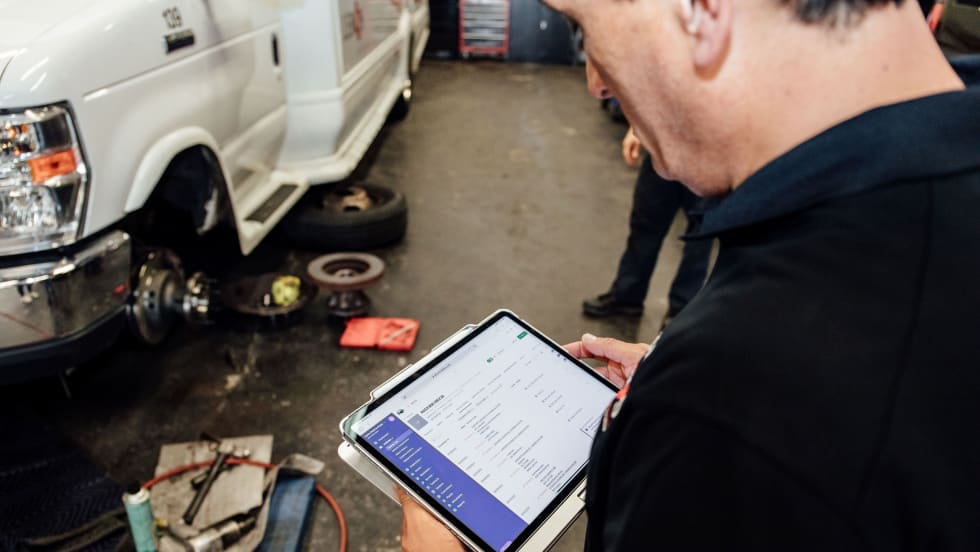
Reinventing Fleet Maintenance with Real-time Visibility and AI
Transit leaders need to know what needs fixing, where to look, who is responsible, when work is completed, and what it costs without having to chase information across disconnected systems.
Read More →
SamTrans Sets Priorities for Potential Connect Bay Area Revenue
The board-approved framework allocates future funding to maintaining service, rider improvements, equity initiatives, and infrastructure repairs.
Read More →
When Routine Fails: How Public Transit Must Adapt for the World Cup
The 2026 FIFA World Cup will test transit agencies’ ability to manage unpredictable travel patterns, making real-time data and operational flexibility critical to moving millions of visitors efficiently.
Read More →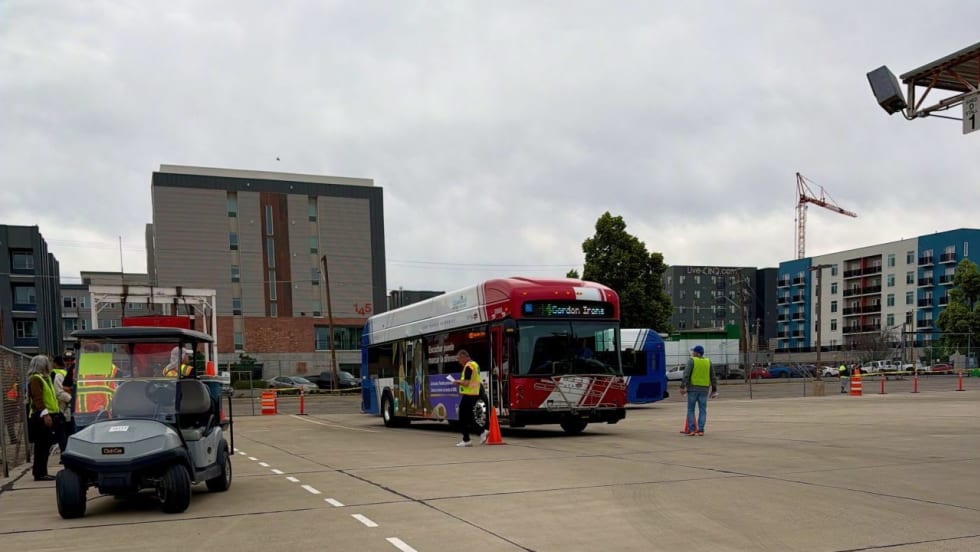
Photo Highlights from APTA's 2026 Mobility Conference
The photo gallery captures scenes from the conference, including the International Bus Roadeo, exhibit hall activities, the Bus Showcase, and much more.
Read More →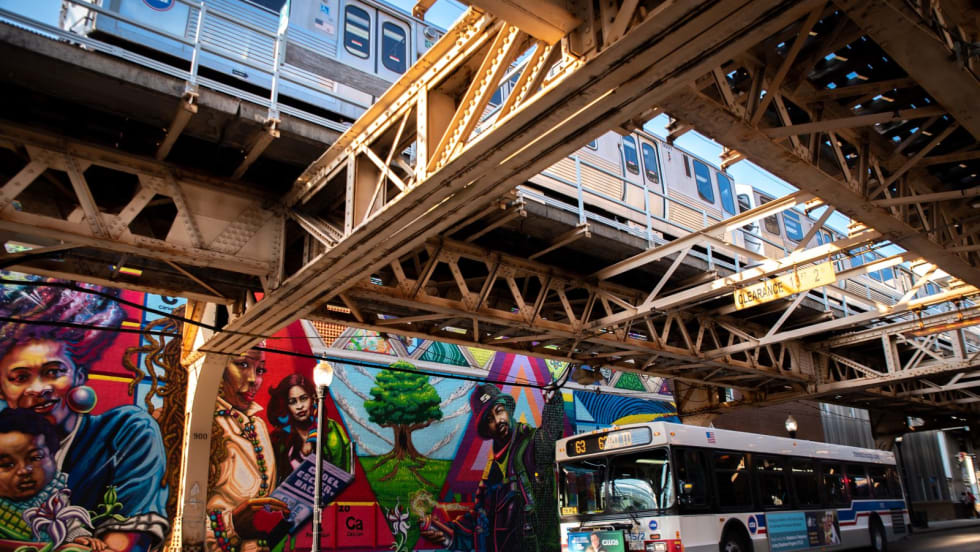
Chicago's NITA Act Moves Into Next Phase as Service Improvements Begin
Rider-focused improvements will begin rolling out across the system immediately as CTA, Metra, and Pace increase service this summer in the six-county region.
Read More →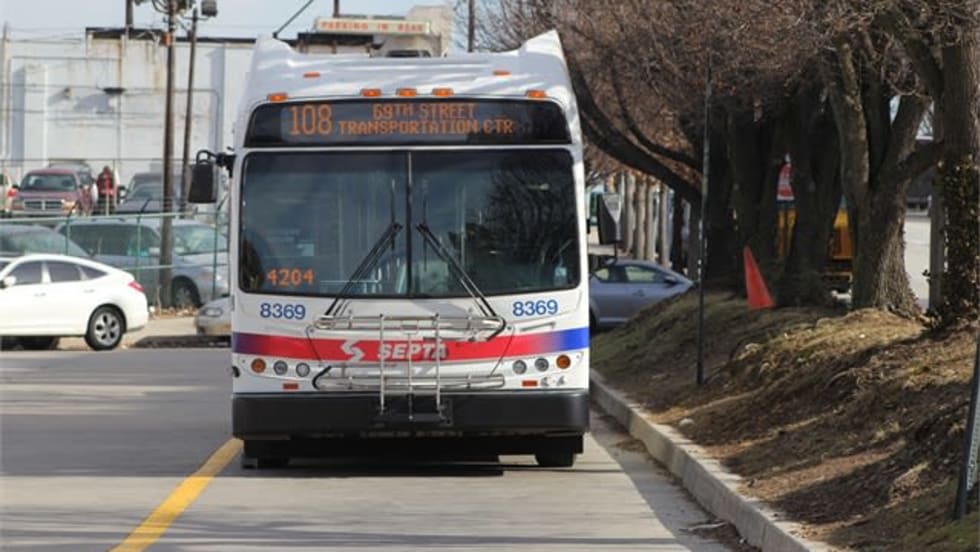
Philadelphia's SEPTA Approves Annual Transit Service Plan
Between 2021 and 2024, SEPTA held more than 200 public meetings — including 144 in-person sessions — throughout the SEPTA service region.
Read More →
A True Low-Floor Minibus Design Delivers Better Accessibility and Efficiency for Everyone
As transit demands evolve, so should your fleet. Download the whitepaper to see how the Low-Floor Frontrunner Minibus compares to traditional options.
Read More →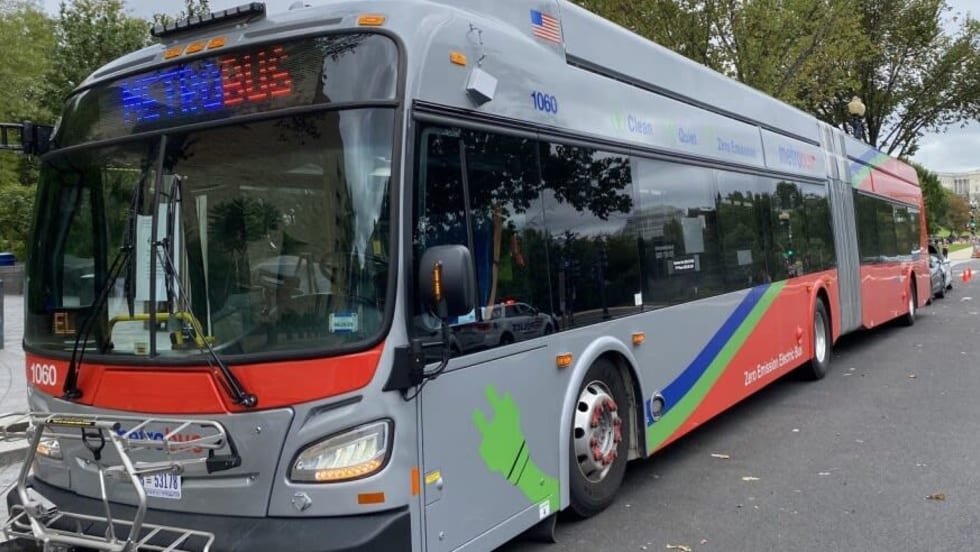
WMATA Debuts 'Fares Pay for Service' Awareness Campaign
The campaign was highlighted during a media event at the Paul S. Sarbanes Transit Center in Silver Spring, where WMATA’s GM/CEO Randy Clarke joined Metro Transit Police officers, WMATA management team, board members, and staff to expand fare enforcement and customer education efforts on Metro Bus routes throughout the region.
Read More →