



Montreal transit app rewards riders with personalized offers
The STMMerci app uses precision marketing to provide local event and product offers exclusive to transit riders based on their preferences and locations.


In Montreal, riders will soon see even more benefits to riding public transit through an app that provides not only trip planning but also deals on local events and products.
Software and technology company SAP worked with Societe de transport de Montreal (STM) to create STMMerci. The app uses precision marketing to provide offers exclusive to transit riders based on their preferences and locations, Herve Pluche, project manager, SAP, explained.
“As you walk around the city, we’re rewarding you depending on how much you use public transit,” Pierre Bourbonniere, director of marketing, STM, added. “We [provide offers] that are relevant to you as an individual. We have 68 subway stations and 250 bus lines, but we’ll talk to you about yours specifically.”
Before working at STM, Bourbonniere worked on loyalty programs such as Air Canada’s frequent flyer program. He was tasked with creating a simple loyalty program with instant gratification for riders using the system’s OPUS fare card.
STM enrolled 340 merchants and 1,000 event partners ranging in size throughout the city and suburbs of Montreal in the system. Partners include the Opera de Montreal, coffee shop and drug store chains, taxi companies and a number of grocery stores. Similar to selling advertising in subway stations and on buses, STM will monetize the service by offering it for a fee to merchants to reach consumers through the app.
STM asked its partners for three levels of offers to reward riders based on how often they use transit. For example, a top-tier offer would be a 50% discount on a product, 30% off for the second tier, and a 10% to 15% discount for the third tier. The system automatically selects STM’s best customers.
When accepting the offer, the rider receives a unique bar code to use to claim it. If the first 50 most frequent riders haven’t accepted the “top-tier” offer, it moves on to the next 50.
The app also recognizes the location the rider has traveled to and sends them offers at stores and for events in that area.
Since the pilot launched in May, STM and SAP tracked how many consumers downloaded and used the app, as well as the offers redeemed, from a representative sample of 20,000 consumers, Pluchet said. The agency is shifting from this experiment to a full-scale market since that phase of the pilot was successful. Anyone can now download the app and participate in the pilot. STM plans to open it up to 2.5 million OPUS card users in early 2014.
So far, click-through rates are higher than anticipated.
“With mobile, personalized, context-aware interaction, rates go up to 67%; two out of three consumers that have received information will take an action,” Pluche said.
While privacy was a concern in implementing the project due to regulations that don’t allow the transit system to keep non-critical information collected from customers, Bourbonniere said that by working with SAP, STM found a solution.
The agency put the critical information for riders they are allowed to collect, such as first names, purchases and trips, in a database. Any non-critical information the agency is not allowed to keep, such as last names and purchasing preferences, goes into the cloud. It only comes together to provide offers, Bourbonniere explained.
Despite privacy being a potential issue, more than one-half of participating consumers went through the entire personalization process, which consists of a five-page online questionnaire, to increase the quality and relevance of the offers they get.
Riders can also download the app and opt out of providing information and get offers that have a decreased level of personalization and relevance, Pluchet said.
Users also get rewarded with better offers through a game in the app that is based on how frequently they use public transit, giving them the chance to “save trees,” Bourbonniere explained.
STM plans to add mobile payment and ticketing early next year.
More Management
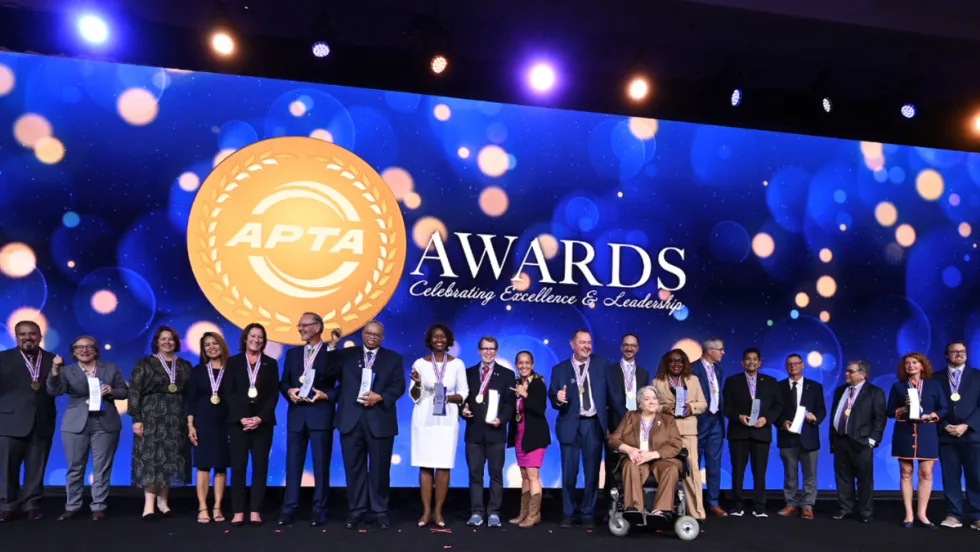
APTA Honors 2026 Award Winners, Hall of Fame Inductees at TRANSform & EXPO
Innovations in autonomous and zero-emission transportation, standout transit systems, and industry leadership took center stage among this year's honorees.
Read More →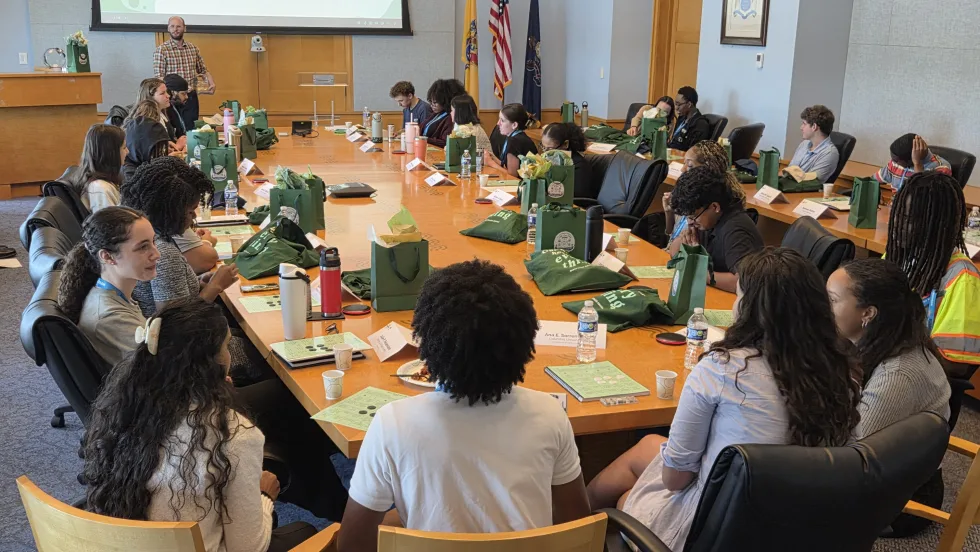
7 Ways to Build a Better Transit Internship Program
Lessons from DRPA/PATCO’s approach to creating a meaningful internship experience—and developing the next generation of transportation professionals.
Read More →
Scenes from APTA TRANSform & EXPO 2026
Transit leaders, manufacturers, and industry professionals gathered in Chicago to explore new technologies, share ideas, and discuss the future of public transportation.
Read More →
Building Stronger Leaders, More Resilient Transit Teams
Dr. Carol Parker Walsh discusses leadership development, employee retention, workplace culture, and preparing transit’s workforce for AI and automation.
Read More →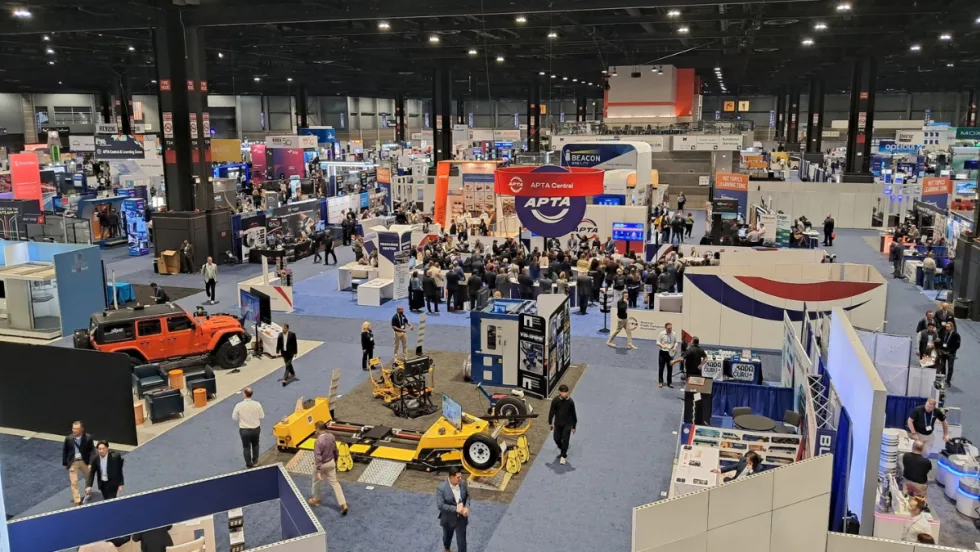
APTA 2026 TRANSform & EXPO Kicks Off in Chicago
After 45 years, APTA returns to Chicago with a focus on next-generation fleets, AI, connected transit networks, and the funding strategies shaping public transportation’s future.
Read More →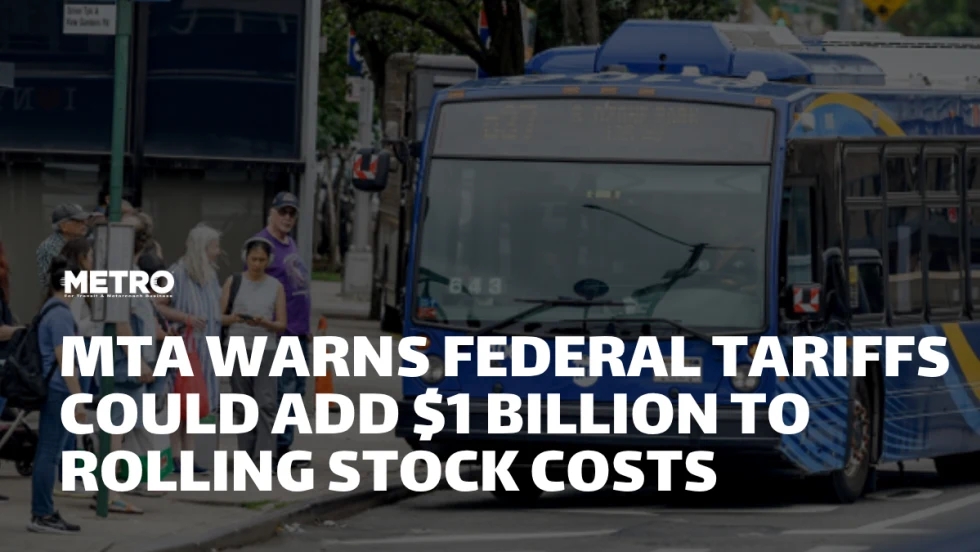
New York MTA Warns Federal Tariffs Could Add $1 Billion to Rolling Stock Costs
The agency said tariffs on specialized imported components could reduce the purchasing power of its $23 billion investment in new subway cars, railcars, and buses.
Read More →
From the Show Floor: What Happened at APTA TRANSform & EXPO 2026
See the latest product launches, partnerships, technology updates, and transit industry announcements from APTA TRANSform & EXPO in Chicago.
Read More →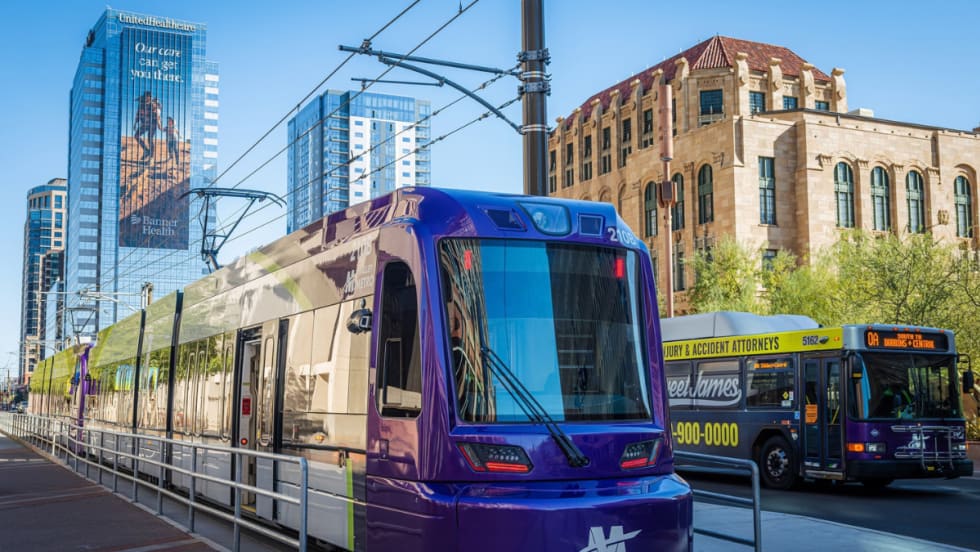
How Valley Metro Is Balancing Transit Growth With the Rider Experience
The APTA award-winning agency is pairing rapid system expansion with investments in workforce, safety, technology, and the fundamentals of transit service.
Read More →
Bus Tech Talk: Keeping Transit Technicians Ahead of the Technology Curve
In this episode of Bus Tech Talk, Complete Coach Works’ Business Development Manager Mark Hollenbeck and METRO’s Executive Editor Alex Roman sit down with Obed Mejia, Senior Technical Trainer for Bus Maintenance, at LA Metro to discuss how rapidly evolving bus technology is changing the maintenance shop — and the skills technicians need to keep pace.
Read More →
Michael Schneider Joins Paslay Group to Expand Transportation Practice
The longtime transportation executive will help Paslay Group grow its advisory and program management work across transit, highway, and other infrastructure sectors.
Read More →