



Sportworks Launches Bicycle Transport Solution for Microtransit
Accommodating the Growing Demand for Bicycles on Transit
Here are best practices for transit operators to keep up with the ever-increasing demand and changing requirements for transporting bikes on transit.
by April Johnson
July 11, 2022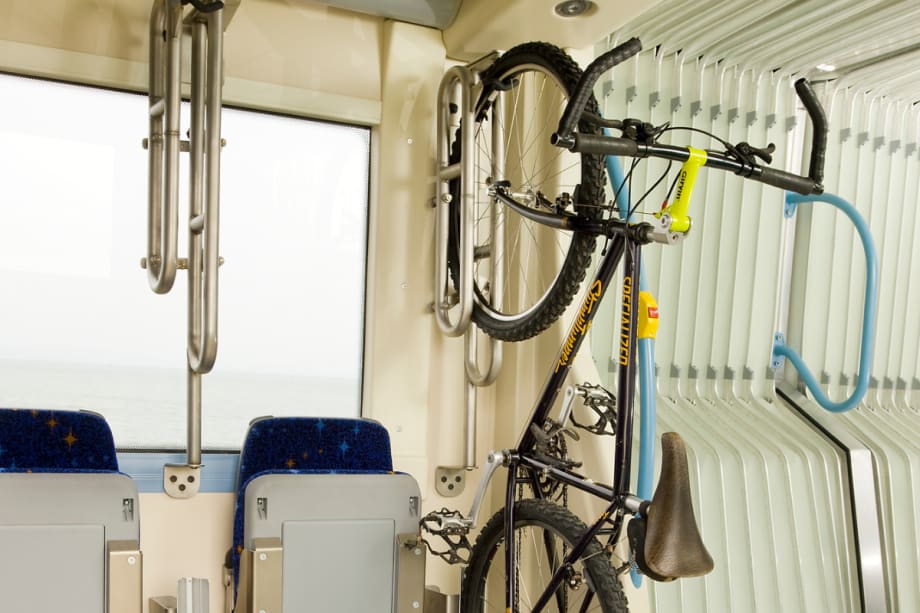
The trends are clear: more transit riders are bringing their bikes along for the ride as they adopt active transportation as the preferred method for the first and last mile.
Photo: Sportworks
4 min to read
As bicycles increase in popularity and become a prominent aspect of mobility ecosystems, the variety of bicycles too, is changing. Bikes are getting heavier, tires are getting wider, and as more cyclists adopt models tailored to the urban environment, riders are increasingly sensitive to damage and theft. How can transit operators keep up with ever-increasing demand and changing requirements for transporting bikes on transit? We have compiled some considerations and best practices to help incorporate a first-class bike transport program:
Consider capacity, and interior options
In recent months, we have had an increasing number of inquiries from transit agencies that need to add additional capacity. The trends are clear: more transit riders are bringing their bikes along for the ride as they adopt active transportation as the preferred method for the first and last mile. Be sure your solution is scalable, so you can upgrade as demand dictates. For example, look for an exterior rack design that allows an upgrade from a two-position to a three-position using the same hardware and pivot plate.
If transporting three bikes is not enough, consider adding interior transport options. Many riders prefer transporting their bicycle inside where they can keep a watchful eye, and keep it protected from the weather. For high-demand routes, some transit agencies are even swapping out seats for bicycles, creating capacity for a one-to-one ratio of bikes and riders. No matter how many bikes or riders you want to transport, there are many options that provide safe and secure retention of bicycles on-board.
Additionally, as paratransit buses are being re-assigned to microtransit service — vehicles previously not equipped with a bike rack now regularly require capacity for bike transport. If demand for bike transport on your microtransit service is low, a single-capacity non-stowing rack provides the easiest user experience.
Focus on intelligence and predictability
A simple and affordable upgrade can vastly enhance the experience of riders and improve planning. Adding a bike counter integrated with the APC or other on-board systems, riders can see the number of racks available, and transit agencies can log historical usage patterns for better planning and capacity deployment.
Providing this information gives riders the information they need to decide to wait for another bus with rack space available, ride to another stop or route, or park their bike and retrieve it upon their return.
Follow best practices for weight and size limits – to accommodate a wide range of bikes
Through the trending introduction of e-bikes and urban bikes, bicycles are increasing in weight. Be sure that the bike rack on your bus can safely handle the load. The newest generation of exterior racks can support bicycles that weigh up to 75 lbs., which is the current recommended standard to support a wide range of bikes. Older rack models typically are limited to about 55 lbs. We recommend posting these limits for riders — along with any special instructions your agency may have regarding e-bikes, removal of accessories, and other safety instructions.
Along with bigger and heavier bikes are wider tires and longer bike frames. Be sure your fleet is prepared now and, in the future, with a modular design that can support bikes with wide tires — often referred to as “fat bikes”. Best practice depends upon trends in your area, typically one fat-tire tray for every three positions will provide the versatility needed to accommodate a wide range of riders’ bikes. The fat bike trays should accommodate tires up to 5.5-inches wide.
Regardless of the size, weight, and type of bicycle on-board, safe securement and damage-free transport are critical. Be certain your bike rack solution properly retains the bike and doesn’t damage the frame, using a securement arm that directly contacts the tire.
Still can’t keep up with the number of bikes? Think about parking
When all transport capacity options are exhausted, accommodations for riders to park their bike before boarding is your best bet. Apply the same principles — safe and damage-free parking for bike parking facilities. Best practices for bike parking include U-lock compatible racks, securement that doesn’t damage or scratch the frame, and square or rectangular tubing, which is resistant to a common tool used for bike theft — pipe cutters. Traditional racks are preferrable over vanity racks that can be mistaken for art sculptures, and they typically retain the bicycle better and with less damage.
Get creative and don’t neglect indoor spaces or even vertical surfaces. Vertical racks are a great way to add dense bike parking to otherwise underutilized wall space. Even better: consider two-tier racks for indoor parking, which have the best density of any parking solution.
Don’t neglect other modes of transportation
While buses are undoubtedly the most common mode of public transit and therefore top of mind for bike transport, don’t neglect your other transit options. Island commuters or weekend riders who utilize ferry services need a spot to secure their bike. Streetcars and rail equipped with interior racks also encourage active, cost-effective, and climate friendly multimodal transit.
To make the most of your program, be sure to communicate often to riders about the accommodations that are available and be sure to let them know of any restrictions or specific instructions for use. Following these best practices will ensure that your bike transport program is successful now, and future-proof for the latest trends and growing demand.
April Johnson is VP, Sales and Marketing, at Sportworks
Subscribe to Our Newsletter
More New Mobility
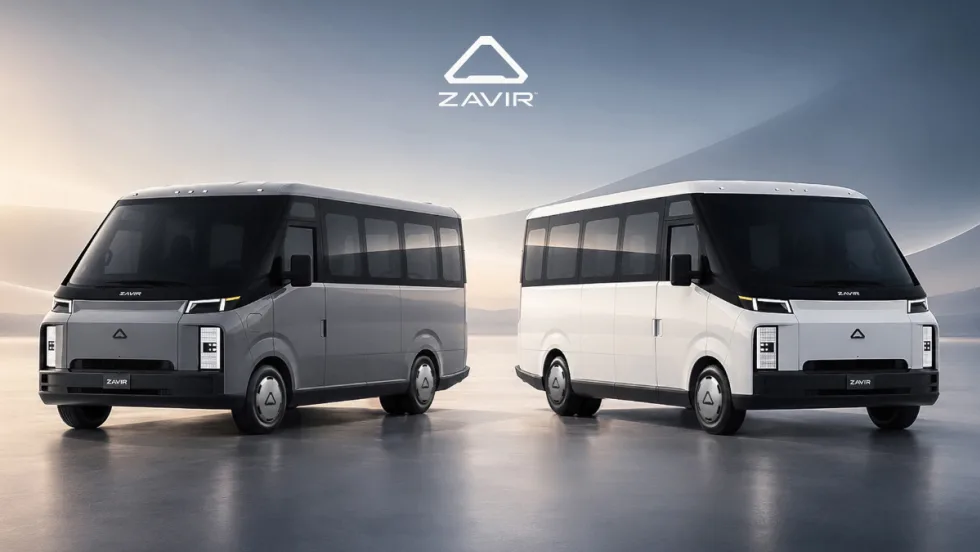
ENC Unveils ZAVIR Medium-Duty Electric Shuttle at APTA EXPO
The new ZAVIR brand targets shuttle and paratransit operations with battery-electric and range-extended electric vehicle options.
Read More →
Public Transit Conference Returning to GFX in 2027, Call for Papers Now Open
The Call for Papers is now open, allowing transit agency professionals and industry experts to help shape the PTC educational program by submitting session ideas for consideration.
Read More →
Everett Transit, Community Transit Outline Consolidation Agreement
The proposed agreement calls for a 50% increase in bus service in Everett, a new microtransit zone, continued paratransit service, and the transfer of Everett Transit operations to Community Transit.
Read More →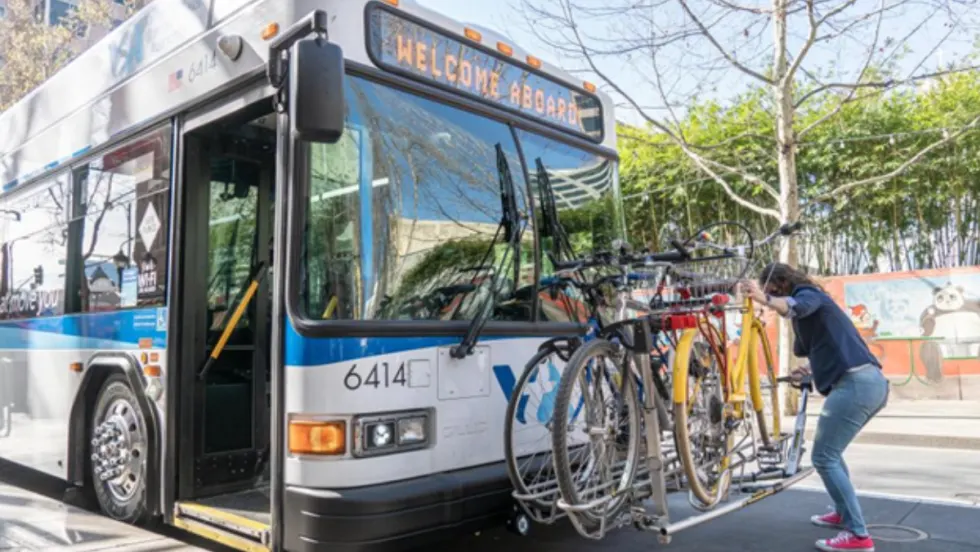
What Multimodal Data Can Tell Transit Agencies About Rider Demand
See how bike-on-bus data is giving transit agencies new insight into rider demand, capacity constraints, and gaps in first- and last-mile connections.
Read More →
From Hardware to Digital Partner: Luminator Charts Its Next Chapter
CEO Magnus Friberg discusses Luminator’s shift toward becoming a digital partner, the growing importance of software and interoperability, and how AI can help agencies improve operations and passenger experience.
Read More →
Biz Briefs: Alstom Lands Canadian Contract, LYT to Supply California TSP, and More
In METRO's latest installment, we take a look at recent news from Complete Coach Works, Beep, FlixBus, and more partnerships making headlines across the transportation sector.
Read More →
CharterUP’s Armir Harris on Technology, AI, and the Future of Group Mobility
In a recent episode of METROspectives, CharterUP Founder/CEO Armir Harris discussed the company’s evolution from an online charter bus marketplace into a technology platform supporting public- and private-sector mobility and much more.
Read More →
Jacksonville’s NAVI Project Charts a New Course for Autonomous Public Transportation
Through its NAVI program, JTA is showing how autonomous vehicles, intelligent infrastructure, and coordinated operations can work together to deliver everyday public transportation.
Read More →
Biz Briefs: Luminator Marks Milestone and More
From manufacturers and suppliers to transit agencies and motorcoach operators, these updates offer a snapshot of the projects, partnerships and business moves driving the industry forward.
Read More →
New Tricks for Old Bureaucracies: Joshua Schank on Making Transit Innovation Stick
Former LA Metro Chief Innovation Officer Joshua Schank discusses why good ideas aren't enough, how transit agencies can overcome resistance to change, and why today's challenges demand more innovation.
Read More →