




Read more: Transportation Secretary Urges Amtrak, WMATA Leaders to Improve Transportation Safety in D.C.
Caltrain Implements AI-Powered Crossings
Using AI, RailSentry provides alerts and data that help keep railroad crossings safe and reduce collisions by trains.
March 12, 2025
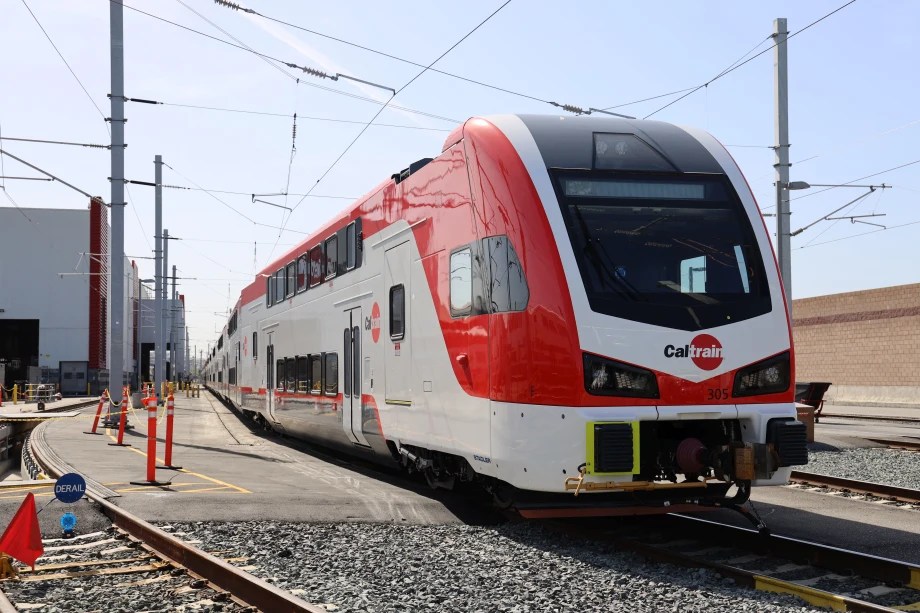
Caltrain is making crossings safer using data gathered by its new AI-powered monitoring system to identify other safety features that can be implemented.
Photo: Caltrain
2 min to read
Caltrain is implementing high-tech safety improvements at their crossings, with more safety installations coming this year.
The Churchill Avenue Crossing in Palo Alto is the next of Caltrain’s crossings to receive the new LiDAR and camera-based artificial intelligence (AI) solution, RailSentry. This technology, developed by Herzog, uses LiDAR and cameras to observe an area and alert railroad operations of lingering vehicles or other objects to mitigate collisions between trains and cars, people, or other objects.
Initial Success in Burlingame
The deployment of RailSentry follows the successful installation at the Broadway Crossing in Burlingame.
The AI-based learning software analyzes the information and alerts dispatchers and Transit Police to any detected potential hazard. The system’s data is also used to ensure that traffic control measures facilitate smooth traffic flow.
RailSentury has already made an impact, helping Caltrain demonstrate the effectiveness of installed safety improvements.
The company installed solar-powered markers at the Broadway Burlingame Crossing to clearly delineate road lines and prevent cars from turning too far onto the tracks in January. These markers are similar to existing markers at other pedestrian crossings and were installed after the replacement of railroad ties and upgraded concrete panels, which were geared toward providing a smoother crossing for drivers.
Prior to these enhancements at the Broadway Burlingame Crossing, one vehicle was removed from the tracks every three months. RailSentury’s technology revealed that three vehicles per week attempted to turn onto the tracks and ultimately left on their own.
Increased Safety at the Crossing
Since the installation of the markers, there have been zero attempts to turn onto the tracks. Caltrian receives regular alerts when vehicles rest on the tracks for longer than expected, providing them with warnings to alert trains if necessary properly.
Additional information provided by RailSentury has allowed for better signal pre-emption times and traffic control.
The crossings will receive additional safety enhancements throughout the course of the year, including updating paint striping, redoing pavement markings, moving signal stop bars, installing new signage, and placing flexible reflective delineator posts to reduce speeds and help drivers safely navigate the intersection.
Caltrain has also worked with technology providers to improve navigation instructions around tracks to prevent cars from getting stuck in the crossing.
“Safety is a core value at Caltrain that underlies everything we do,” said Michelle Bouchard, Caltrain Executive Director. “We are committed to delivering safety improvements that will make a difference for our riders and the people that cross our tracks every day.”
More Rail
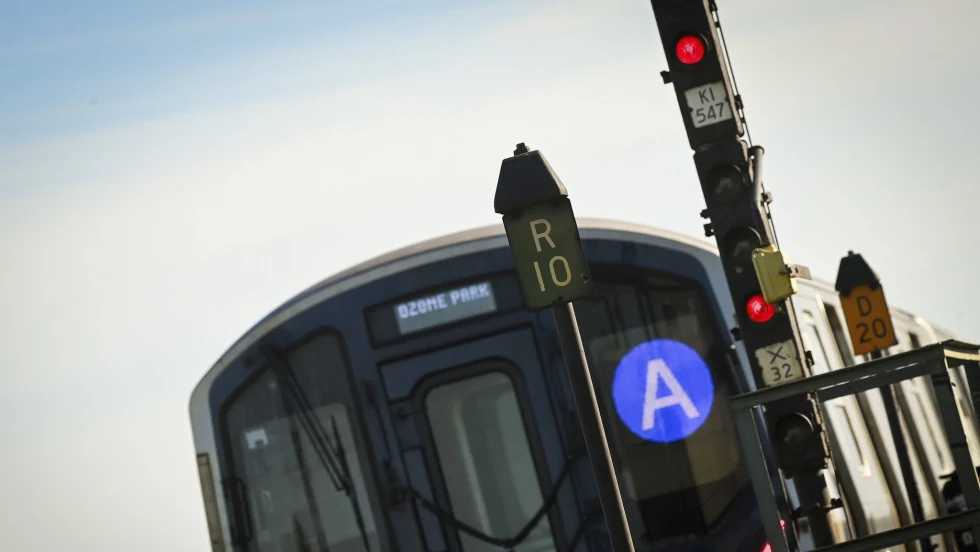
New York MTA Launches Historic $1.9B Signal, Track Modernization Project
Funded in part by congestion pricing revenue, the project will replace nearly century-old signals along the A and C lines in Brooklyn and Queens.
Read More →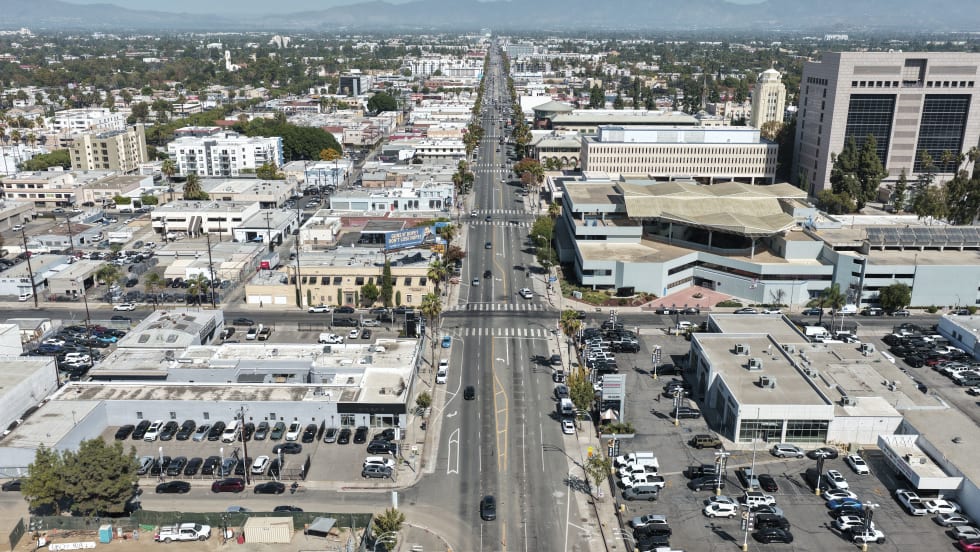
LA Metro Breaks Ground on East San Fernando Valley Light Rail Project
The 6.7-mile line will add 11 stations along Van Nuys Boulevard, expand access to jobs and regional transit connections, and support Metro’s broader efforts to improve mobility as rail ridership grows.
Read More →
CSA Group Releases Climate Resilience Standard for Transit, Passenger Rail
Developed with support from the Standards Council of Canada, CSA D700 guides assessing climate-related risks and planning adaptation measures for transit and passenger rail systems.
Read More →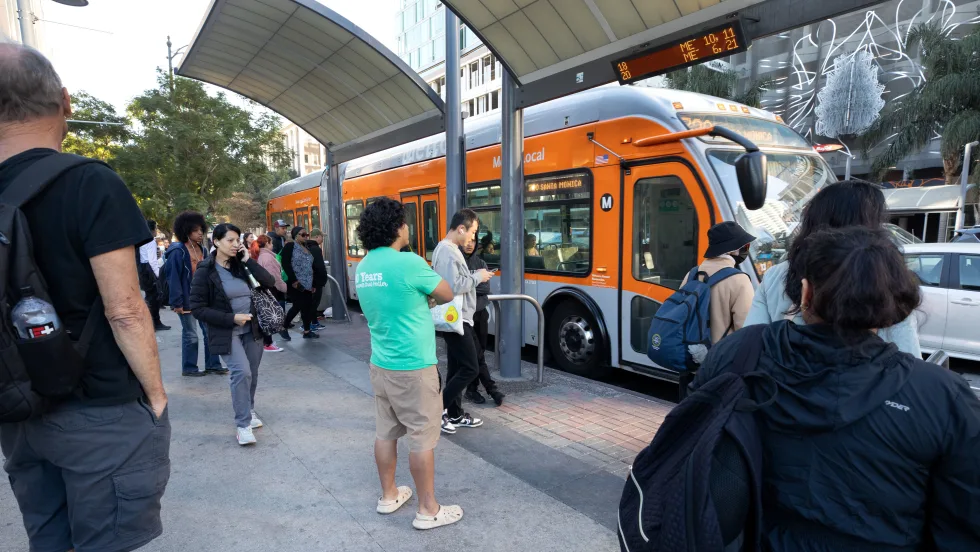
LA Metro September Ridership Climbs 3.9%, Led by Rail Growth
The agency recorded more than 27.2 million boardings, with rail ridership increasing 12.4% year over year and the D Line posting the largest gains.
Read More →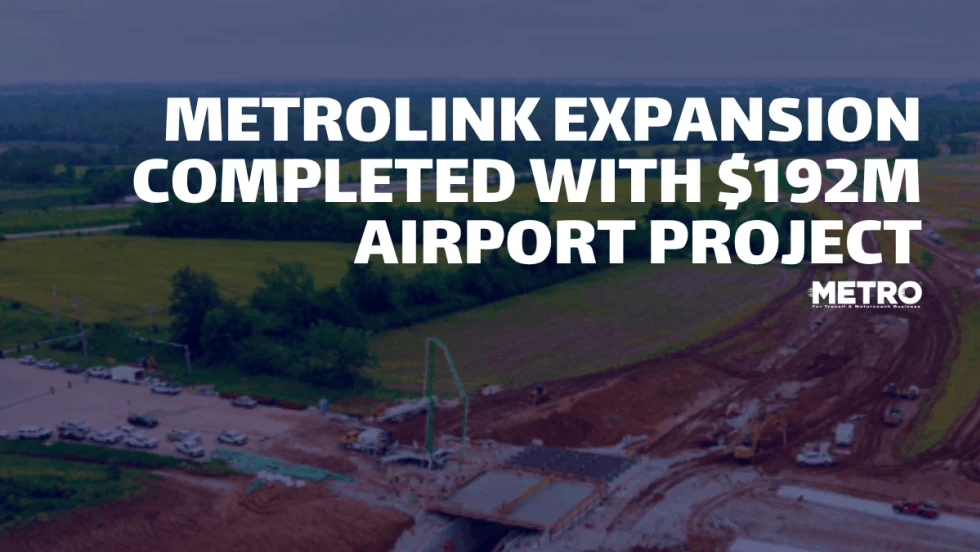
First Full MetroLink Rail Expansion Completed in 20 Years with $192M Airport Project
The project links two St. Louis-area airports by light rail while adding roadway and bike trail connections to improve regional access and mobility.
Read More →
Utilimarc Launches SmartReplace to Optimize Fleet Replacement Decisions
AI-powered SmartReplace helps fleets prioritize vehicle replacements, model budget scenarios, and build more defensible long-term strategies.
Read More →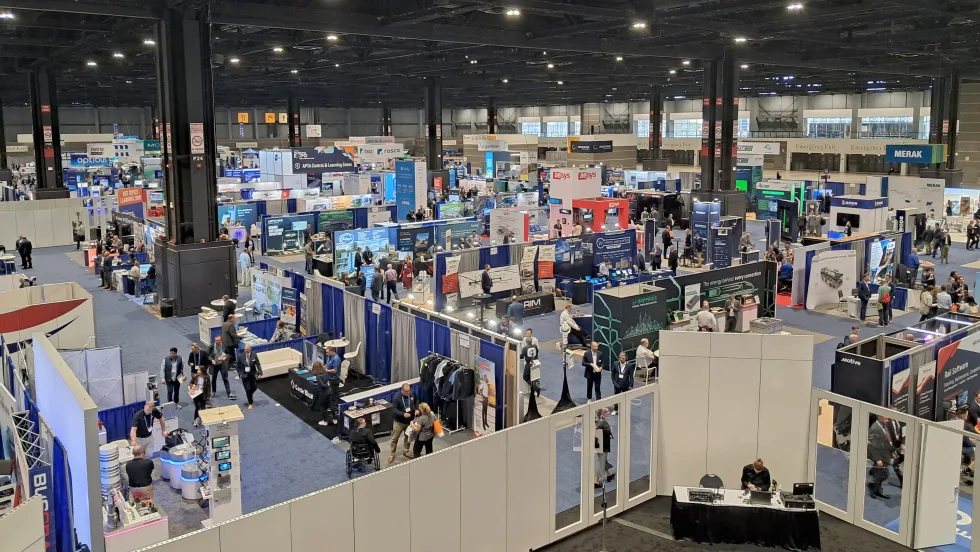
Scenes from APTA TRANSform & EXPO 2026
Transit leaders, manufacturers, and industry professionals gathered in Chicago to explore new technologies, share ideas, and discuss the future of public transportation.
Read More →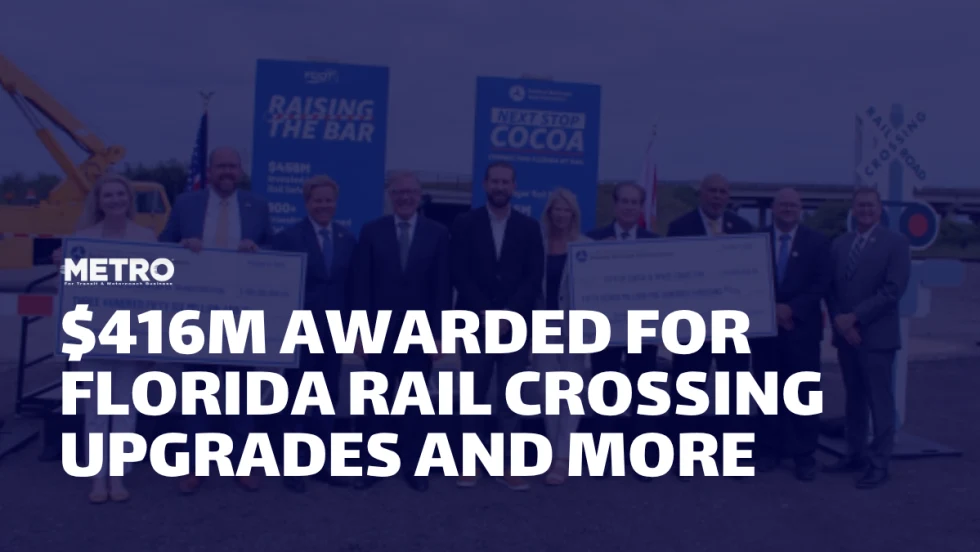
USDOT Awards $416 Million for Florida Rail Crossing Safety Upgrades, New Brightline Station
The projects aim to reduce risks for motorists and pedestrians at rail crossings while expanding passenger rail access along Florida’s Space Coast.
Read More →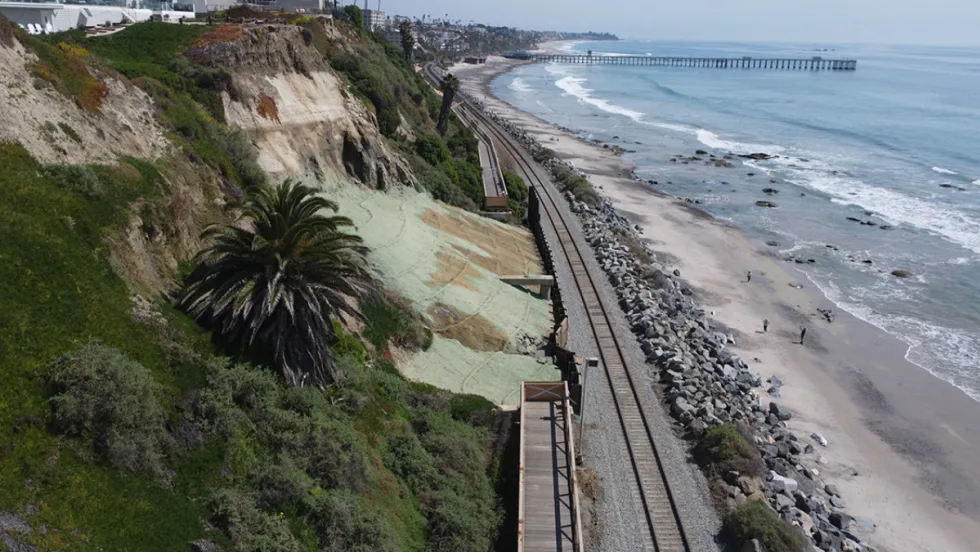
OCTA Declares Emergency to Protect Rail Corridor From Coastal Erosion
The California agency is accelerating shoreline protection and plans to place approximately 690,000 cubic yards of sand along the San Clemente coast to protect a key passenger and freight rail link.
Read More →
More Than a Summer Job: Building the Next Generation of Transit Talent
The Delaware River Port Authority and PATCO have transformed their internship program into a hands-on professional development experience that introduces students to the breadth of transportation careers — and creates a pipeline for future employees.
Read More →