




Looking Back: Maryland maglev project garners local chambers of commerce support
Federal Railroad Administration Cancels Grant Funds for Maryland’s SCMAGLEV Rail Project
Approximately $26 million in grants were pulled from the project, citing delays, cost overruns, and unresolvable federal agency impacts.
August 1, 2025
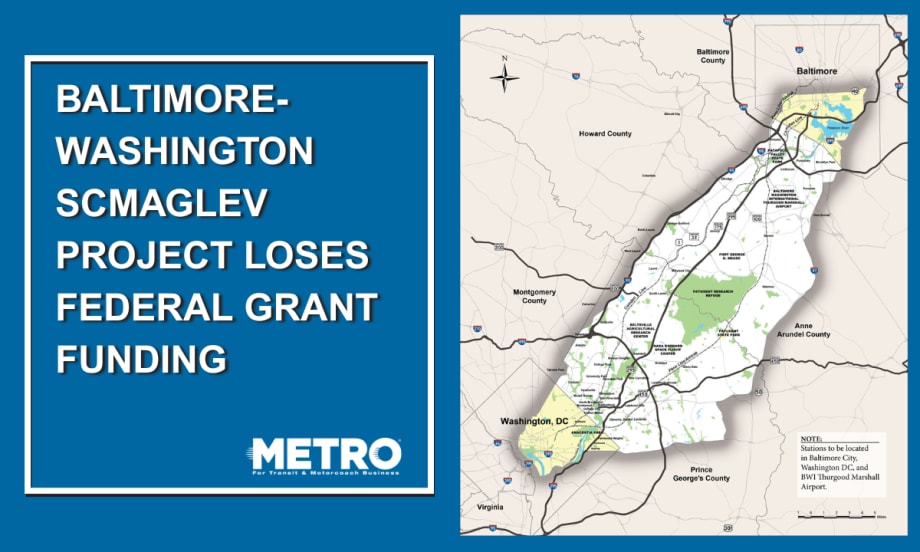
The Federal Railroad Administration's involvement in the SCMAGLEV project began in 2016, but ongoing delays and cost overruns led to multiple pauses in the environmental review process.
Photo: Baltimore-Washington Superconducting Magnetic Levitation Project / METRO
2 min to read
After nearly a decade of planning, the U.S. Department of Transportation Secretary Sean P. Duffy recently announced that the Federal Railroad Administration (FRA) will cancel two grants totaling over $26 million for the Baltimore-Washington Superconducting Magnetic Levitation (SCMAGLEV) Project.
The SCMAGLEV Project was proposed as a high-speed rail project using superconducting magnetic levitation technology between Baltimore, Maryland, and Washington, D.C. The estimated capital cost to build this project is nearly $20 billion.
According to a USDOT release, the FRA’s involvement in the project dates back to 2016, but the project has experienced numerous delays and cost overruns. Since the grant was obligated in 2015, the environmental review process has been paused twice on the Federal Permitting Dashboard. It remained on pause from August 2021 until August 1, 2025.
As part of its analysis, FRA determined the project would result in significant, unresolvable impacts to federal agencies and federal property, including national security agencies.
Government agencies harmed by this project would have included: the National Security Agency, U.S. Department of Defense, Fort George G. Meade, National Aeronautics and Space Administration, U.S Department of Agriculture, U.S. Secret Service, U.S. Department of Interior – Fish and Wildlife Service, National Park Service, and the U.S. Department of Labor.
“This project did not have the means to go the distance, and I can’t in good conscience keep taxpayers on the hook for it,” Duffy said. “We’ll continue to look for exciting opportunities to fund the future of transportation and encourage innovation.”
According to the release, rescission of the NOI does not prevent the future deployment of MAGLEV technology in the U.S.
More Rail
MBTA Selects STV to Support Battery-Electric Locomotive Procurement
The firm's seven-year contract includes end-to-end support from bid review and selection through procurement, production, and testing.
Read More →
Executive Order Aims to Improve Transit Access Across California
The order directs state agencies to streamline transit project delivery, improve coordination, and expand access to bus and passenger rail services across California.
Read More →
California High-Speed Rail Advances Merced–Madera Construction Procurement
The procurement represents a major expansion of active high-speed rail construction.
Read More →
Amtrak Finalizes Pre-Development Agreement for Penn Station Overhaul
The agreement advances plans for a $7 billion to $8 billion transformation of New York's busiest transit hub, with construction expected to begin by the end of 2027.
Read More →
New York MTA Leverages Zoning Program to Advance Station Accessibility
Accessibility enhancements at Nevins St Station will be financed through a development agreement tied to the MTA's Zoning for Accessibility initiative.
Read More →
Virginia's $28.5B Transportation Plan Targets Transit and Rail
Approved by the Commonwealth Transportation Board, the program supports ongoing infrastructure projects while providing new investments in transit, state of good repair and transportation alternatives.
Read More →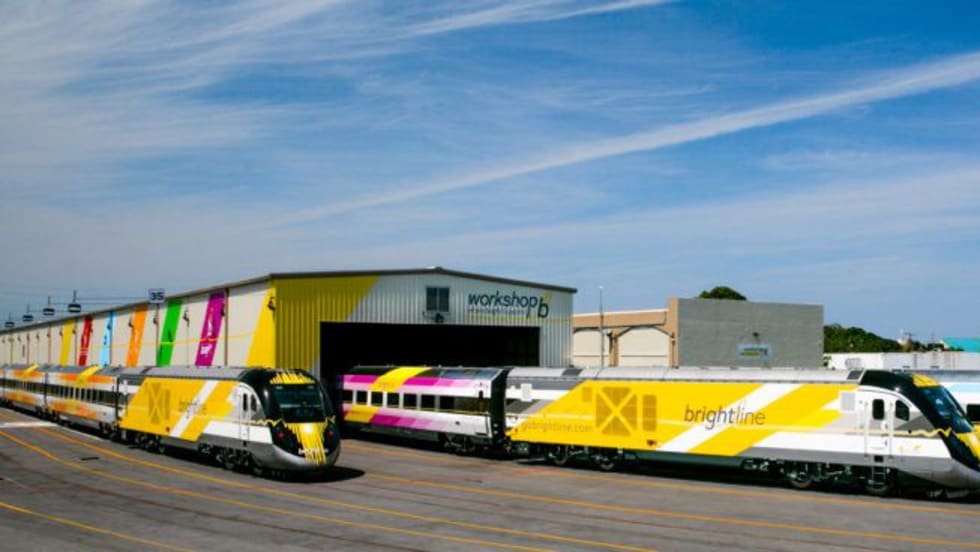
DOT: Brightline Corridor Incidents Fall 30% Following Federal Safety Upgrades
Safety improvements funded through a $25 million federal investment are credited with reducing trespassing and train-vehicle collisions along the Brightline Florida corridor.
Read More →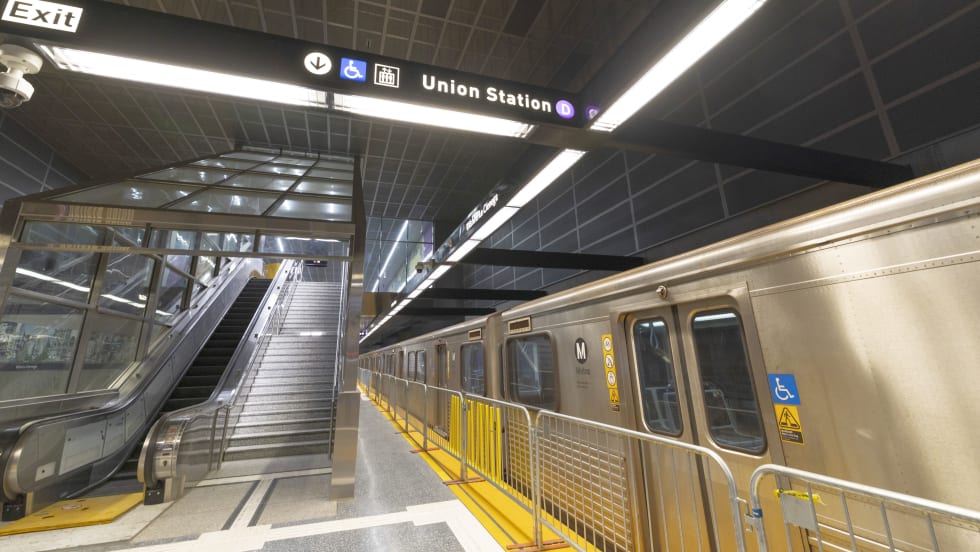
D Line Expansion Fuels Growth Across LA Metro's Rail System
Weekend rail ridership was especially strong, soaring 18% as riders embraced expanded access to jobs, entertainment, dining, and cultural destinations, said the agency. Total system ridership for May, including bus and rail, was 26,966,657.
Read More →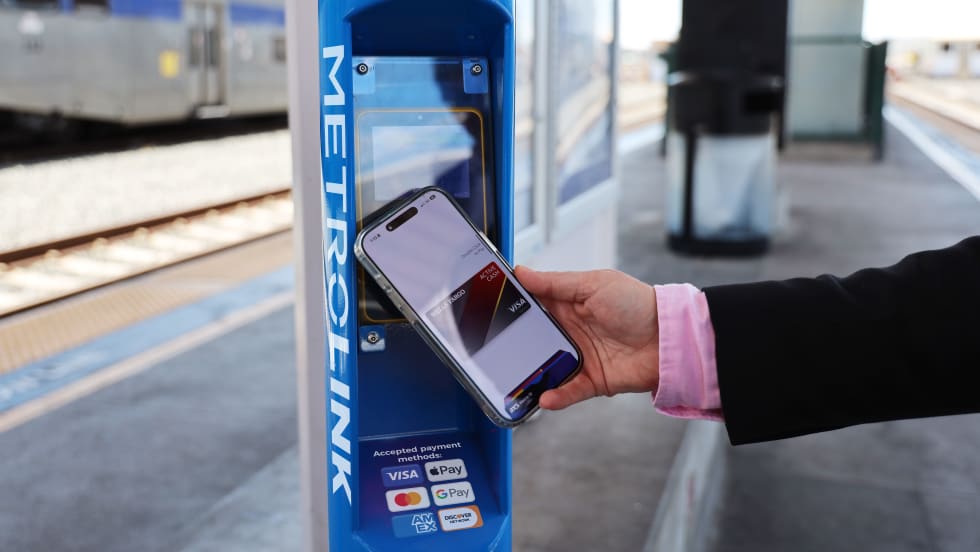
Southern California's Metrolink Debuts Contactless Fare Payment Pilot
Customers traveling between Redlands and Los Angeles can now tap their preferred payment method, including a credit or debit card, mobile wallet, or wearable device, at station validators before boarding and again while exiting.
Read More →
California's BART Approves FY27 Budget While Maintaining Service Levels
The budget covers July 1, 2026, through June 30, 2027, a period when pandemic emergency funds run out, the District faces a structural deficit of $375 million, and a regional transit funding measure may appear on the November ballot.
Read More →