



New York MTA Launches Historic $1.9B Signal, Track Modernization Project
Funded in part by congestion pricing revenue, the project will replace nearly century-old signals along the A and C lines in Brooklyn and Queens.

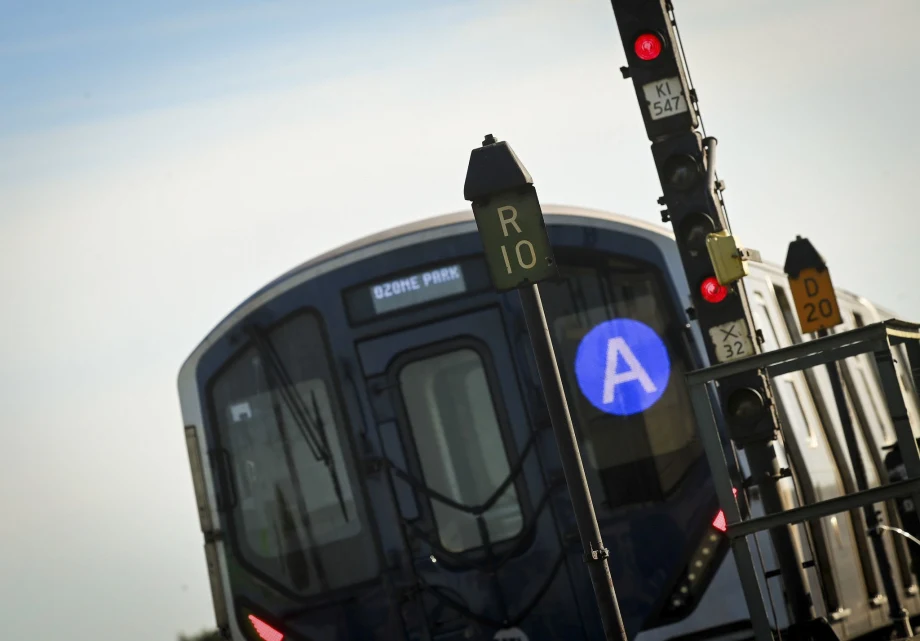
The project spans 42 track miles along the Fulton and Liberty lines and will replace the subway system's oldest remaining signal equipment. The work will cover 23 stations serving 350,000 riders each weekday.
Marc A. Hermann
- The New York Metropolitan Transportation Authority (MTA) has initiated a $1.9 billion project to modernize the signal and track systems.
- This project aims to replace nearly century-old signals on the A and C subway lines in Brooklyn and Queens.
- Funding for the modernization comes partly from revenue generated by congestion pricing initiatives.
*Summarized by AI
The New York Metropolitan Transportation Authority (MTA) announced the start of the largest signal and track replacement project in its history. The $1.9 billion investment, funded in part by congestion pricing revenue, will modernize A and C subway service in Brooklyn and Queens by replacing signals dating back to the 1930s with modern Communications-Based Train Control (CBTC) technology.
The modern signal system lets trains run faster and closer together safely, enabling more frequent, reliable subway service, according to officials.
“Upgrading nearly 100-year-old signals does more than just modernize infrastructure that is long overdue — it is a critical part of our plan to run better and more frequent subway service, shortening waits and slashing delays,” said New York Governor Kathy Hochul. “When this project is done, hundreds of thousands of A and C train riders will benefit from the world-class service on new, modern trains that New Yorkers deserve.”
MTA’s Signaling Project
The project spans 42 track miles along the Fulton and Liberty lines and will replace the subway system's oldest remaining signal equipment. The work will cover 23 stations serving 350,000 riders each weekday.
The project corridor connects to seven other subway lines, 36 bus routes, and the Long Island Rail Road. Across their full routes, the A and C serve 750,000 riders each weekday.
The work builds on other CBTC investments serving A and C riders along Eighth Avenue between 59 St in Manhattan and High St in Brooklyn. Congestion pricing funds make it possible to modernize signals across nearly 85 miles of the subway system.
Governor Hochul's successful funding of the MTA’s 2025–2029 Capital Plan provides an additional $5.4 billion to modernize signals across more than 75 miles.
“Signal issues are the number one cause of subway delays — no surprise considering the ancient relics we’ve been using to direct train traffic,” said MTA Chair/CEO Janno Lieber. “Thanks to this almost $2 billion project — the largest of its kind in MTA history — we are going to be able to run more A and C trains faster, safer, and more reliably than ever before.”
Delivering More Reliable Service
Signal issues are the leading cause of subway delays, MTA officials said. Much of the system still relies on aging equipment with components that are no longer commercially manufactured, making maintenance increasingly difficult and expensive.
The existing signal system divides tracks into fixed sections and identifies whether a train occupies each section. CBTC provides a more precise picture of train locations and speeds, allowing trains to operate closer together safely and supporting more frequent service. The modern equipment is also less expensive and easier to maintain.
CBTC is currently operating across the full 7 and L lines, as well as portions of the E, F, M, and R routes on the Queens Boulevard and Culver lines. Following signal modernization, on-time performance on the7 line jumped from 68% to 91%. On the E line in Queens, train speeds increased by approximately 10% following CBTC activation.
For the Fulton-Liberty signal modernization project, the MTA will use an approach that's been shown to reduce signal modernization costs per mile by 33% compared with the average for prior CBTC projects. Officials said the MTA achieved this by shifting to a design‑build contracting model that transfers much of the project risk to contractors.
Additionally, the MTA's new strategy for these projects focuses solely on installing state‑of‑the‑art Communications‑Based Train Control technology, foregoing the costly maintenance of legacy signaling during the transition, reducing the need for expensive equipment along the tracks, and maximizing scheduled service outages.
The first phase will focus on replacing aging switches and more than 250 feet of specialized track between 104 St and 99 St in Queens.
The project will also include infrastructure to support future cell service for riders and work to keep existing infrastructure in a state of good repair. The contract for the project was awarded to L.K. Comstock & Railworks in December 2025. Completion is expected in the second quarter of 2032.
Quick Answers
The project is focused on modernizing signals and tracks, replacing nearly century-old signals along the A and C lines in Brooklyn and Queens.
*Summarized by AI
More Rail
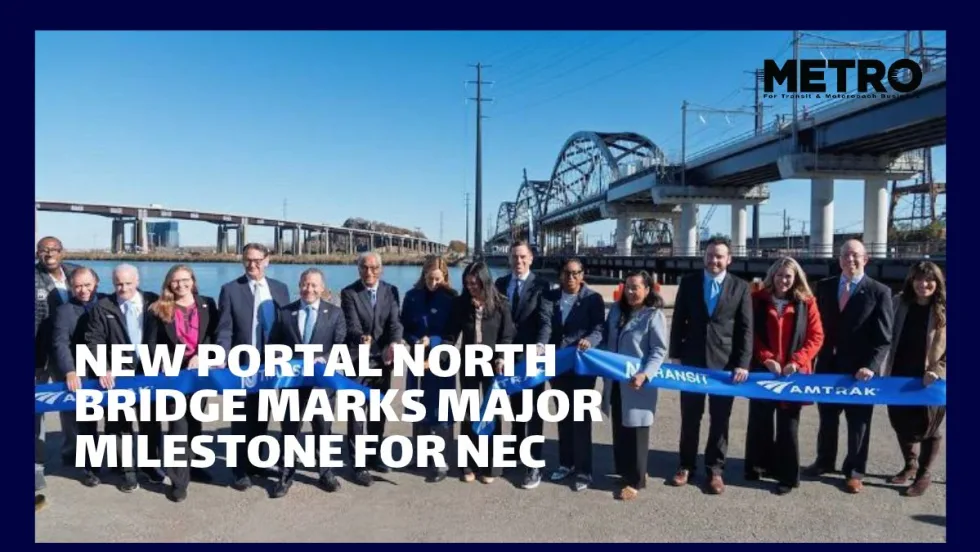
Amtrak, NJ TRANSIT Launch Full Service on New Portal North Bridge
The completion of the two-track bridge over the Hackensack River eliminates a longstanding source of delays for NJ TRANSIT and Amtrak customers. It marks a major milestone for the Gateway Program.
Read More →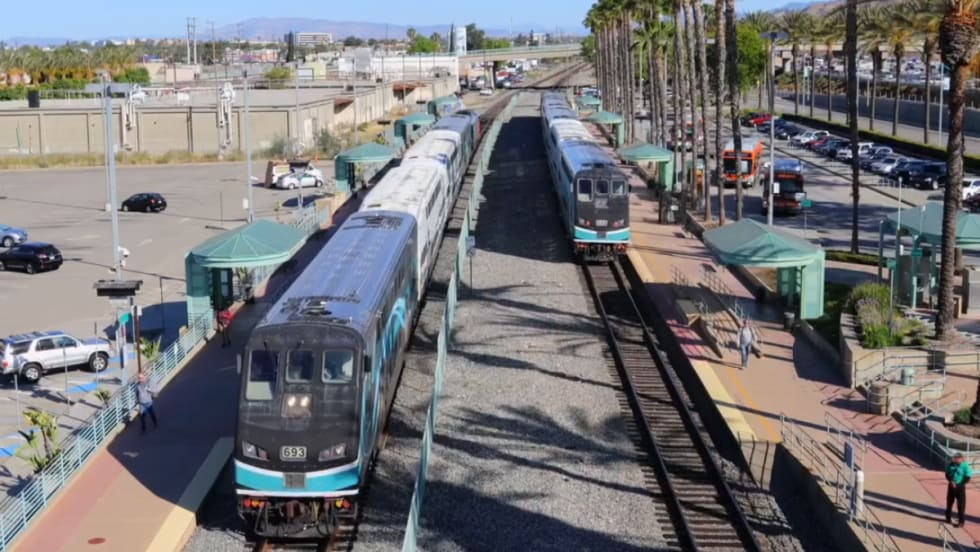
Southern California’s Metrolink Approves $508.8M Budget, Avoids Service Cuts
A $20 million state allocation allows the regional rail agency to maintain existing weekday and weekend service through fiscal year 2028, although longer-term funding challenges remain.
Read More →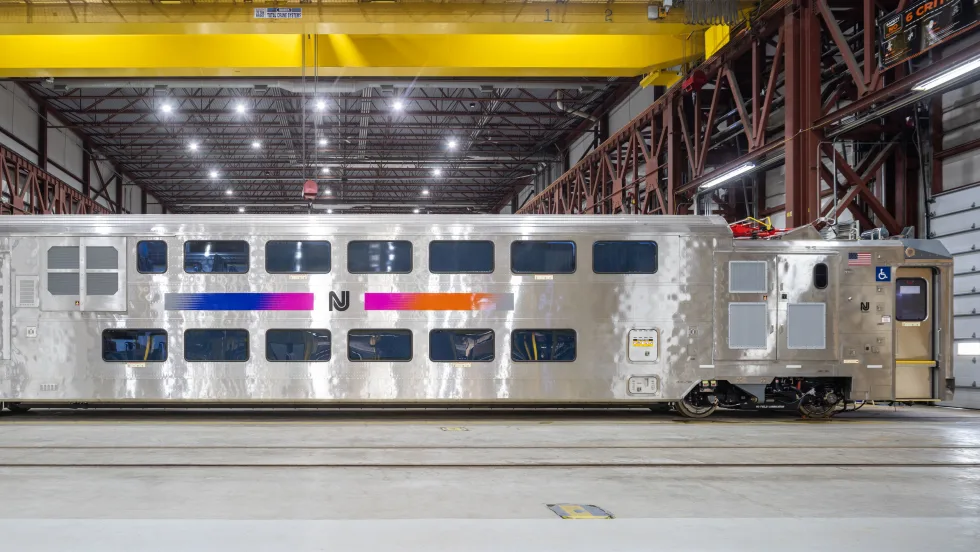
NJ TRANSIT Approves $65.6M for Hudson-Bergen Light Rail Improvements
The funding marks the first phase of a planned $250 million investment over five years to modernize stations, overhaul vehicles, and improve system reliability and passenger safety.
Read More →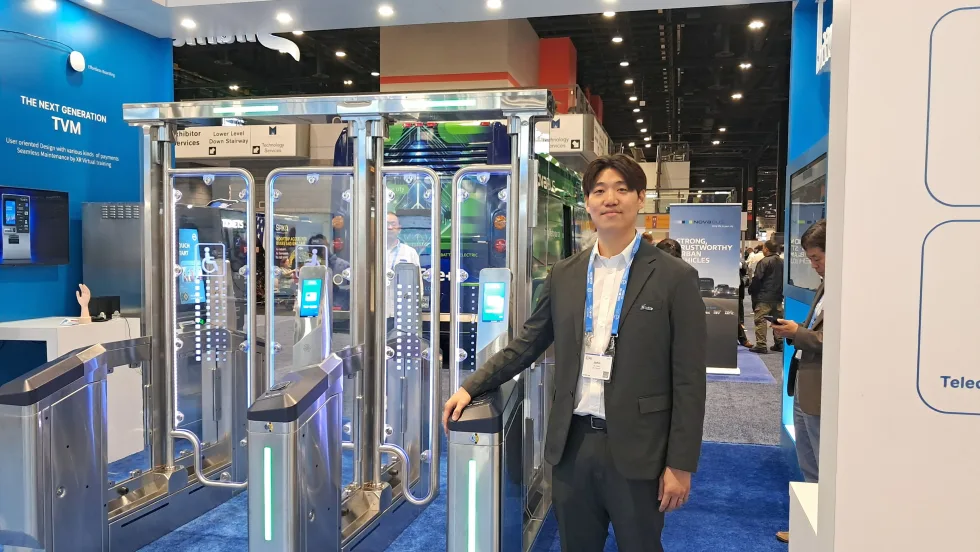
STraffic Expands North American Presence with Fare Collection Technology
John Moon, Associate Director, Product Strategy at STraffic, discusses the company's growth in North America, its efforts to reduce fare evasion, and more.
Read More →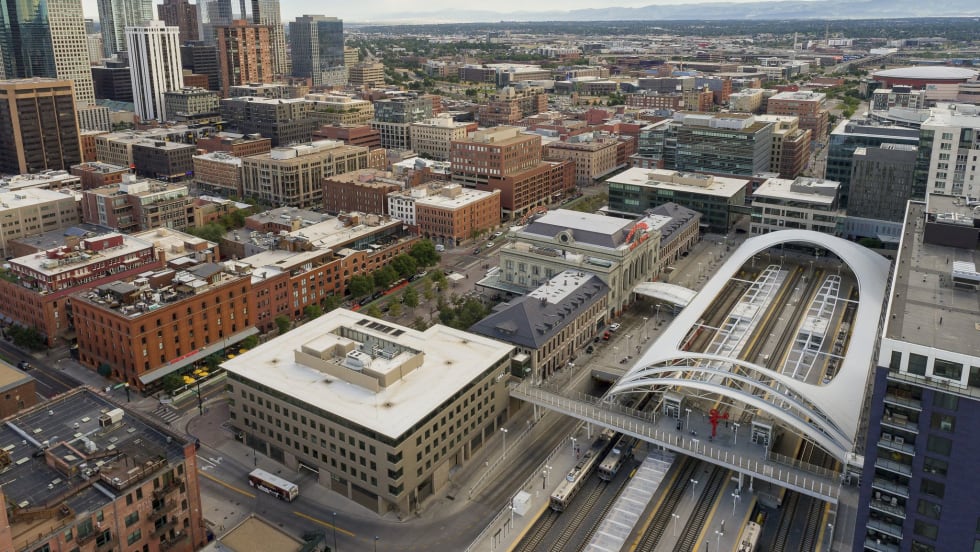
Study: Denver RTD Generates $2.1 Billion in Annual Economic Activity
An economic impact study finds the agency supports approximately 17,500 jobs, delivers $1.6 billion in annual community and mobility benefits, and generates $2.42 in economic value for every dollar invested.
Read More →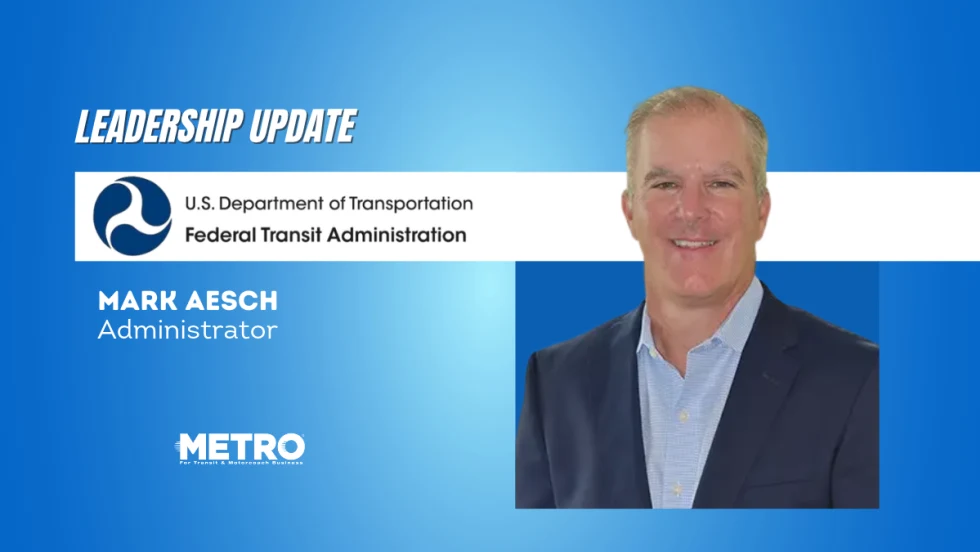
Mark Aesch Nominated to Lead Federal Transit Administration
The former Rochester transit chief and TransPro founder, who has also contributed to METRO Magazine, brings decades of industry experience and a focus on performance, accountability, and financial sustainability to the nomination.
Read More →
Transit Expands Agency Partnerships, Reaching 200 Official App Partners
COO Jake Sion discusses Transit’s growth, the success of its Transit Royale program, and how technology is helping agencies improve the rider experience.
Read More →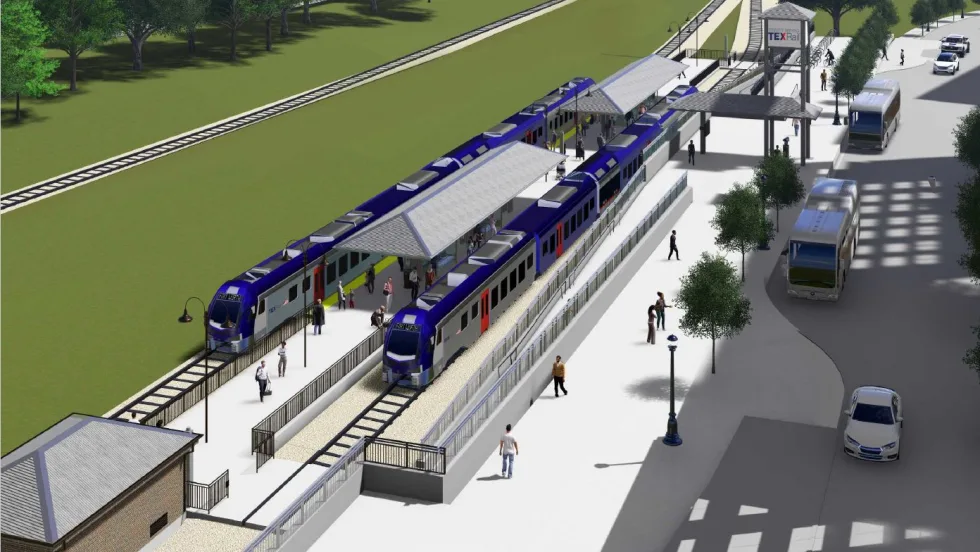
Trinity Metro Breaks Ground on $270M TEXRail Extension
The 2.1-mile extension will connect Fort Worth’s Medical District and Near Southside to downtown, surrounding communities, and Dallas-Fort Worth International Airport.
Read More →
Bringing Austin’s First Light Rail System to Life
Austin Transit Partnership CEO Greg Canally discusses the city's nearly 10-mile light rail project, its collaborative approach to project delivery, the importance of community engagement, and the milestones ahead as construction approaches in 2027.
Read More →
Metra Draft Plan Outlines Costs, Service Improvements for Regional Rail
The Systemwide Network Plan identifies infrastructure needs and potential investments to expand all-day, bidirectional rail service across the Chicago region.
Read More →