




ICYMI: North Carolina’s CATS Celebrates 50 Years of Public Transit
North Carolina CATS Approves Fare Modernization, Fare Ambassadors Programs
The initiatives will introduce new payment options, fare capping, and rider education as the Charlotte transit agency looks to simplify fares and improve the customer experience.
June 29, 2026
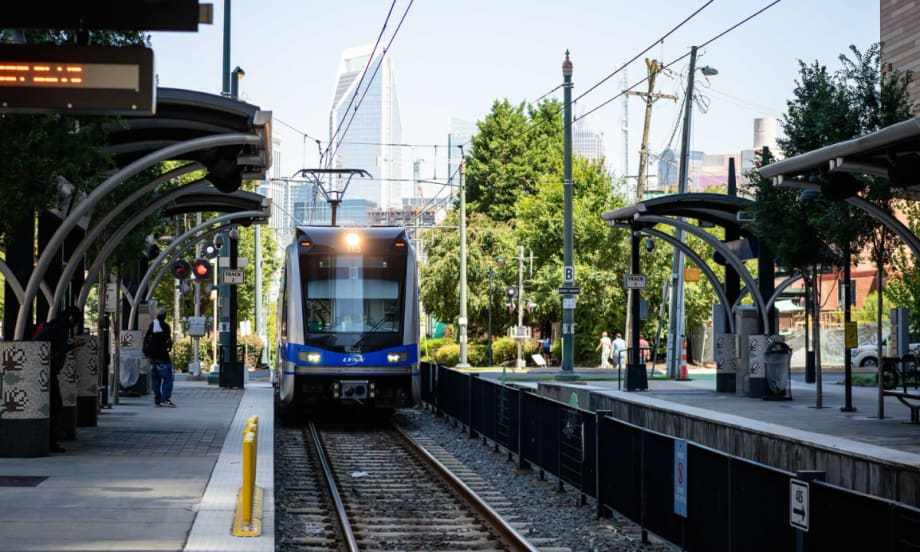
CATS expects the implementation of both fare modernization and ambassador programs to take 12 to 18 months.
Credit:
Charlotte Area Transit System
2 min to read
- The Charlotte transit agency has approved new payment options to simplify fares.
- Fare capping will be introduced as part of the modernization initiative.
- Rider education programs will be implemented to enhance the customer experience.
*Summarized by AI
Recently, the Metropolitan Transit Commission, the Metropolitan Public Transportation Authority, and the Charlotte City Council authorized the Charlotte Area Transit System (CATS) to implement its Fare Modernization and Fare Ambassadors programs.
According to an agency release, these planned fare system improvements will allow CATS to modernize, simplify, and grow ridership while ensuring a “convenient and secure transit experience for every transit customer.”
Fare modernization will introduce new ways to pay for a ride. New electronic ticket validators will be added to light rail platforms and onboard buses and streetcars, allowing CATS to monitor ridership trends for service planning and manage fare compliance.
Fare modernization will simplify the fare payment process for riders by expanding available CATS fare capping and consolidating several existing fare products into a single pay-as-you-go system. Riders will automatically receive daily, weekly, and monthly fare caps rather than having to determine which product or pass best meets their service needs. Pay-as-you-go is marketed as a flexible way for riders to receive the benefits of unlimited daily, weekly, or monthly passes through fare capping, without purchasing in advance.
Additional benefits of the fare modernization program include:
- Online account management to load value, check balance, view account history, and track progress towards fare caps.
- Free transfers within a two-hour window for fares paid with the CATS-Pass app, contactless credit/debit card, or smart card.
- Simplification of fare structure through reduction of the number of fare media and products.
- Expanded network of locations to purchase fare products and reload funds to registered accounts across the entire CATS service area.
- Expansion of reduced-fare eligibility and simplification of the approval process.
CATS’ new fare ambassadors program, which launches later this Fall in partnership with Block by Block, will introduce a team of trained individuals tasked with conducting fare inspections, providing rider education and focusing on ways to reduce fare evasion.
"These improvements make riding CATS simpler, more convenient and more customer-focused,” said Elizabeth Presutti, chief administration officer at CATS. “Fare modernization and fare ambassadors will help us enhance the customer experience, ensuring all members of our community have a way to ride while supporting future system growth.”
CATS expects the implementation of both programs to take 12 to 18 months. Additional fare modernization information is available on the program’s website.
More Management
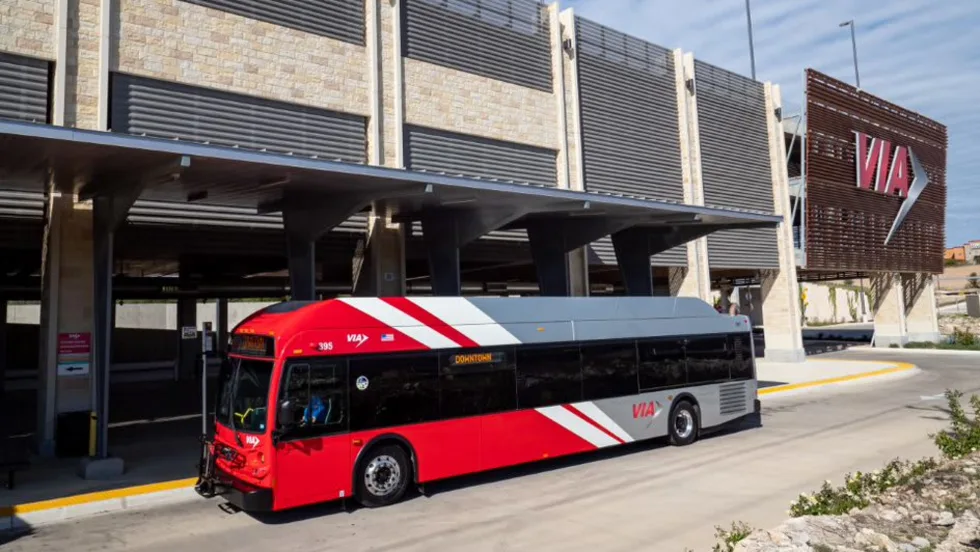
VIA, MBTA Reach Pre-Pandemic Ridership Milestones as Transit Use Climbs
VIA surpasses three million monthly trips for the first time since 2020, while the MBTA tops one million average weekday trips as both agencies report continued ridership growth.

People Movement: Metrolink's Kettle Announces Retirement, Feakins to CEO at UZURV, and More
In this edition, we also cover recent appointments and announcements at King County Metro, SilverRide, and more, showcasing the individuals helping to shape the future of transportation.
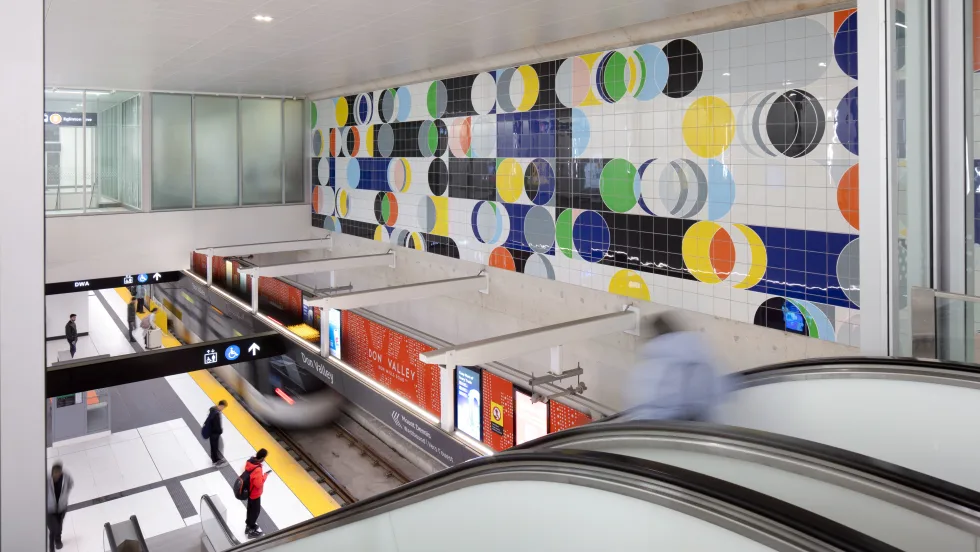
How Gen Z's Changing Mobility Habits Are Reshaping Public Transit
As younger generations embrace multimodal mobility over private vehicles, transit agencies can rethink station design, the passenger experience, and public transportation's role in building connected communities.
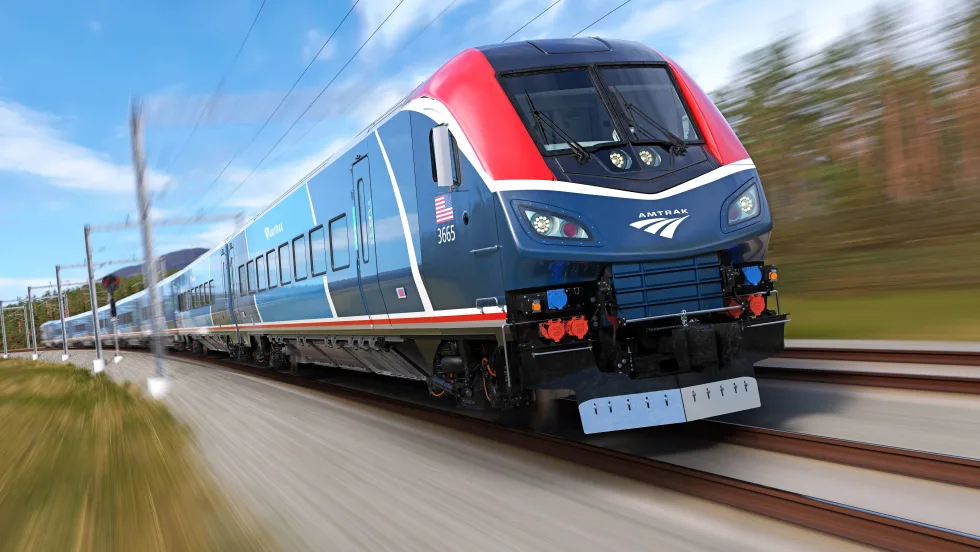
Amtrak Expands Airo Fleet with Eight Higher-Capacity Trainsets
The new 10-car trains, expected to enter service in 2031, will provide about 34% more seating capacity to meet growing demand on the Northeast Corridor.

APTA Urges FTA to Withdraw Proposed Capital Investment Grants Guidance
The association warns that proposed changes could delay transit projects, reduce federal funding, and create new hurdles for 47 projects currently in the CIG pipeline.

Amtrak, NJ TRANSIT Launch Full Service on New Portal North Bridge
The completion of the two-track bridge over the Hackensack River eliminates a longstanding source of delays for NJ TRANSIT and Amtrak customers. It marks a major milestone for the Gateway Program.
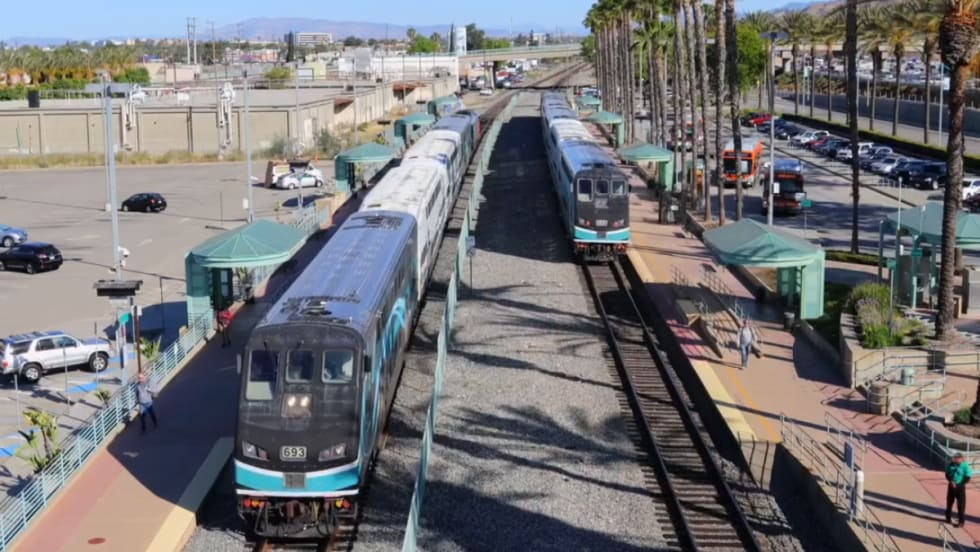
Southern California’s Metrolink Approves $508.8M Budget, Avoids Service Cuts
A $20 million state allocation allows the regional rail agency to maintain existing weekday and weekend service through fiscal year 2028, although longer-term funding challenges remain.
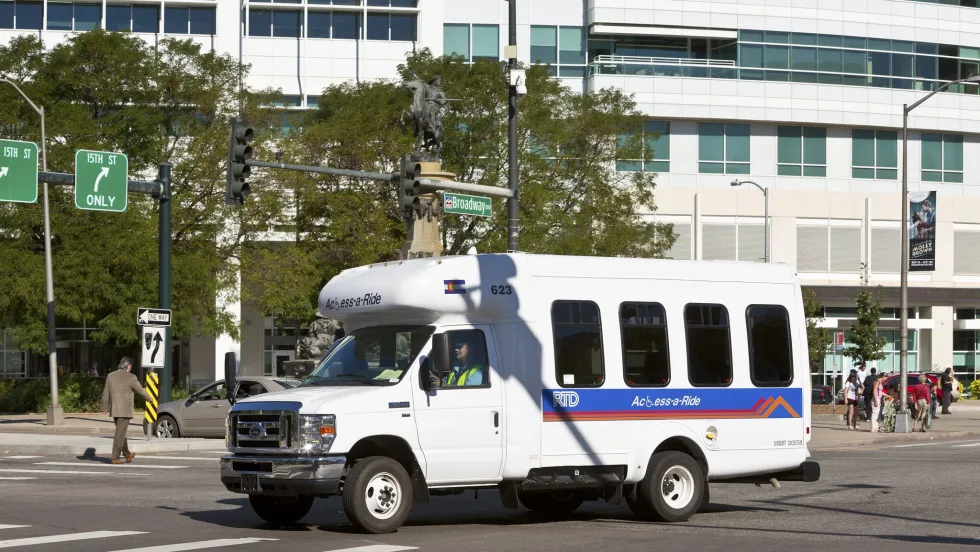
Denver RTD Committee to Review Paratransit Services, Improve Accessibility
The committee will oversee an independent study of paratransit operations, gather customer feedback, and recommend improvements to service reliability, accessibility, and accountability.

Castro to Lead RTC of Southern Nevada and More in People Movement
In this edition, we also cover recent appointments and announcements at the STV, MCI, and more, showcasing the individuals helping to shape the future of transportation.
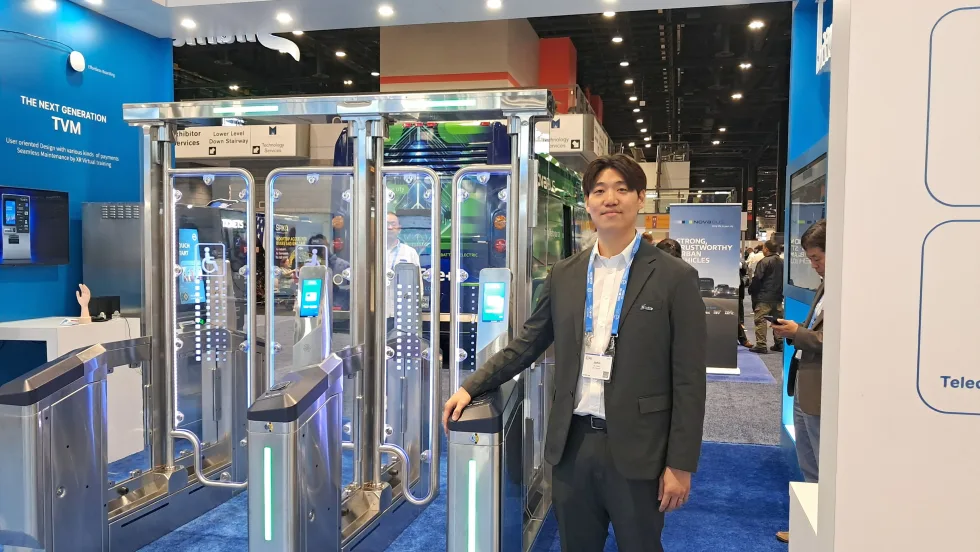
STraffic Expands North American Presence with Fare Collection Technology
John Moon, Associate Director, Product Strategy at STraffic, discusses the company's growth in North America, its efforts to reduce fare evasion, and more.