Proposed Auto Insurance Reform Would Save New York’s MTA Millions Annually
The governor’s proposed auto insurance reforms could save the agency $48 million annually by limiting payouts in crashes where buses are not primarily at fault.
The MTA’s analysis also found that these reforms would generate additional annual savings of up to $25 million for the more than 130 transit agencies in New York that operate outside the MTA region.
Credit:
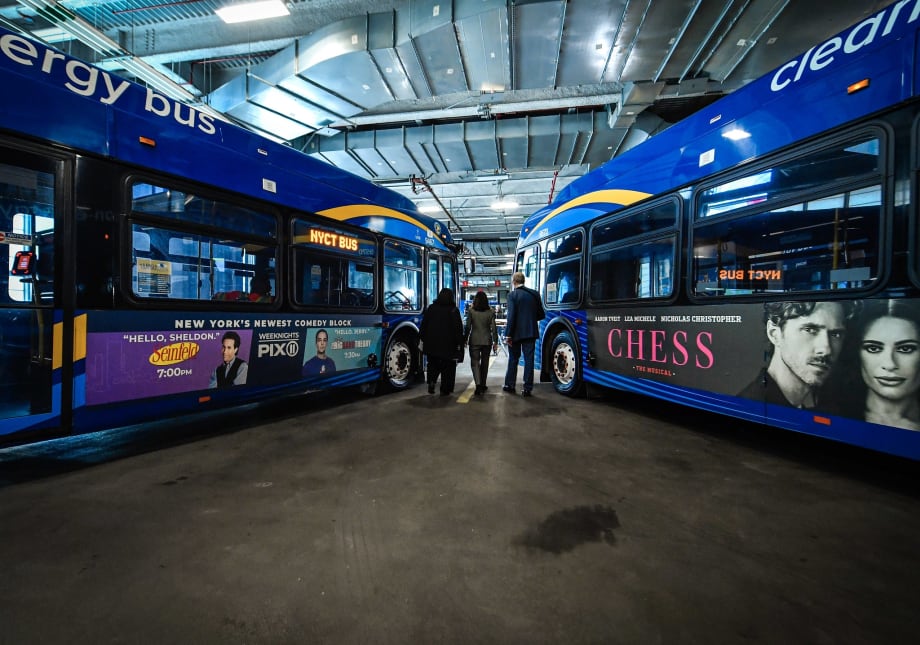
Marc A. Hermann/MTA
3 min to read
A recent analysis by the Metropolitan Transportation Authority (MTA) shows that New York Governor Kathy Hochul’s proposal to lower auto insurance costs would deliver $48 million in annual recurring savings for the agency.
Hochul’s plan will prevent the MTA from being forced to pay “jackpot” settlements for crashes in which its buses were not primarily at fault.
Ad Loading...
“For too long, our transit agencies have been used as a deep pocket for jackpot settlements, forced to make huge payouts even when their buses aren’t at fault for a collision,” Governor Hochul said. “If our common sense reforms get passed in this year’s budget, we will produce tens of millions of dollars in annual savings, all of which can go right back to running the better, more frequent transit service that every New Yorker deserves.”
MTA leadership also announced that all funds saved through these reforms, an estimated $48 million annually, over time will be available to invest in operating subways, buses, and railroads.
The MTA’s analysis also found that these reforms would generate additional annual savings of up to $25 million for the more than 130 transit agencies in New York that operate outside the MTA region. According to an MTA release, these agencies have a combined fleet of more than 3,000 buses and collectively carry hundreds of thousands of riders each day in urban, suburban, and rural communities across the state.
“The reform package modernizes New York’s approach to auto liability by limiting disproportionate responsibility for certain aspects of damage awards,” said MTA Chair and CEO Janno Lieber. “The MTA’s fleet of buses will no longer be an easy target for big payouts when another vehicle was the real cause of an accident.
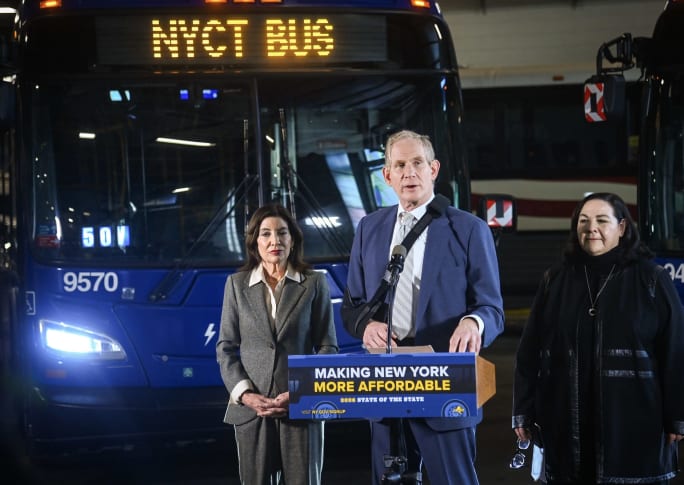
Governor Kathy Hochul (left), MTA Chair & CEO Janno Lieber (center), and NYS DOT Commissioner Marie Therese Dominguez (right) at the Mother Clara Hale Bus Depot on Friday, Mar 13, 2026, where they discuss reforms in auto insurance policies that would protect the MTA from “jackpot payouts” that divert funds from providing service.
Credit:
Marc A. Hermann/MTA
Supporting Transit Through Reduced Payouts
Governor Hochul’s insurance reform proposal includes the following key pieces:
Ad Loading...
Taking on fraud in the system by creating new legal liability for criminals orchestrating staged accidents and supporting police and prosecutors in building cases.
Preventing people from committing crimes or driving uninsured from landing jackpot payments beyond routine reimbursement for medical care or lost wages.
Ensuring those found at fault for an accident can’t sue their victims for compensation.
Better defining what actually constitutes a ‘serious injury’ so that damages for pain and suffering or emotional distress are reserved for those able to objectively demonstrate that they have suffered a serious injury.
Ensuring those minimally responsible for an accident aren’t the ones left unfairly holding the entire bag if delinquent parties fail to pay up.
Preventing insurance companies from pocketing savings achieved by reforms by requiring excess profits above a reasonable threshold to be sent back to policy-holders, and that insurers justify every rate increase directly to consumers and state regulators.
Requiring insurers to offer mandatory technology discounts that incentivize safe driving.
Together, these changes aim to reduce windfall payouts that do not reflect actual responsibility, returning more resources to transit functions and to long-term system improvements.
“The reforms proposed by the governor make all the sense in the world and would allow our transit providers to focus more of their precious resources on serving riders instead of fighting lawsuits,” said New York State Department of Transportation Commissioner Marie Therese Dominguez.
The insurance reform proposals are included in the FY 2027 Executive Budget and will be considered by the Legislature as part of the budget process ahead of the April 1 deadline.
The Peninsula Corridor Joint Powers Board recently met for a budget workshop, during which staff outlined the significant service reductions Caltrain could be forced to make without new external funding.
In this edition, we cover recent appointments and announcements at Alstom, VIA Metropolitan Transit, Transdev US, and more, showcasing the individuals helping to shape the future of transportation.
Accessible transit isn’t a feature—it’s a responsibility. This whitepaper explores how the Low-Floor Frontrunner is redefining mobility with a breakthrough design that removes barriers, empowers riders, and delivers measurable operational advantages for agencies. Discover why this next generation minibus is setting a new standard for inclusive transportation.
With major events and increased travel expected across the state this summer, the Administration is focused on making sure people have a reliable, affordable alternative to driving so we can reduce congestion, support daily commuters, and keep Massachusetts moving.
As the American Bus Association marks its 100th year, a new ABA Foundation report highlights the Marketplace’s role as a key revenue engine for the bus and group travel industry.
As motorcoaches navigate increasingly congested urban corridors filled with pedestrians, cyclists, scooters, and distracted drivers, safety leaders across the industry are confronting a growing challenge: visibility.