




More: Why Transit Agencies Are Rethinking the Farebox, and the Technology Behind It
STL Metro Transit To Launch Next-Generation Fare Collection and Security Gates
The St. Louis transit agency will begin the phased rollout of gated station access and integrated fare technology to improve security and the customer experience.
June 12, 2026
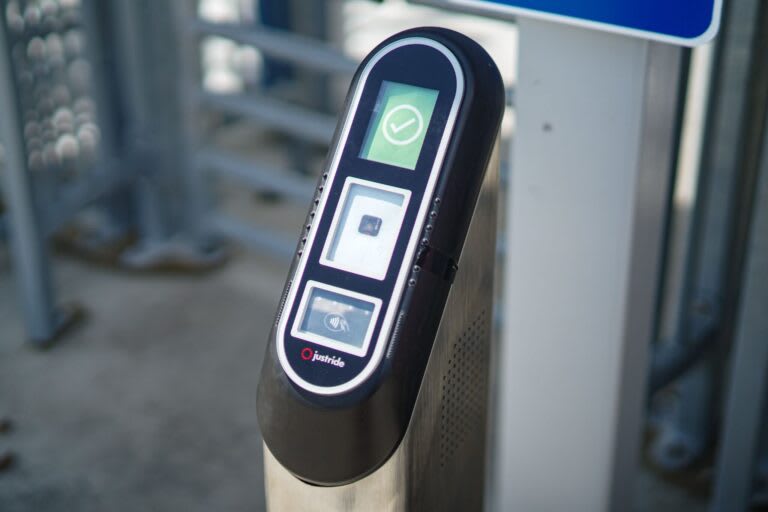
Metro Transit’s implementation highlights a growing trend among transit agencies investing in integrated fare collection and controlled station access.
Credit:
Metro Transit
2 min to read
Missouri’s Metro Transit will begin activating a new fare collection system and automated security gates at MetroLink stations on July 6, marking a significant milestone in the agency's multi-year effort to create a controlled-access rail network.
The first phase of implementation will bring integrated fare validation and automated gate access to 13 MetroLink stations across Missouri and Illinois. Riders will be able to access platforms using mobile tickets, smart fare media, or fares purchased from ticket vending machines.
The rollout is part of Metro Transit’s Secure Platform Plan, a systemwide initiative that transforms MetroLink from an open-platform operation to a gated-access environment designed to enhance security, reduce fare evasion, and improve the customer experience.
“This is more than an upgrade, it’s a transformation of how our region experiences transit,” said Taulby Roach, president and CEO of Bi-State Development. “This investment fulfills our promise to deliver a safer, more reliable, and more secure transit system for the region.”
The agency plans to complete the deployment in three phases. A second phase scheduled for July 17 will expand the system to 26 MetroLink platforms, representing approximately 91 percent of all MetroLink fare sales. The final phase is expected to begin August 17, pending delivery of the remaining ticket vending machines, with the new MidAmerica Airport MetroLink Station anticipated to come online separately later this year.
What Transit Leaders Need to Know
Metro Transit’s implementation highlights a growing trend among transit agencies investing in integrated fare collection and controlled station access as part of broader safety and security strategies.
Several key elements of the rollout may offer lessons for other agencies considering similar investments:
- Phased deployment: Metro is introducing the technology in stages to minimize operational disruptions and allow for adjustments before systemwide implementation.
- Customer support strategy: The agency will deploy ambassadors, security personnel, and support staff at activated stations to help riders adapt to the new technology and gate access procedures.
- Mobile-first fare collection: Riders are being encouraged to adopt digital fare payment through the Transit app, reflecting the industry's continued shift toward contactless and account-based fare systems.
- Security and fare enforcement integration: By combining automated gate access with modern fare technology, Metro Transit aims to strengthen security, improve fare compliance, and reduce unauthorized platform access.
As agencies nationwide evaluate investments in fare modernization, Metro Transit’s rollout provides an example of how fare collection technology can be paired with station security upgrades to support operational, customer experience, and safety objectives.
More Management
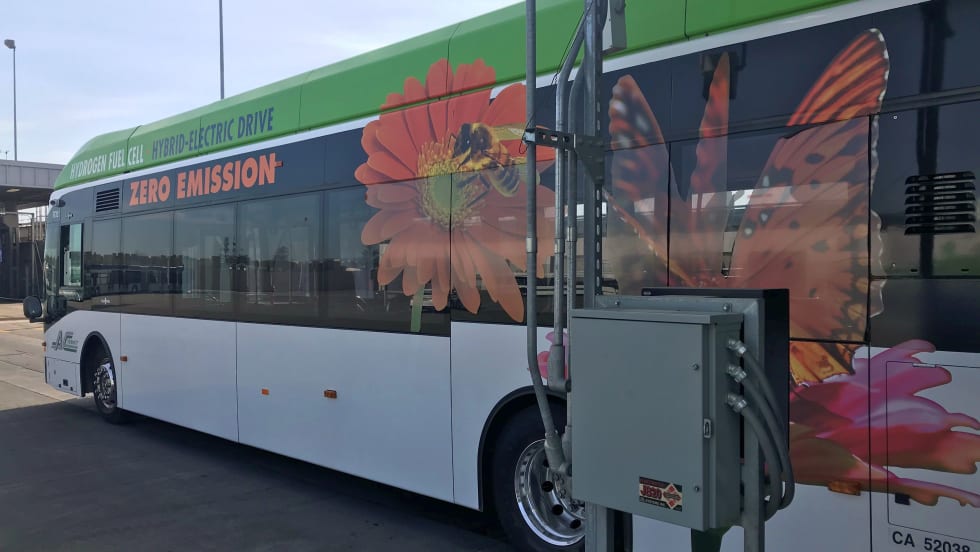
The Hidden Cost of Fuel Data Inaccuracy in Public Transit Fleets
In today's transit environment, accurate fuel and mileage data are critical to reducing costs, minimizing downtime, and improving fleet performance.
Read More →
Virginia's $28.5B Transportation Plan Targets Transit and Rail
Approved by the Commonwealth Transportation Board, the program supports ongoing infrastructure projects while providing new investments in transit, state of good repair and transportation alternatives.
Read More →
Latinos In Transit Seeks Host Organization for 2027 Leadership Summit
The selected host organization will showcase its transit system, projects, and community while welcoming hundreds of industry leaders and emerging professionals during Hispanic Heritage Month.
Read More →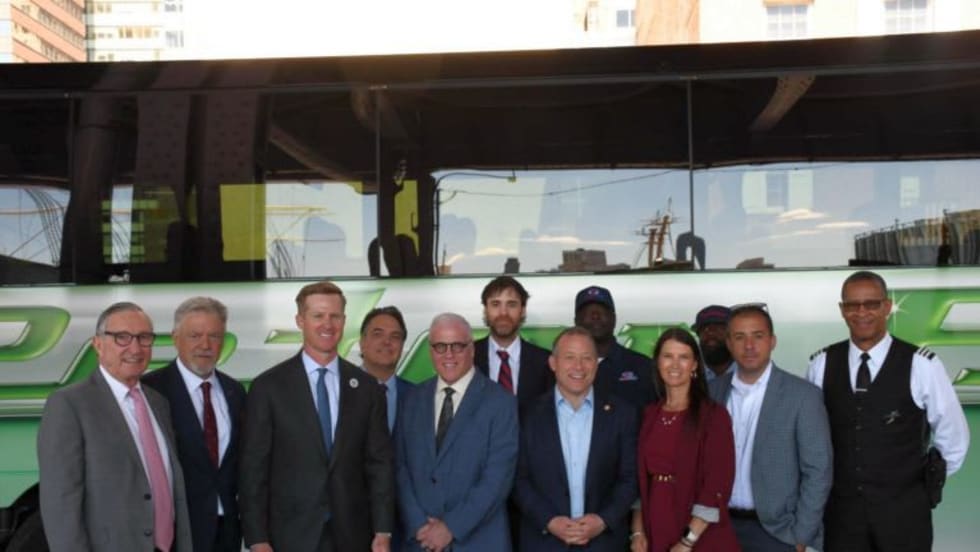
Bipartisan BUSES Act Seeks Changes to New York City's Bus Idling Enforcement Program
Backed by motorcoach operators, the legislation seeks to balance emissions goals with passenger safety by allowing limited idling for inspections, accessibility needs and extreme weather conditions.
Read More →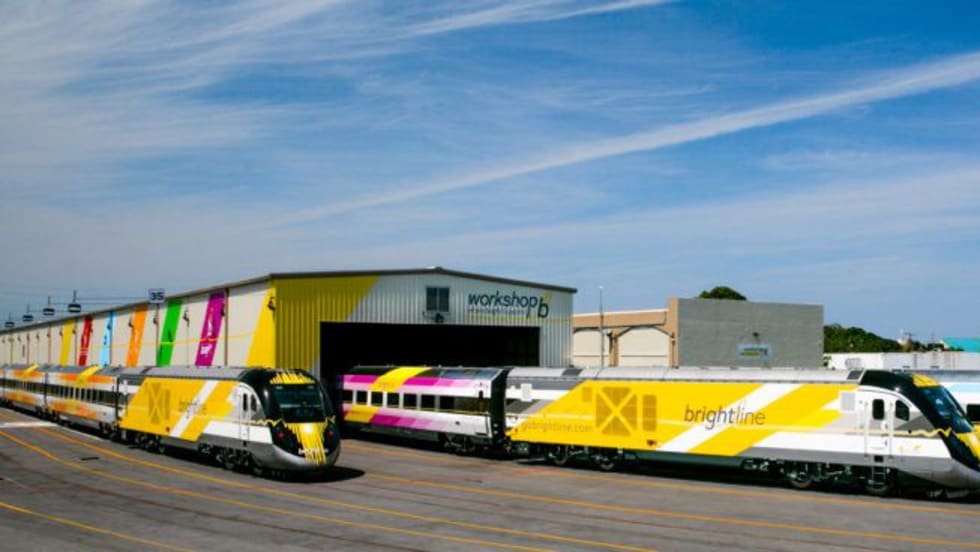
DOT: Brightline Corridor Incidents Fall 30% Following Federal Safety Upgrades
Safety improvements funded through a $25 million federal investment are credited with reducing trespassing and train-vehicle collisions along the Brightline Florida corridor.
Read More →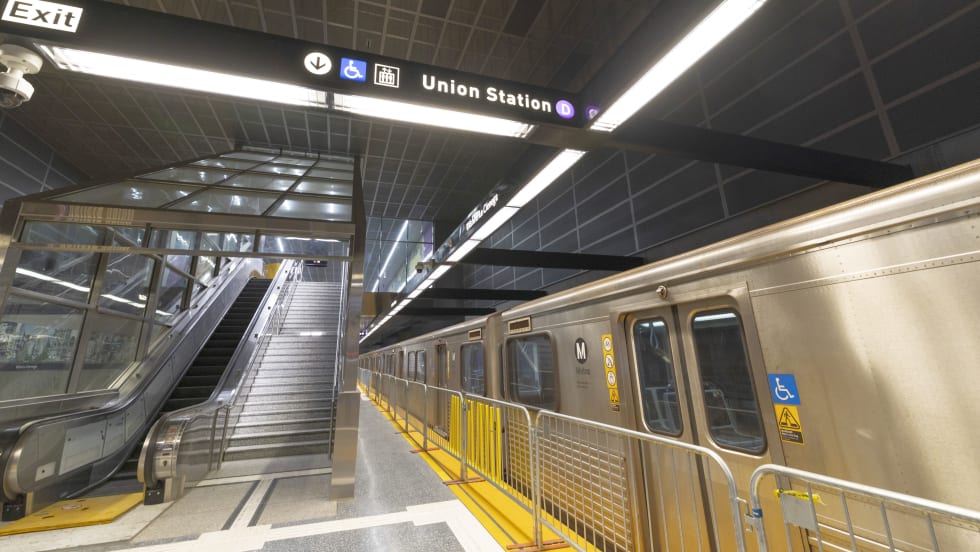
D Line Expansion Fuels Growth Across LA Metro's Rail System
Weekend rail ridership was especially strong, soaring 18% as riders embraced expanded access to jobs, entertainment, dining, and cultural destinations, said the agency. Total system ridership for May, including bus and rail, was 26,966,657.
Read More →
Q4 Travel Data Reveals Drop in Vehicle Traffic to Manhattan Congestion Zone
NYMTC’s quarterly Travel Patterns Report provides a snapshot of travel activity throughout New York City, Long Island, the Lower Hudson Valley, and northern New Jersey using data collected from the agencies operating the region’s bridges, tunnels, and public transit systems.
Read More →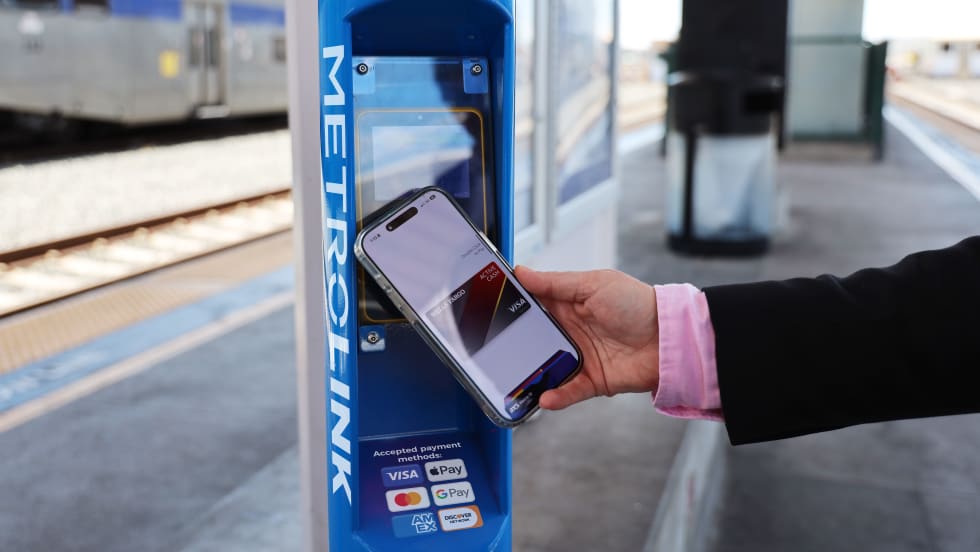
Southern California's Metrolink Debuts Contactless Fare Payment Pilot
Customers traveling between Redlands and Los Angeles can now tap their preferred payment method, including a credit or debit card, mobile wallet, or wearable device, at station validators before boarding and again while exiting.
Read More →
California's BART Approves FY27 Budget While Maintaining Service Levels
The budget covers July 1, 2026, through June 30, 2027, a period when pandemic emergency funds run out, the District faces a structural deficit of $375 million, and a regional transit funding measure may appear on the November ballot.
Read More →
CATS FY27 Budget Prioritizes Safety, Service
New investments in security, service expansion, and rail development aim to improve the rider experience while keeping fares flat.
Read More →