Transit agencies across the U.S. marked Earth Day 2026 by offering free rides to encourage public transportation use.
Credit:
Sound Transit/METRO
3 min to read
Transit agencies across the U.S. celebrated Earth Day 2026 with fare-free service, sustainability messaging, and new tools to highlight the environmental and economic benefits of public transportation.
In California, multiple agencies encouraged riders to leave their cars at home by offering free service on Earth Day, observed annually on April 22.
Ad Loading...
The Orange County Transportation Authority (OCTA) provided complimentary rides on all OC Bus routes, aiming to reduce traffic congestion and improve air quality while encouraging residents to make transit part of their daily routine. OCTA noted its fleet already runs on clean natural gas, with a transition underway toward a fully zero-emission fleet.
OCTA provided complimentary rides on all OC Bus routes, encouraging residents to make transit part of their daily routine.
Credit:
Orange County Transportation Authority
Metrolink also waived fares systemwide for the day, allowing riders to board any train without a ticket.
“Earth Day is a reminder that small changes, like choosing public transit over driving one day a week, can have a meaningful impact on our environment,” Metrolink Board Chair Doug Chaffee said. “As high gas prices continue to put a strain on communities across the region, we encourage Southern Californians to ride for free on April 22 and discover the ease of climbing aboard one of our trains to get where they’re going.”
To further highlight transit’s environmental impact, Metrolink promoted its Personal Impact Calculator, which allows riders to estimate greenhouse gas reductions and fuel savings when choosing rail over driving.
LA Metro joined the effort by offering free rides across its bus, rail, Bike Share, and Metro Micro services. The agency emphasized that public transportation can significantly reduce emissions, noting that regular transit riders have, on average, a 45% lower carbon footprint than car commuters. Metro also released a limited-edition bamboo TAP card made from a renewable resource to mark the occasion.
Ad Loading...
From Charlotte to Seattle to Kansas City to New York
In North Carolina, Charlotte Area Transit System (CATS) made all services free for Earth Day, encouraging both current and new riders to “give the Earth a break and utilize transit” while promoting a more resilient environment.
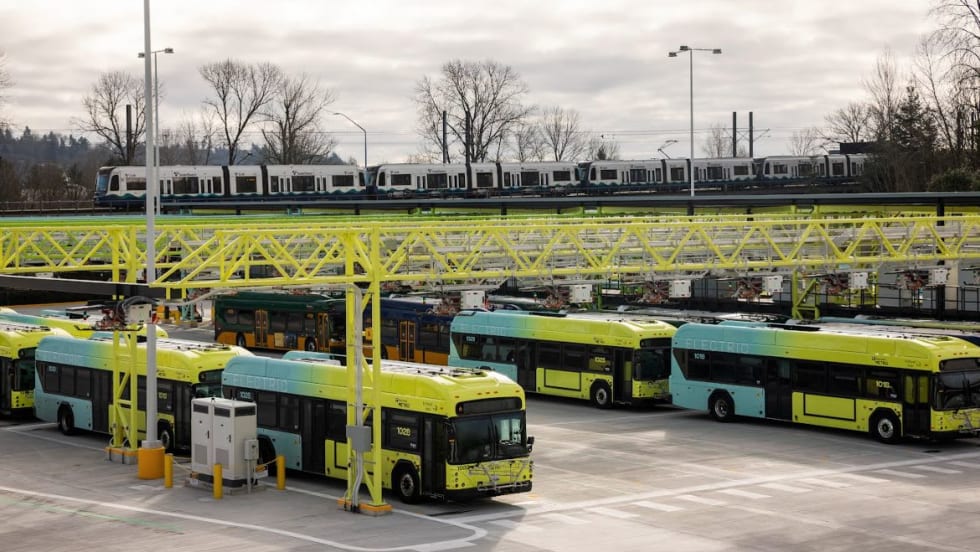
In the Pacific Northwest, Sound Transit used Earth Month to highlight the long-term environmental benefits of transit use and expansion. The agency stressed that public transportation is one of the most effective ways to reduce environmental impact, noting that every trip taken by bus or rail helps cut air and water pollution. Sound Transit is also advancing sustainability through system expansion and technology, including battery-electric buses for its Stride bus rapid transit service and electrified Link light rail. New infrastructure is being built to LEED Gold standards, and recent projects have earned top sustainability recognitions.
In the Midwest, the Kansas City Area Transportation Authority (KCATA) marked Earth Day through community engagement, partnering with local organizations as part of its Adopt-A-Stop program. KCATA staff, including executives and bus operators, joined volunteers to pick up litter at designated bus stops across Kansas City. The initiative highlights how businesses, schools, and community groups can take an active role in maintaining bus stops and supporting a more sustainable environment.
New York's Metropolitan Transportation Authority shared new projections for its proposed Interborough Express (IBX) light rail line, estimating it could eliminate 21.8 million miles of passenger vehicle travel annually.
Credit:
Marc A. Hermann/MTA
Meanwhile, the Metropolitan Transportation Authority (MTA) in New York used Earth Day to highlight the long-term environmental benefits of transit expansion. The agency shared new projections for its proposed Interborough Express (IBX) light rail line, estimating it could eliminate 21.8 million miles of passenger vehicle travel annually and reduce greenhouse gas emissions by more than 13,000 metric tons each year.
“On this Earth Day, we want to make sure these folks know that soon there will be a better, faster, and more climate-friendly way to travel between Brooklyn and Queens,” said MTA Chair and CEO Janno Lieber.
Ad Loading...
Across agencies, the message was consistent: whether through fare-free promotions, new tools, or long-term investments, public transit remains a key strategy for reducing emissions, improving air quality, and providing more sustainable mobility options.
Following its 2024 acquisition, ENC is upgrading operations, expanding capacity, and aligning its approach to meet agency demand for reliability and on-time delivery. METRO spoke to John Obert, vice president of transit sales, to find out more.
In Part 2 of a two-part conversation, AC Transit’s director of maintenance joins co-hosts Alex Roman and Mark Hollenbeck to discuss his maintenance team’s work with various types of vehicle, training, augmented reality, and more.
In Part 2 of a two-part conversation, AC Transit’s director of maintenance joins co-hosts Alex Roman and Mark Hollenbeck to discuss his maintenance team’s work with various types of vehicle, training, augmented reality, and more.
Coalition leaders outline priorities for preserving bus funding, maintaining competitive grants, and ensuring flexibility for transit agencies nationwide.
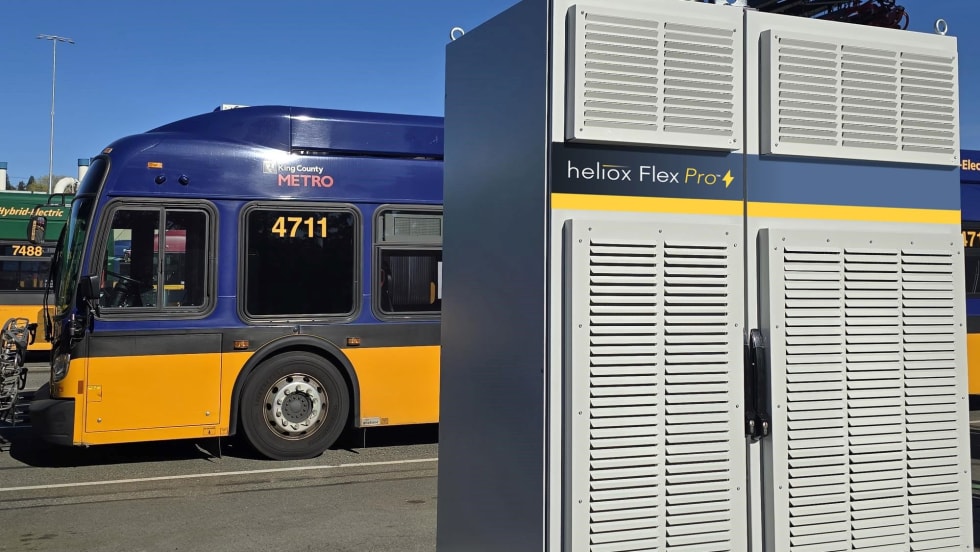
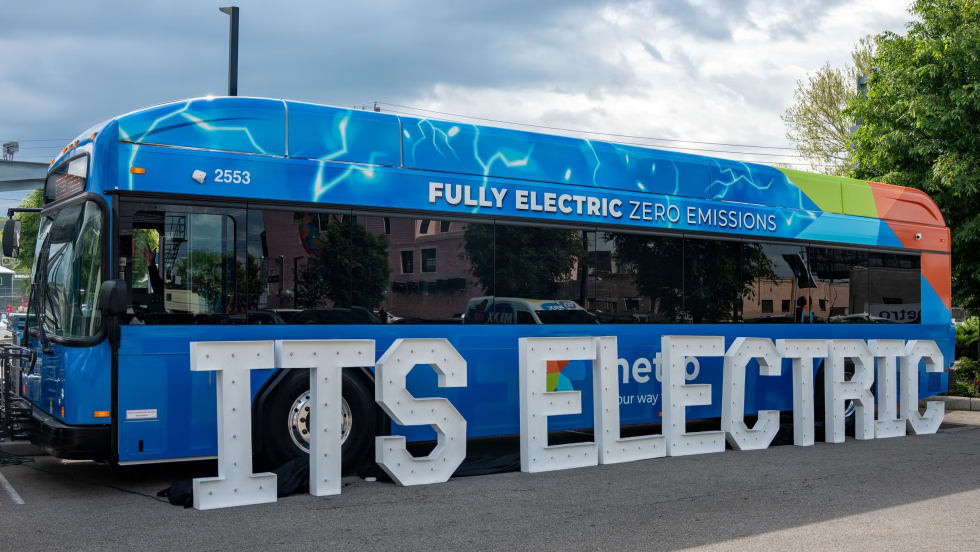
Two battery-electric buses entered service on Earth Day, with four additional vehicles expected to join the fleet this summer. Seven more buses are planned for the end of 2027, bringing Metro’s total zero-emission fleet to 13.