WMATA Adopts FY2027 Budget, Boosts Service Without Raising Fares
While recognizing regional economic constraints and continuing to improve service, the budget increases the jurisdictional subsidy to less than 1.8%, significantly below the inflation rate and the 3% regional target, said agency officials.
Metro Bus and Rail fares will remain at current rates, the agency said. Starting July 1, the agency will administer a $3 administrative fee for each Abilities Ride trip.
Credit:
WMATA/Larry Levine
3 min to read
WMATA board approved a $4.8 billion budget for FY 2027 to improve transit services without increasing fares.
New bus service improvements are slated for June, with additional bus and rail enhancements set for December.
The budget maintains a jurisdictional subsidy increase of under 1.8%, aligning with efforts for financial management amid economic constraints.
*Summarized by AI
The Washington Metropolitan Area Transit Authority (WMATA) board adopted a $4.8 billion operating and capital budget for Fiscal Year 2027, improving service without raising fares. Bus service improvements will take place in June, and additional bus and rail changes will be implemented in December, the agency said.
The approved budget reflects WMATA’s continued commitment to financial management and efficiency. While recognizing regional economic constraints and continuing to improve service, the budget increases the jurisdictional subsidy to less than 1.8%, significantly below the inflation rate and the 3% regional target, said agency officials.
Ad Loading...
"Over the past year, our Board has focused on ensuring transparency and accountability of WMATA operations and decision-making, ensuring that risks are mitigated appropriately, and that WMATA operates efficiently and safely,” said WMATA Board Chair Valerie Santos. “The budget that we adopted balances today's service needs with the budget realities of our local funding partners.”
WMATA’s FY27 Budget
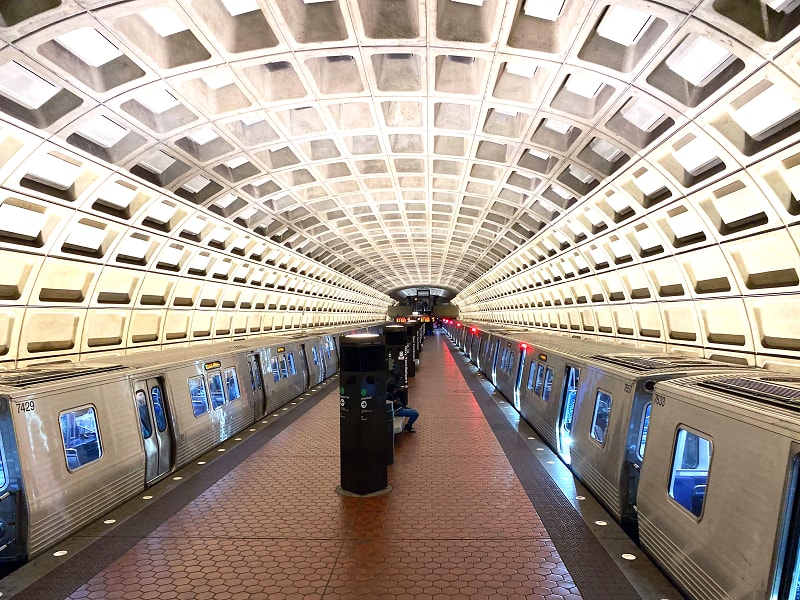
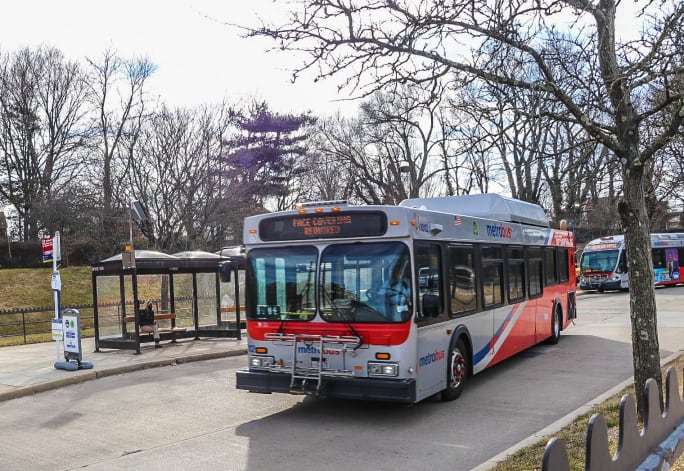
The FY 2027 budget includes improvements on select Metro Bus routes in the District of Columbia and Virginia. Rail customers will see increased weekday off-peak service on the Orange, Silver, and Blue lines and additional late-night frequency on the Red Line.
The capital budget includes funding for the first steps of rail modernization on the Red Line, WMATA’s original line that opened more than 50 years ago.
“Metro has led the country in ridership growth in recent years, and this additional service will help meet the growing demand on bus and rail,” said WMATA GM/CEO Randy Clarke. “We remain committed to running safe, frequent, and reliable service for our customers and planning for future rail modernization that would make Metro Rail even safer and more efficient.”
Metro Bus and Rail fares will remain at current rates, the agency said. Starting July 1, the agency will administer a $3 administrative fee for each Abilities Ride trip.
Ad Loading...
Upcoming Bus, Rail Improvements
Starting June 21, several Metro Bus improvements will be implemented in D.C. and Virginia, including:
Increased frequency and shorter wait times on five routes.
Route enhancements on two routes.
Extended service hours on one route.
In December, Metro Rail service will increase on select lines:
Orange, Silver, and Blue lines will arrive every 10 minutes on weekdays from system open through 9:30 p.m. (improved from 12 minutes off-peak).
Red Line trains will arrive every 7 to 8 minutes after 9:30 p.m., daily (improved from 10 minutes).
Two new limited-stop routes in Virginia are also planned to begin in December. The funding for these routes is contingent on approval by the Northern Virginia Transportation Commission and the Virginia Commonwealth Transportation Board this summer.
The approved budget reflects WMATA’s continued commitment to financial management and efficiency.
Credit:
WMATA
Capital Program
The WMATA board-approved Capital Improvement Program (CIP) includes a Red Line rail modernization program. This will facilitate the implementation of a new Communications-Based Train Control signaling system, platform screen doors, and advanced technologies to enhance capacity, safety, and reliability, the agency said.
Ad Loading...
The Red Line is 50 years old and moves more people daily than the three airports in the National Capital Region combined, making these improvements critical to WMATA’s future.
The capital budget also includes maintenance investments to ensure the system is in a state of good repair. However, as highlighted by the DMVMoves initiative, WMATA officials said it lacks the long-term, dedicated, and predictable capital funding needed to sustain these critical investments.
The agency will continue working with the regional leaders and expects legislative approvals of DMVMoves funding in advance of adopting the FY28 Capital Budget and the FY28-33 Capital Improvement Program.
CIP investments include:
8000-series railcar acquisition program (assembled locally in Maryland).
Signal system upgrades and control room rehabilitation.
Track, bridge, and structural rehabilitation.
Tunnel water leak mitigation.
Station improvements include elevators and escalators, canopies, digital signage, and wayfinding.
Modernized fare payment systems.
Ad Loading...
Metro Bus investments include:
New 40-foot and 60-foot bus fleet.
New Bladensburg Bus Garage.
New Northern Bus Garage.
Bus shelter replacements on Metro property.
New customer information displays.
Metro Access vehicles.
Organizational investments:
State-of-the-art training center.
Employee Resource Planning (ERP) and business systems.
Digital modernization technology.
Quick Answers
WMATA approved a $4.8 billion operating and capital budget for Fiscal Year 2027.
No, the budget improves service without raising fares.
Bus service improvements will take place in June.
The jurisdictional subsidy increase is less than 1.8%, which is below the inflation rate and the 3% regional target.
The WMATA Board has focused on ensuring transparency, accountability, risk mitigation, and efficient and safe operations.
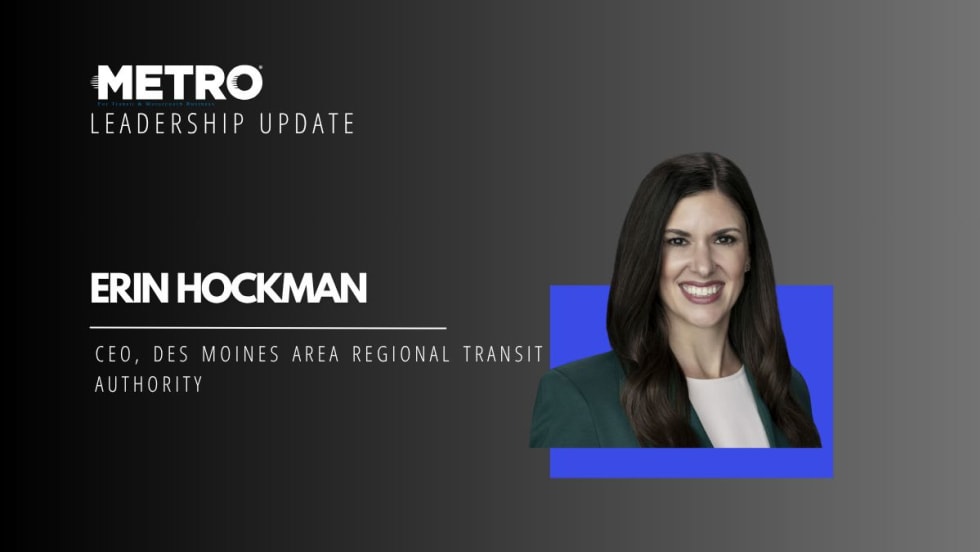
Erin Hockman will officially assume the role on May 7, as current CEO Amanda Wanke departs to take a leadership position with Metro Transit in the Twin Cities.
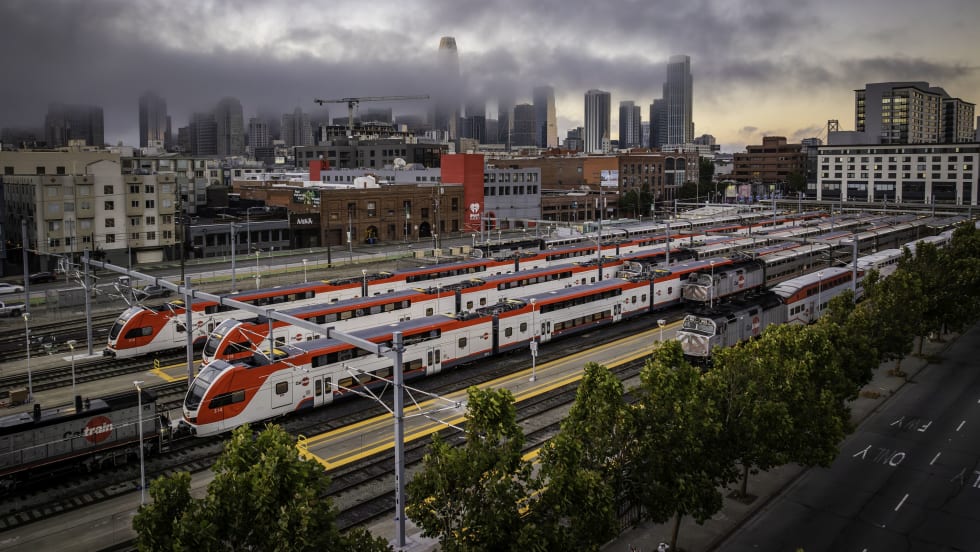
The survey showed that commute trips still make up the majority of ridership, with most riders boarding 2 to 3 days a week, reflecting hybrid work schedules. Two-thirds of Caltrain riders have access to a car, while 37% of Caltrain riders are considered low-income.
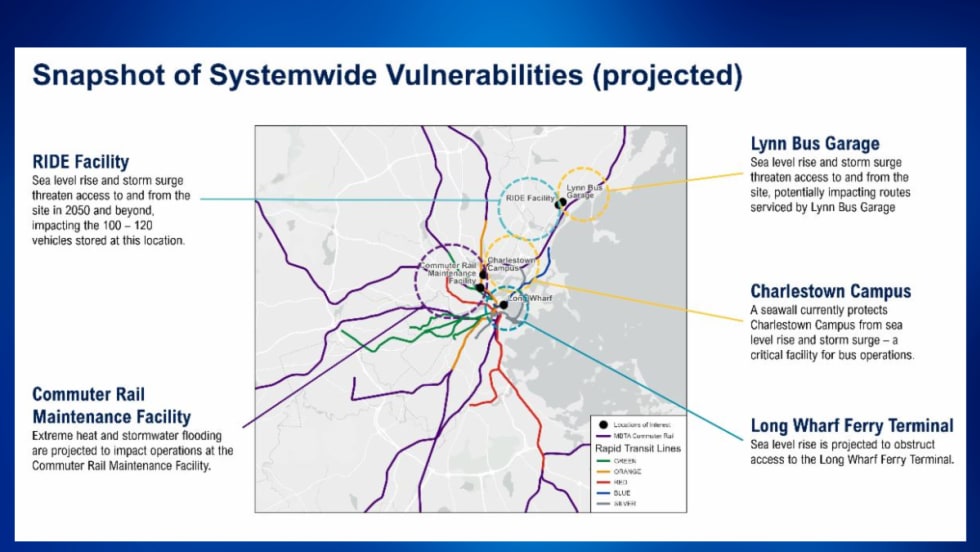
The plan outlines strategies to protect transit infrastructure from extreme weather, prioritize critical investments, and improve system reliability as climate risks intensify.
In this edition, we cover recent appointments and announcements at MCTS, Voith, and more, showcasing the individuals helping to shape the future of transportation.
Advances in data and analytics are giving transit agencies new opportunities to refine maintenance practices, improve efficiency and make more informed decisions about asset performance.
Today’s riders—and the communities you serve—expect more from public transit. While ADA compliance is required, leading transit agencies know that true accessibility also means delivering dignity, efficiency, and a better rider experience. This whitepaper reveals why forward thinking agencies nationwide choose the Low Floor Frontrunner as their first choice for ADA compliant vehicles—setting a new standard with passenger first design, faster boarding, improved safety, and unmatched operational performance.