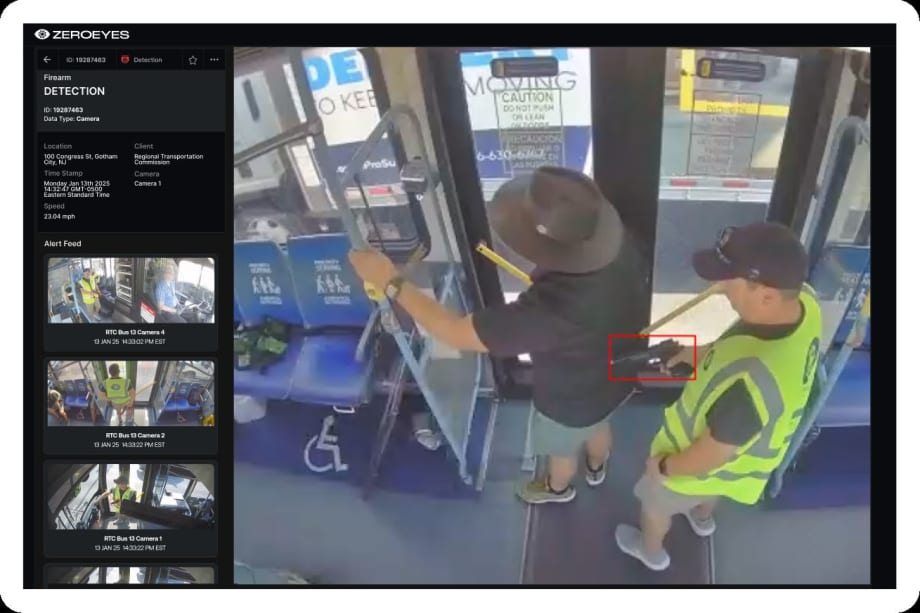
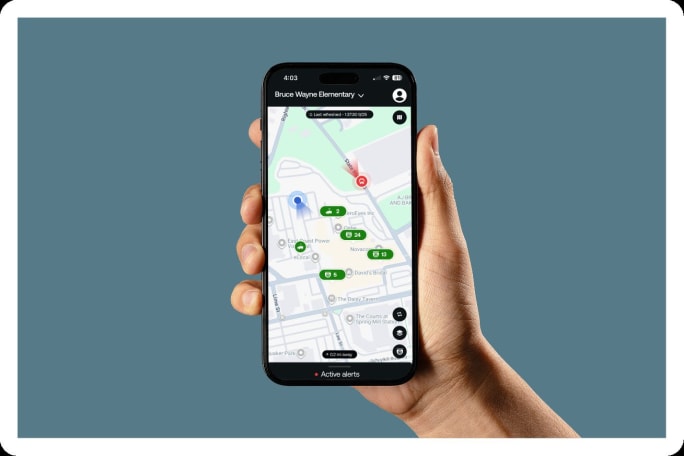
ZeroEyes' AI gun detection and intelligent situational awareness software layers onto new or existing digital security cameras.
Credit:
ZeroEyes
3 min to read
ZeroEyes introduces ZeroLink, an edge-based solution for AI gun detection that operates beyond traditional network constraints.
The new system is designed to provide real-time threat detection in challenging environments such as remote, mobile, and infrastructure-limited areas.
ZeroLink enhances situational awareness, enabling more effective response to potential threats in diverse settings.
*Summarized by AI
ZeroEyes announced the limited availability of ZeroLink — a solution that delivers its AI gun detection and intelligent situational awareness off-network, enabling the software’s deployment in virtually any environment.
ZeroEyes' AI gun detection and intelligent situational awareness software layers onto new or existing digital security cameras.
Ad Loading...
If a gun is identified, images are instantly shared with the ZeroEyes Operations Center (ZOC). If these experts determine the threat is valid, they dispatch alerts and actionable intelligence — including visual description, gun type, and last known location — to law enforcement and local security teams as quickly as three to five seconds from detection.
Edge Deployment Unlocks New Use Cases
Powered in partnership with Lanner’s high-performance Edge AI Inference Computers, ZeroLink enables deployment in environments where network isolation, deployment speed, mobility, or infrastructure limitations would otherwise prevent adoption. This includes light poles, vehicles, buildings, and mobile trailers placed in parking lots, remote perimeters, event venues, and other outdoor areas where permanent infrastructure may be limited.
By filtering, analyzing, and storing data locally, ZeroLink reduces latency, conserves bandwidth, and supports faster real-time decision-making.
“ZeroLink represents an important step forward in how organizations can extend security to locations that were previously difficult or cost-prohibitive to monitor,” said Mike Lahiff, CEO/co-founder of ZeroEyes. “By removing the traditional barriers of infrastructure and connectivity, ZeroEyes is making it easier for businesses to deploy reliable, AI-based gun detection and situational awareness virtually anywhere.”
ZeroEyes’ CPO/Co-Founder Tim Sulzer said ZeroLink is designed to integrate seamlessly with existing systems, particularly in transit and public safety environments.
Credit:
ZeroEyes
Built for Seamless Integration with Public Safety Systems
ZeroEyes’ CPO/Co-Founder Tim Sulzer told METRO that ZeroLink is designed to integrate seamlessly with existing systems, particularly in transit and public safety environments.
Ad Loading...
“ZeroLink is meant to be non-intrusive for existing networks. We can tie into existing cameras if desired, just like we do with our regular solution. Still, it gives us flexibility not to impact or touch the customer's existing network,” Sulzer said. “We combine our edge AI device with new or existing cameras, using wireless technologies like Starlink, cellular 5G/LTE, and mesh networks to send alerts to our ZOC for human-in-the-loop verification — the same as our core offering.”
He added that the platform connects directly to established emergency response ecosystems.
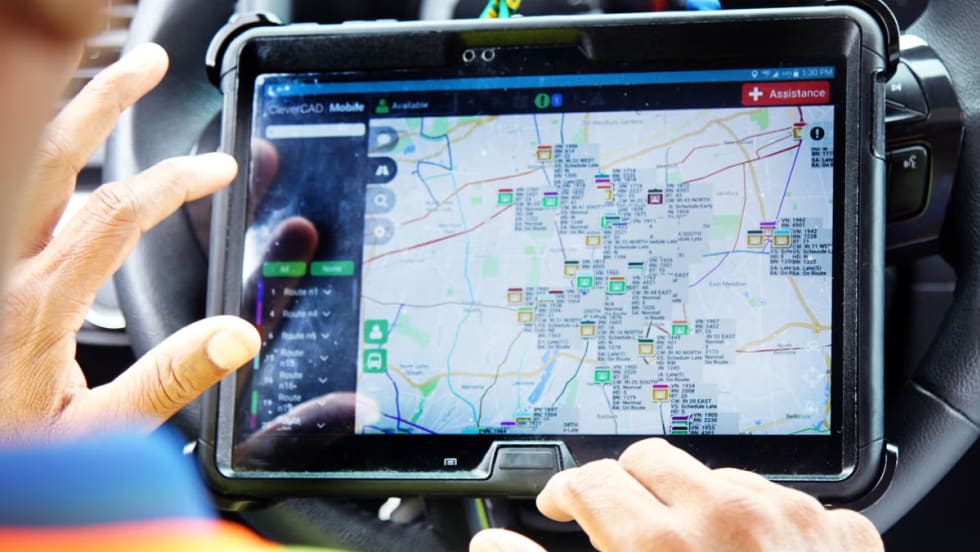
“We then dispatch critical alerts to first responders in a variety of systems, including RapidSOS and RapidDeploy,” Sulzer said. “For mobile use cases like transit and movable towers, we also offer GPS tracking capability so we know exactly where the vehicle is and where it was when it triggered the alert.”
Addressing data security and privacy, Sulzer emphasized that ZeroLink follows the same strict standards as the company’s core platform.
“All the same safeguards that apply to our core solution also apply to our edge device,” he said. “The device is locked down both physically and digitally, and all data is encrypted both in transit and at rest using state-of-the-art encryption techniques.”
Quick Answers
ZeroLink is a new edge-based solution from ZeroEyes designed to enable real-time threat detection and situational awareness in remote, mobile, and infrastructure-limited environments.
ZeroLink expands AI gun detection capabilities by providing real-time threat detection beyond traditional networks, making it effective in areas with limited infrastructure and connectivity.
Remote, mobile, and infrastructure-limited environments can benefit from using ZeroLink, as it provides enhanced situational awareness and threat detection in these challenging locations.
ZeroLink was developed by ZeroEyes, a company focusing on AI-based gun detection solutions.
ZeroLink aims to solve the problem of effectively detecting threats and providing situational awareness in environments where traditional network infrastructure is unavailable or limited.
The proposed acquisition of a company with deep digital expertise and expected 2026 revenues of over $220 million marks a significant step in Hitachi Rail’s strategy to operate as a leading global digital mobility player, the company said.
The board authorized a five-year contract, with two one-year options, to Tolar Manufacturing Company Inc., for the fabrication and installation of upgraded passenger amenities at bus stops across the DART Service Area.
As motorcoaches navigate increasingly congested urban corridors filled with pedestrians, cyclists, scooters, and distracted drivers, safety leaders across the industry are confronting a growing challenge: visibility.
In this edition of Biz Briefs, we highlight the latest developments shaping the future of mobility — from manufacturers and technology providers to transit agencies and motorcoach service operators.
In this product roundup, METRO highlights transit software platforms designed to optimize scheduling; harness actionable data; and support flexible, on-demand operations.
A major goal of the pilot, which begins in April, is to test the speed, functionality, and durability of new handheld devices to scan Ventra and paper tickets.
Traditionally, bus lane enforcement has relied on manual processes carried out by transit police or parking enforcement officers. While it may be effective in certain municipalities, this approach is resource-intensive and very difficult to sustain.