Building a National Framework for Transit Safety and Consistency
On a recent episode of METROspectives, METRO Magazine’s Executive Editor Alex Roman sat down with Ana-Maria Tomlinson, Director of Strategic & Cross-Sector Programs at the CSA Group, to explore a bold initiative aimed at addressing those challenges: the development of a National Code for Transit and Passenger Rail Systems in Canada.
CSA Group has launched extensive research into the challenges facing Canadian transit projects and has convened a Standards Strategy Working Group composed of subject-matter experts from across the country.
Credit:
Alstom
4 min to read
Alex Roman and Ana-Maria Tomlinson discuss a strategic initiative on METROspectives.
The focus is on creating a National Code for Transit and Passenger Rail Systems in Canada.
The initiative aims to enhance safety and ensure consistency across the transit industry.
*Summarized by AI
As Canada embarks on one of the most ambitious transit and passenger rail expansion efforts in its history, questions around safety, consistency, and project delivery have never been more urgent.
On a recent episode of METROspectives, METRO Magazine’s Executive Editor Alex Roman sat down with Ana-Maria Tomlinson, Director of Strategic & Cross-Sector Programs at the CSA Group, to explore a bold initiative aimed at addressing those challenges: the development of a National Code for Transit and Passenger Rail Systems in Canada.
Ad Loading...
The timing could not be more critical.
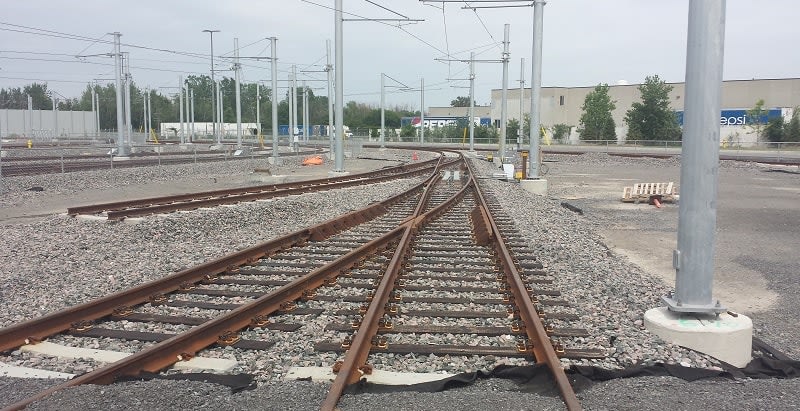
According to Tomlinson, Canada’s transit and passenger rail sectors are experiencing unprecedented growth, with more than 80 miles of rail and 148 stations currently under construction nationwide — a roughly 40% expansion of existing systems. While this growth reflects significant public investment and political momentum, it has also exposed gaps in how large-scale transit projects are designed, constructed, and delivered.
“Many of these projects are incredibly complex,” Tomlinson explained. “What we’re seeing is a mix of delays, cost overruns, and quality and safety challenges that, over time, can erode public trust.”
At the core of the issue is a lack of dedicated, Canada-specific standards governing transit and passenger rail infrastructure. Unlike other countries that rely on hundreds of sector-specific engineering standards, Canada has historically depended on a patchwork of international and national standards — many of which were never designed for Canadian conditions or transit applications.
Why a National Code Matters
CSA Group’s proposed code aims to bring clarity, consistency, and predictability to transit and passenger rail projects nationwide.
Ad Loading...
Rather than replacing existing standards, the code would serve as a coordinated framework that references established international and national standards while guiding their appropriate application within the Canadian context.
“Right now, projects may be using European standards alongside American standards,” Tomlinson said. “Those documents were never meant to work together, and without guidance, that can lead to misinterpretation or inconsistent implementation.”
By creating a unified framework, CSA Group hopes to reduce confusion during the design, construction, commissioning, and implementation phases — ultimately improving safety outcomes and project performance nationwide.
According to Ana-Maria Tomlinson, Canada’s transit and passenger rail sectors are experiencing unprecedented growth, with more than 80 miles of rail and 148 stations currently under construction nationwide — a roughly 40% expansion of existing systems.
Credit:
CSA Group
From Vision to Framework
The initiative is still in its early stages, but progress is already underway.
CSA Group has launched extensive research into the challenges facing Canadian transit projects and has convened a Standards Strategy Working Group composed of subject-matter experts from across the country. The group includes representatives from transit agencies, government bodies, and engineering consultancies actively involved in rail projects.
Ad Loading...
Their task: develop the structure and scope of the national code from the ground up.
“We’re essentially starting from zero,” Tomlinson said. “That means being very deliberate about how the code is organized, what topics it covers, and how different sections work together.”
The working group is currently developing an expanded framework and is expected to complete this phase within the next three to four months. That work will pave the way for formal code development, targeted to begin in April 2026.
What the Code Will Cover, Building Consensus
Given the complexity of modern rail systems, the scope of the code will be comprehensive. Planned focus areas include:
Infrastructure and rolling stock
Energy systems
Noise and vibration
Safety and security
Accessibility
Operations and traffic management
Signaling and communications
Ad Loading...
The code will also be structured to address different project types, with dedicated sections for urban rail and light rail, intercity passenger rail, and high-speed rail, as well as a set of general requirements applicable across all systems.
One of the defining features of CSA Group’s standards development process is its emphasis on collaboration.
The technical committee responsible for drafting the code will include regulators, government agencies, manufacturers, consultants, and industry stakeholders, ensuring the final document aligns with both regulatory requirements and practical realities.
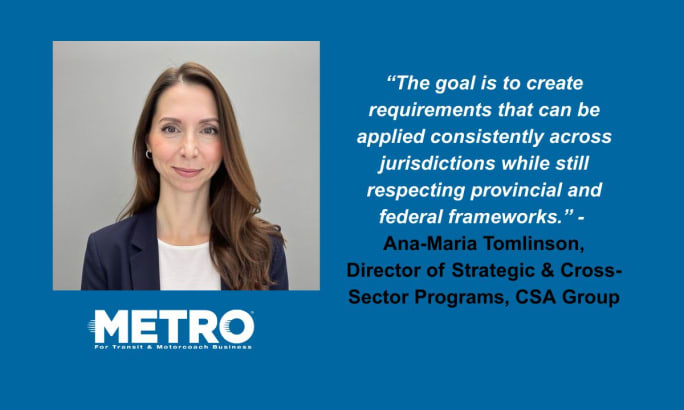
“These standards are developed with regulations in mind,” Tomlinson noted. “The goal is to create requirements that can be applied consistently across jurisdictions while still respecting provincial and federal frameworks.”
Importantly, the code will rely heavily on performance-based requirements, rather than overly prescriptive rules. This approach allows for flexibility, innovation, and adaptation as technologies and operating practices evolve.
Ad Loading...
Looking Ahead
CSA Group has outlined an ambitious four-year development timeline, with the code being released in four interrelated parts. Once published, the code will be voluntary but can become mandatory if referenced in contracts, policies, or regulations.
Over time, it will serve as a living document, updated regularly to reflect emerging technologies and industry needs.
Beyond the national code itself, CSA Group is already advancing complementary standards for transit tunnels, railway safety management, electrification, and EV integration, many of which will be referenced in the code.
“We recognize the scale of public investment being made — roughly $250 billion across federal and provincial governments,” Tomlinson said. “Our role is to support those investments by helping to ensure projects are safer, more efficient, and deliver better outcomes for communities.”
As Canada’s transit ambitions continue to grow, CSA Group’s national code could play a defining role in shaping how future rail systems are built — not just faster, but smarter, safer, and more consistent across the country.
Quick Answers
The main goal of the National Code is to provide a cohesive framework to ensure transit safety and consistency across Canada.
The initiative was discussed by METRO Magazine’s Executive Editor Alex Roman and Ana-Maria Tomlinson, Director of Strategic & Cross-Sector Programs at the CSA Group.
The CSA Group aims to address challenges in transit safety and consistency through the development of the National Code.
A National Code is needed to create uniform standards and practices to enhance the safety and efficiency of transit and passenger rail systems across the country.
Ana-Maria Tomlinson, as part of the CSA Group, is taking initiative alongside industry discussions, as highlighted in the METROspectives episode.
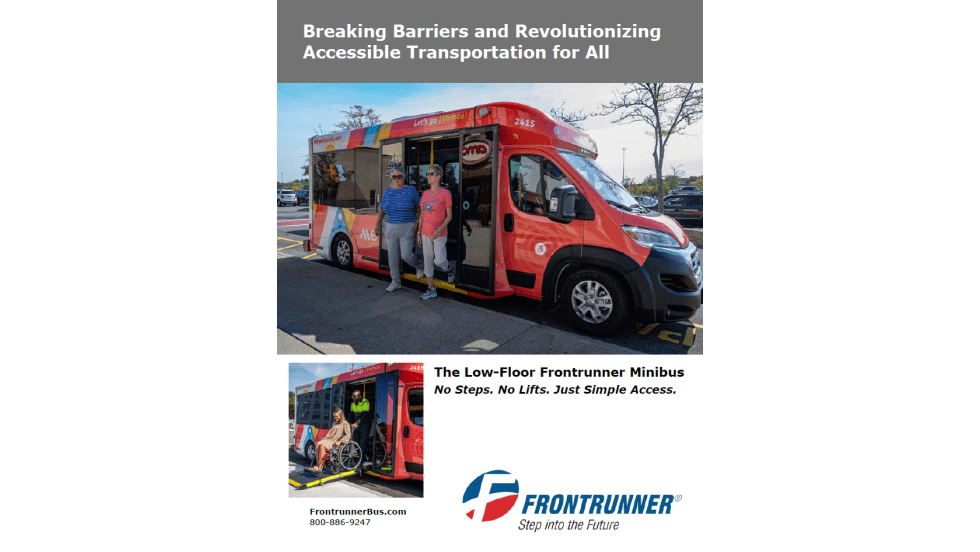
Accessible transit isn’t a feature—it’s a responsibility. This whitepaper explores how the Low-Floor Frontrunner is redefining mobility with a breakthrough design that removes barriers, empowers riders, and delivers measurable operational advantages for agencies. Discover why this next generation minibus is setting a new standard for inclusive transportation.
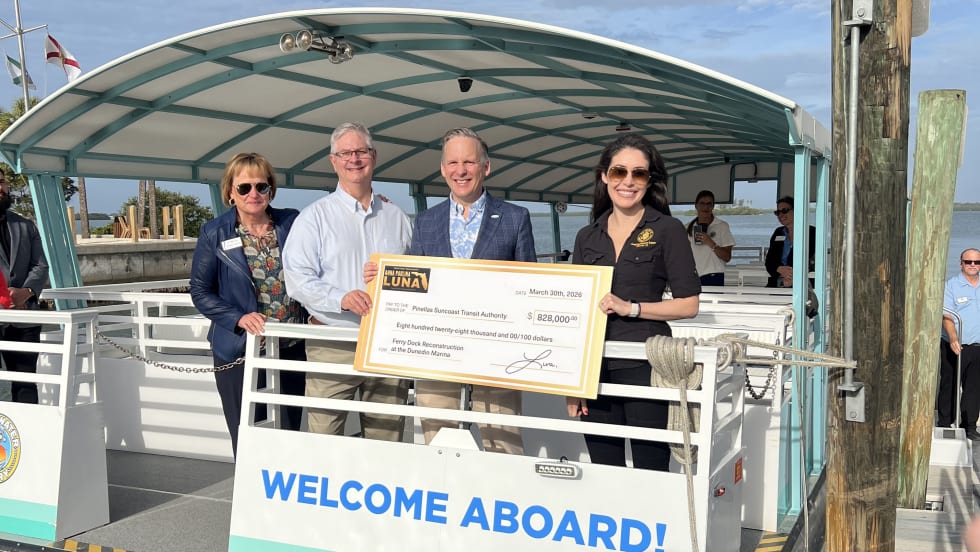
The funds will specifically reconstruct the portion of the pier used by PSTA’s Clearwater Ferry, creating a permanent dock for the ferry service, which serves as an important transportation and tourism link to other Pinellas County communities.
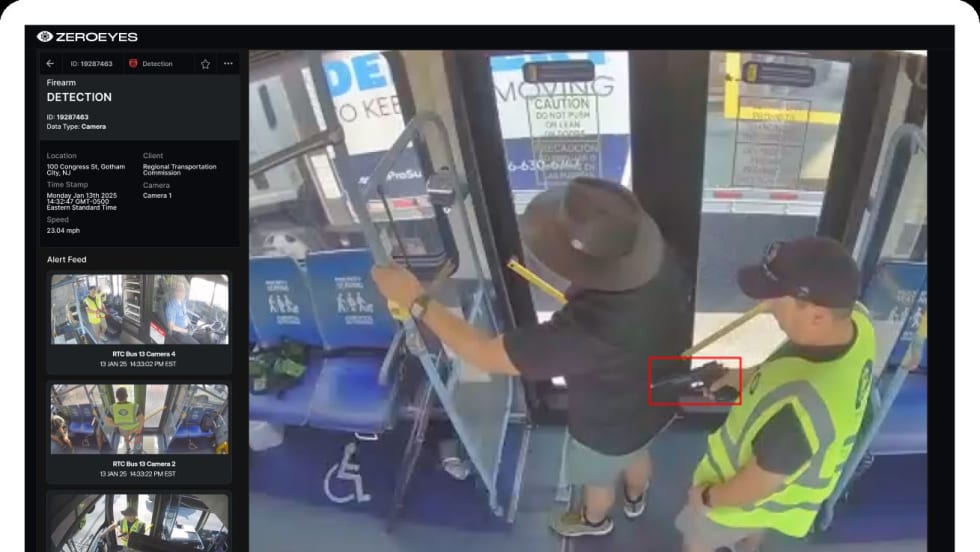
Between accident prevention and insurance savings, new research outlines how transportation fleets are leveraging intelligent video and telematics technologies.
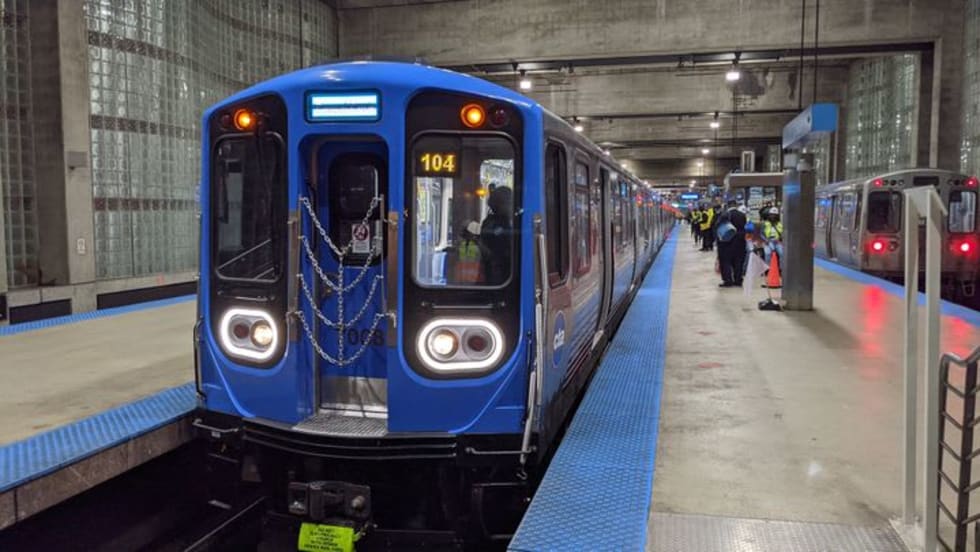
The Plan is CTA's formal response to an FTA Special Directive issued in December and details how the agency will significantly expand the law enforcement surge it launched.
During a safety blitz, Metra employees will visit one of the railroad’s 243 stations during the morning rush hour, distributing educational materials on train and grade-crossing safety, answering questions, and listening to riders’ safety concerns.