METRO Magazine Logo
MenuMENU
SearchSEARCH

CTA Innovation Studio Expands Pilot to Reduce Smoke, Odors

The new filters include substantially more activated carbon than traditional HVAC filters, which is especially helpful in providing a better transit riding experience for vulnerable populations, particularly children, seniors, and people with chronic illnesses, according to the CTA.

January 16, 2026
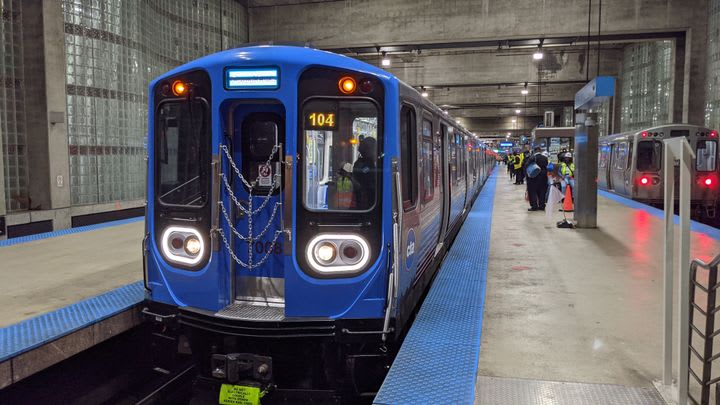
CTA railcar in station.

Last summer, CTA’s Innovation Studio launched a problem statement seeking solutions to mitigate the smell of smoke and other unpleasant odors. The agency sought solutions that were low-maintenance, easily installed, and capable of performing in a variety of outdoor weather conditions. 

Credit: CTA

3 min to read


The Chicago Transit Board approved an agreement with Sandbox Carbon to pilot activated carbon filters installed on eight CTA railcars to mitigate cigarette smoke and other odors that negatively impact the customer experience. 

The new filters include substantially more activated carbon than traditional HVAC filters, which is especially helpful in providing a better transit riding experience for vulnerable populations, particularly children, seniors, and people with chronic illnesses, according to the CTA.

Ad Loading...

“We are excited to move forward with this pilot for Innovation Studio,” said CTA Acting President Nora Leerhsen. “We employ a multifaceted approach to confronting the issue of smoking aboard CTA buses and trains, including in-system campaigns and working closely with local law enforcement and security personnel to execute anti-smoking missions. This pilot complements those efforts and seeks to use technology to enhance air quality in our railcars.”

Combating A Lingering Issue

Over the past few years, CTA has experienced a significant increase in the number of people smoking on vehicles. Smoking on transit vehicles is not only a violation of CTA’s Code of Conduct but also degrades the rider experience and creates a strong incentive for riders to choose modes other than transit if they are able, officials said, as well as issues with secondhand smoke.

The pilot complements CTA’s ongoing efforts to combat smoking on trains and buses, including working closely with local law enforcement and security personnel to address it in real time through strategic anti-smoking missions that issue citations to violators, as well as ongoing amplification of both visual and audio reminders that smoking is prohibited. The pilot will address the final element — mitigating the impact of second-hand smoke.

Last summer, CTA’s Innovation Studio launched a problem statement seeking solutions to mitigate the smell of smoke and other unpleasant odors. The agency sought solutions that were low-maintenance, easily installed, and capable of performing in a variety of outdoor weather conditions. 

CTA railcars in particular present a challenging environment for retrofitting new equipment, as solutions are needed to:

Ad Loading...
  • Be resistant to vandalism and avoid obstructing the cabin to maintain passenger capacity.

  • It has little impact on airflow to prevent excess wear on the HVAC system.

  • Address odor (typical HVAC filters can capture harmful particles, but many odor-causing gases can pass through).

How the Tech Works

For this pilot, CTA will install Sandbox Carbon’s activated carbon filters on eight 5000-Series railcars. 

The filters will be installed in the return air ducts, which pull air from the cabin for the HVAC system, and there are four per railcar. Each filter will have a custom-designed protective metal grate to prevent debris from entering. To monitor the filters' performance throughout the pilot, CTA will also install two state-of-the-art industrial air-quality sensors in each railcar to measure two common byproducts of cigarette smoke. These sensors will also monitor air flowing through the HVAC system.

With this agreement, CTA will fund the one-year pilot. The agency anticipates installing the custom filters beginning this spring, following a baseline air quality test to help compare the effectiveness of the new filters. 

CTA will also evaluate the time required for the filters to completely remove odor from cigarette smoke in the air and ensure they remain effective throughout the period between maintenance cycles.

Ad Loading...

Sandbox Carbon is a small Chicago-based firm that specializes in scrubbing pollutants from fossil-fuel combustion exhaust sources and turning them into inert minerals. 

The company is applying techniques they use in the Construction industry to scrub fossil-fuel combustion exhaust in the transit context. In addition, Sandbox Carbon will be able to reuse the filters removed from the CTA railcars for less demanding applications, even when they are no longer effective for mitigating cigarette smoke. 

Sandbox Carbon will work with the women-owned, Chicago-based metalworking shop FosterWorks to fabricate the custom stainless steel filter enclosures.

With the approval of the Chicago Transit Board, the CTA can implement the pilot and begin testing the filters, officials said.  

More Technology

A screenshot of a Clever Devices product
Technologyby StaffApril 2, 2026

Hitachi Rail Strikes Deal to Acquire Clever Devices

The proposed acquisition of a company with deep digital expertise and expected 2026 revenues of over $220 million marks a significant step in Hitachi Rail’s strategy to operate as a leading global digital mobility player, the company said.

Read More →
A white, blue, and black graphic with a black and white image of hands tapping a fare card and text reading "Transit Fare Systems Reimagined."
Technologyby Elora HaynesApril 1, 2026

Why Transit Agencies Are Rethinking the Farebox, and the Technology Behind It

The farebox is no longer just a payment machine. Learn how agencies are using new tech and pricing strategies to rethink how riders pay for transit.

Read More →
DART bus approaching waiting passengers
Technologyby StaffMarch 30, 2026

DART Approves Major Investment to Upgrade Bus Stop Amenities

The board authorized a five-year contract, with two one-year options, to Tolar Manufacturing Company Inc., for the fabrication and installation of upgraded passenger amenities at bus stops across the DART Service Area.

Read More →
Ad Loading...
Coach USA, Samsara cover shot
Technologyby Alex RomanMarch 30, 2026

How Coach USA Is Using AI to Prevent Bus Accidents

As motorcoaches navigate increasingly congested urban corridors filled with pedestrians, cyclists, scooters, and distracted drivers, safety leaders across the industry are confronting a growing challenge: visibility.

Read More →
A Houston automated people mover manufactured by Alstom.
Technologyby Staff and News ReportsMarch 26, 2026

Biz Briefs: Alstom in Houston, DATTCO Makes Acquisition, and More

In this edition of Biz Briefs, we highlight the latest developments shaping the future of mobility — from manufacturers and technology providers to transit agencies and motorcoach service operators.

Read More →
A screenshot of ZeroEyes AI gun detection technology.
Railby Staff and News ReportsMarch 24, 2026

ZeroEyes Launches ZeroLink to Expand AI Gun Detection Beyond Traditional Networks

New edge-based solution enables real-time threat detection and situational awareness in remote, mobile, and infrastructure-limited environments.

Read More →
Ad Loading...
Opening text art for METRO's Product Roundup
Technologyby Staff and News ReportsMarch 23, 2026

Product Roundup: Transportation Software and More

In this product roundup, METRO highlights transit software platforms designed to optimize scheduling; harness actionable data; and support flexible, on-demand operations.

Read More →
A Go Durham bus
Technologyby Staff and News ReportsMarch 20, 2026

TSI Delivers North Carolina Refurbs, Expanded SilverRide Partnerships Highlight Biz Briefs

Stay informed with these quick takes on the projects and companies driving progress across the transportation landscape.

Read More →
A Chicago Metra train on rail tracks
Technologyby StaffMarch 20, 2026

Chicago's Metra to Launch Fare Collection Tech Pilot

A major goal of the pilot, which begins in April, is to test the speed, functionality, and durability of new handheld devices to scan Ventra and paper tickets.

Read More →
Ad Loading...
An ABQ RIDE bus going through a Westmatic wash system.
Technologyby Staff and News ReportsMarch 16, 2026

Biz Briefs: Westmatic in Albuquerque, New Fare Payment Systems, and More

In METRO's latest installment, we take a look at the latest news from suppliers including Alstom, Modeshift, and more.

Read More →