




ICYMI: California's OCTA Highlights Major Transportation and Transit Milestones in 2025
OCTA Approves $2 Billion Budget for FY 2026-27, Prioritizing Transit Investments
More than half of the agency’s upcoming spending plan is dedicated to transit as OCTA balances infrastructure investment with fiscal stability.
June 9, 2026
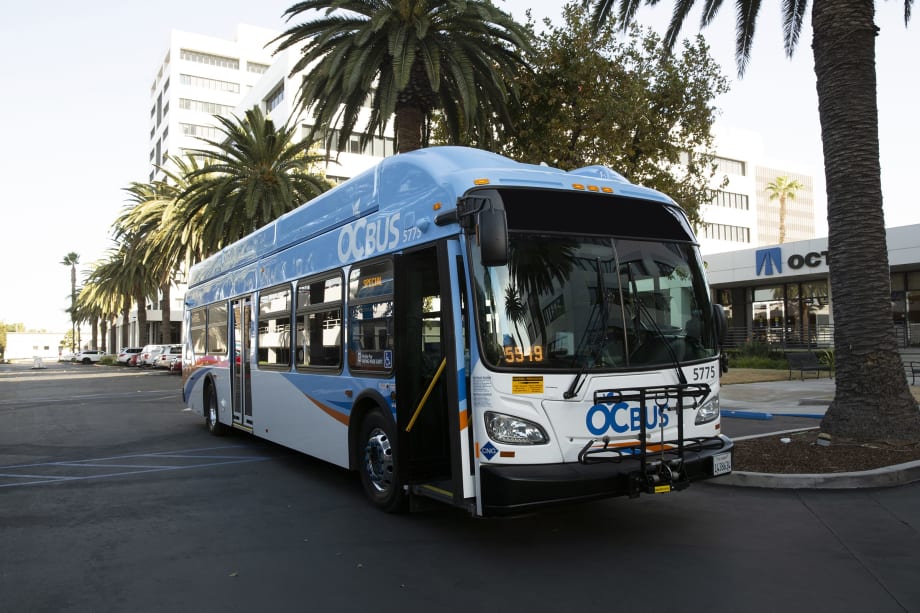
Transit services account for 52% of OCTA’s newly approved $2 billion budget, supporting bus, rail, and Measure M-funded programs across Orange County.
Credit:
Orange County Transportation Authority
2 min to read
- OCTA has approved a $2 billion budget for the fiscal year 2026-27.
- More than half of the budget is allocated to transit investments.
- The plan aims to balance infrastructure investment with maintaining fiscal stability.
*Summarized by AI
The Orange County Transportation Authority (OCTA) board has approved a balanced budget of approximately $2 billion for fiscal year 2026-27, continuing investments in transit, highways, local roads, and mobility projects while emphasizing fiscal stability amid ongoing economic uncertainty.
The spending plan, which takes effect July 1, allocates funding across all transportation modes and supports projects funded through Measure M, Orange County’s half-cent sales tax for transportation improvements.
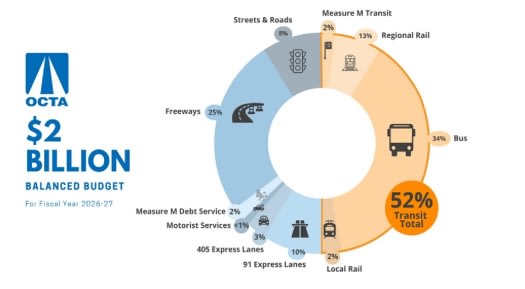
Transit remains the agency’s largest investment category, accounting for 52% of the budget. Funding will support OC Bus operations, Metrolink commuter rail service, local rail operations, and transit programs funded through Measure M. Freeway-related investments represent 25% of the budget, while street and road projects account for 8%.
“At OCTA, we are focused on making strategic investments that improve the way people move today while preparing Orange County for the future,” said OCTA Chair Jamey M. Federico. “This balanced budget demonstrates our commitment to responsible stewardship of taxpayer dollars while continuing to enhance transit service, improve our roads and freeways, and deliver on the promises made to Orange County voters.”
OCTA noted that careful financial planning remains a central component of its strategy as it continues delivering transportation projects and services throughout Orange County.
Source:
Orange County Transportation Authority
Transit Remains Largest Budget Priority for OCTA
Of the agency’s total budget, 34% is dedicated to bus operations and services, 13% to regional rail service, 2% to local rail, and 2% to Measure M transit programs. Additional funding supports the operation of the 91 Express Lanes and 405 Express Lanes, freeway improvement projects, and local street and road enhancements.
Key priorities for the coming fiscal year include maintaining and improving transit service, advancing freeway and roadway projects, supporting regional transportation partnerships, and ensuring the continued operation of Orange County’s express lane network.
Public Transit’s Focus on Financial Stability
The approved budget reflects a trend among transportation agencies seeking to maintain balanced spending plans while navigating uncertain economic conditions and closely monitoring revenue streams. OCTA officials said the agency will continue to "prudently manage" reserves and resources while tracking sales tax and other revenues that support transportation investments.
The agency noted that careful financial planning remains a central component of its strategy as it continues delivering transportation projects and services throughout Orange County.
The FY 2026-27 budget encompasses all transportation services, capital projects, and programs approved by the OCTA board and administered by the agency. According to OCTA, the spending plan positions the agency to continue investing in mobility improvements while maintaining long-term financial stability.
Quick Answers
OCTA has approved a $2 billion budget for the fiscal year 2026-27.
*Summarized by AI
More Management

Q4 Travel Data Reveals Drop in Vehicle Traffic to Manhattan Congestion Zone
NYMTC’s quarterly Travel Patterns Report provides a snapshot of travel activity throughout New York City, Long Island, the Lower Hudson Valley, and northern New Jersey using data collected from the agencies operating the region’s bridges, tunnels, and public transit systems.
Read More →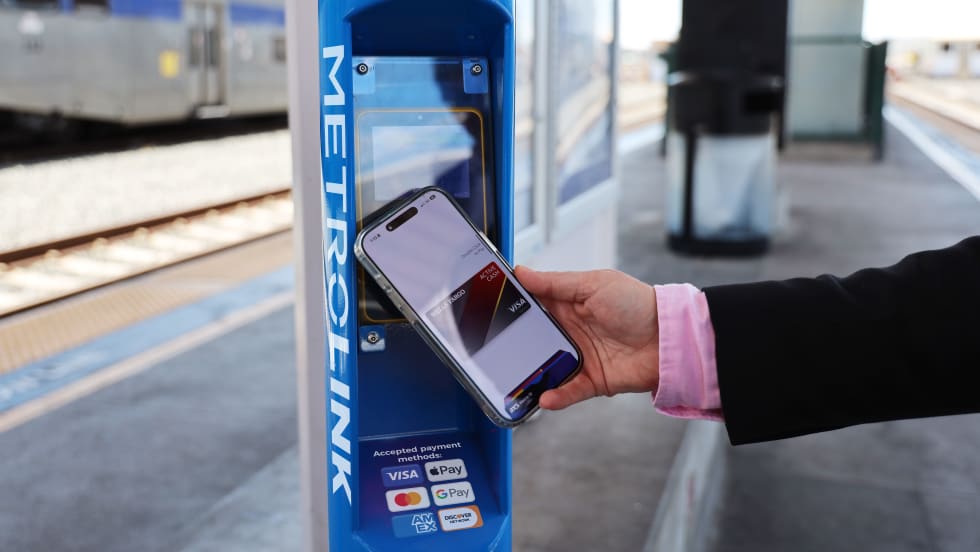
Southern California's Metrolink Debuts Contactless Fare Payment Pilot
Customers traveling between Redlands and Los Angeles can now tap their preferred payment method, including a credit or debit card, mobile wallet, or wearable device, at station validators before boarding and again while exiting.
Read More →
California's BART Approves FY27 Budget While Maintaining Service Levels
The budget covers July 1, 2026, through June 30, 2027, a period when pandemic emergency funds run out, the District faces a structural deficit of $375 million, and a regional transit funding measure may appear on the November ballot.
Read More →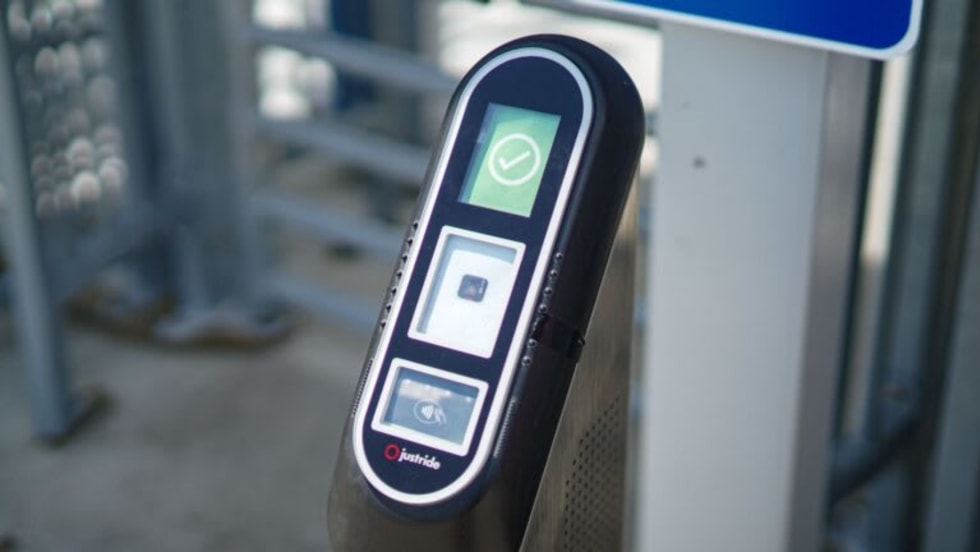
STL Metro Transit To Launch Next-Generation Fare Collection and Security Gates
The St. Louis transit agency will begin the phased rollout of gated station access and integrated fare technology to improve security and the customer experience.
Read More →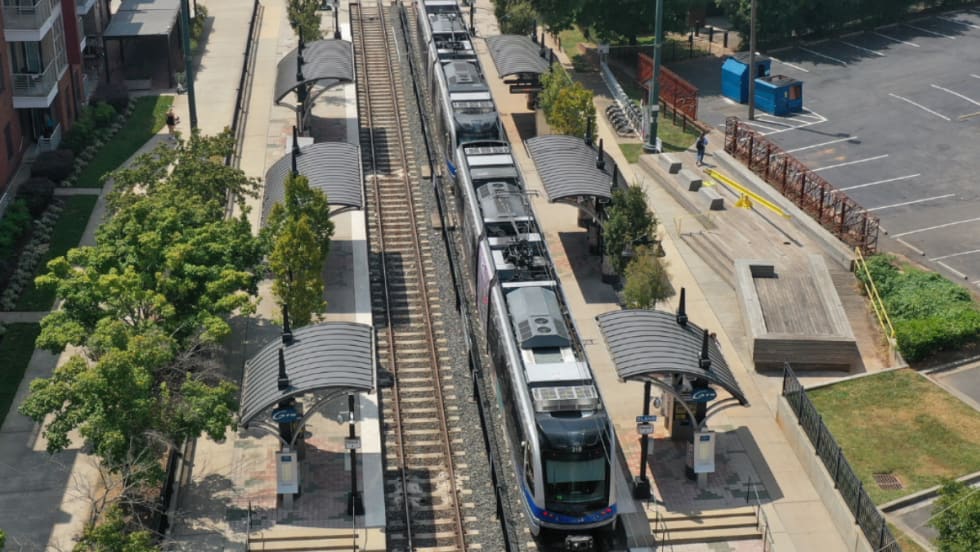
CATS FY27 Budget Prioritizes Safety, Service
New investments in security, service expansion, and rail development aim to improve the rider experience while keeping fares flat.
Read More →
Transit Agencies Nationwide Gear Up to Move World Cup Crowds
As millions of fans prepare to descend on host cities, transit leaders are turning a month-long global event into a proving ground for the future of customer experience, mobility, and crowd management.
Read More →
Joshua Schank on Transportation Innovation, Risk, and the Future of Mobility
In this edition of METROspectives, Joshua Schank discusses lessons from launching LA Metro’s Office of Extraordinary Innovation, the challenges of advancing new mobility technologies, and much more.
Read More →
Reinventing Fleet Maintenance with Real-time Visibility and AI
Transit leaders need to know what needs fixing, where to look, who is responsible, when work is completed, and what it costs without having to chase information across disconnected systems.
Read More →
Alstom Acquires Delaware Site to Support Amtrak NextGen Acela Fleet
The company is investing more than $55 million to acquire and improve the property and will employ approximately 100 people at this site once it is operational.
Read More →
SamTrans Sets Priorities for Potential Connect Bay Area Revenue
The board-approved framework allocates future funding to maintaining service, rider improvements, equity initiatives, and infrastructure repairs.
Read More →