



OCTA Sees Growing Adoption of Wave Fare Payment System
Since launching in October 2025, the Wave system has steadily replaced previous fare media with faster, more flexible payment options designed to streamline boarding, improve reliability, and help riders more easily access fare discounts and cost-saving benefits, said OCTA

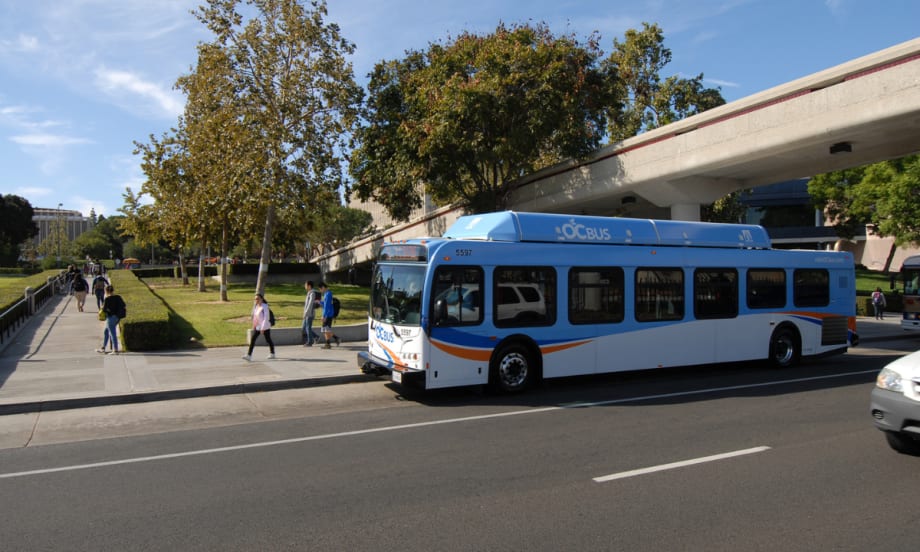
Wave and contactless payments accounted for approximately 31% of OC Bus boardings when the system launched in October 2025. By March 2026, adoption had nearly doubled to 60% and continued growing to approximately 61% in April.
Photo: Orange County Transportation Authority
- OCTA's Wave system, introduced in October 2025, is being increasingly adopted to replace older fare media.
- The new payment options improve boarding times and overall reliability for riders.
- Wave facilitates easier access to fare discounts and cost-saving benefits for users.
*Summarized by AI
California’s Orange County Transportation Authority (OCTA) officials report that adoption of its Wave fare payment system remains strong, with approximately 61% of OC Bus boardings now using Wave cards or contactless payment options as the agency advances efforts to modernize fare collection and improve the transit experience.
Since launching in October 2025, the Wave system has steadily replaced previous fare media with faster, more flexible payment options designed to streamline boarding, improve reliability, and help riders more easily access fare discounts and cost-saving benefits, said OCTA
Wave Adoption
Wave and contactless payments accounted for approximately 31% of OC Bus boardings when the system launched in October 2025. By March 2026, adoption had nearly doubled to 60% and continued growing to approximately 61% in April.
OCTA officials added that during the same period, farebox payments — including cash, magnetic stripe passes, and transfers — declined from 54% of boardings to 39%, reflecting the continued transition to contactless and account-based payment methods.
“The continued growth of the Wave system shows that riders are embracing a more convenient and modern way to pay for transit,” said OCTA Chair Jamey M. Federico. “Wave helps speed up boarding, simplifies fare payment, and ensures riders can more easily take advantage of discounts and features that automatically provide the best value for passengers.”
As of the end of last month, OCTA had more than 255,000 active transit accounts, including approximately 159,000 physical Wave card accounts and 97,000 virtual Wave mobile accounts. The system allows riders to pay using a physical Wave card, the mobile app, or contactless debit and credit cards, including Apple Pay and Google Pay.
Enhancing the Ridership Experience
Wave’s account-based system offers several features designed to enhance convenience for riders, including free two-hour transfers, balance protection, auto-load capabilities, and online account management. Fare capping also ensures riders never pay more than the equivalent daily or monthly fare without needing to pre-purchase passes.
To support accessibility and convenience throughout Orange County, OCTA has expanded the Wave retail network to more than 400 locations countywide — up from 113 retail outlets that previously sold paper passes.
As of April, retail partners processed more than 60,000 Wave card sales and reload transactions, totaling approximately $1.17 million, officials said.
OCTA is also continuing efforts to expand in-person retail access for customers who rely on cash-based transactions, including targeted outreach to additional retailers in the Little Saigon area and other communities throughout Orange County.
All nine Orange County community colleges and three universities now participate in the Wave program, along with 13 social service agencies and 10 employers that help connect riders with transit access and reduced-fare opportunities.
The successful transition follows OCTA’s completion of the phase-out of magnetic-stripe paper passes as of May 1, officials said.
Quick Answers
The Wave system is a fare payment solution launched by OCTA in October 2025, designed to replace previous fare media with faster and more flexible options.
*Summarized by AI
More Technology
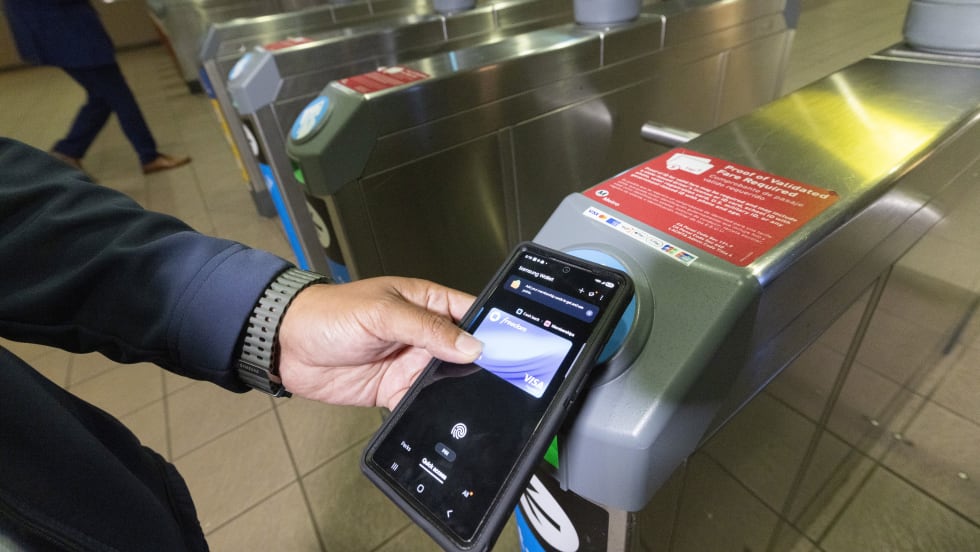
LA Metro Launches New Mobile App, Contactless Payment Options
Available on Metro and at 26 TAP-participating transit agencies, the system reduces waiting times, speeds boarding, and improves convenience systemwide, said the agency.
Read More →
Joshua Schank on Transportation Innovation, Risk, and the Future of Mobility
In this edition of METROspectives, the co-author of New Tricks for Old Bureaucracies, discusses lessons from launching LA Metro’s Office of Extraordinary Innovation, the challenges of advancing new mobility technologies, and much more.
Read More →
Biz Briefs: Foothill Gold Line Award, Matawan Contract, and More
From strategic partnerships to acquisitions and service expansions, the industry continues to evolve at a rapid pace. Find out all the latest here.
Read More →

The Evolving Role of Program Management in Transit Delivery
Brian Buchanan, HDR’s transit program management lead, discusses how agencies can strengthen governance, anticipate risk and deliver large-scale projects more effectively.
Read More →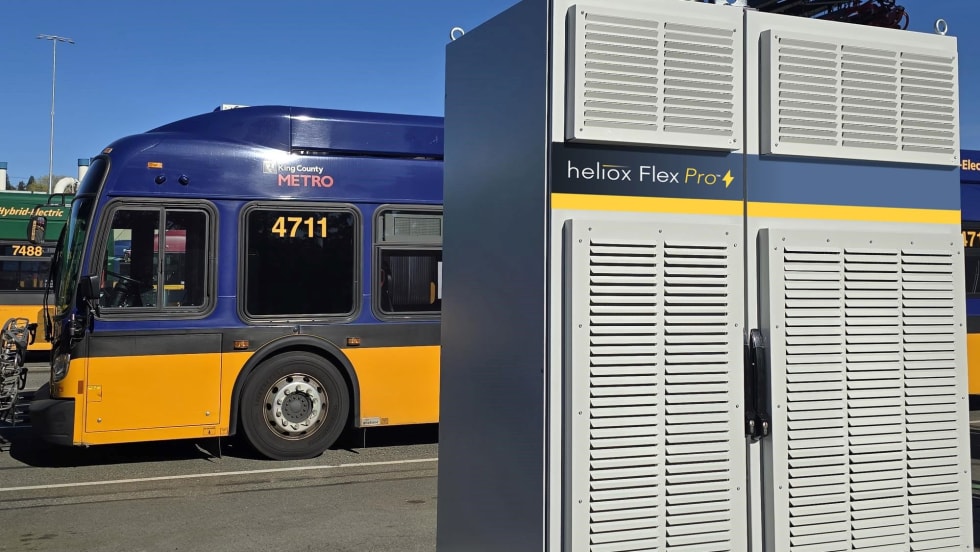
King County Test Heliox Chargers, Keolis Lands California Contract Top Biz Briefs
Stay informed with these quick takes on the projects and companies driving progress across the transportation landscape.
Read More →
Modaxo Acquires Conduent Public Transit Business in $164M Deal
The sale has a purchase price of $164 million. The companies expect the transaction to close before the end of 2026, subject to customary conditions and regulatory approvals.
Read More →
New York MTA Issues RFP for 252 Metro-North Passenger Cars
The competitive RFP includes an option to purchase an additional 377 cars, reserved for future expansions of the Metro-North service area.
Read More →
Spare Expands AI-Native Operations Platform With Fixed-Route Capabilities
The launch marks a major milestone in Spare’s vision for unified transit operations.
Read More →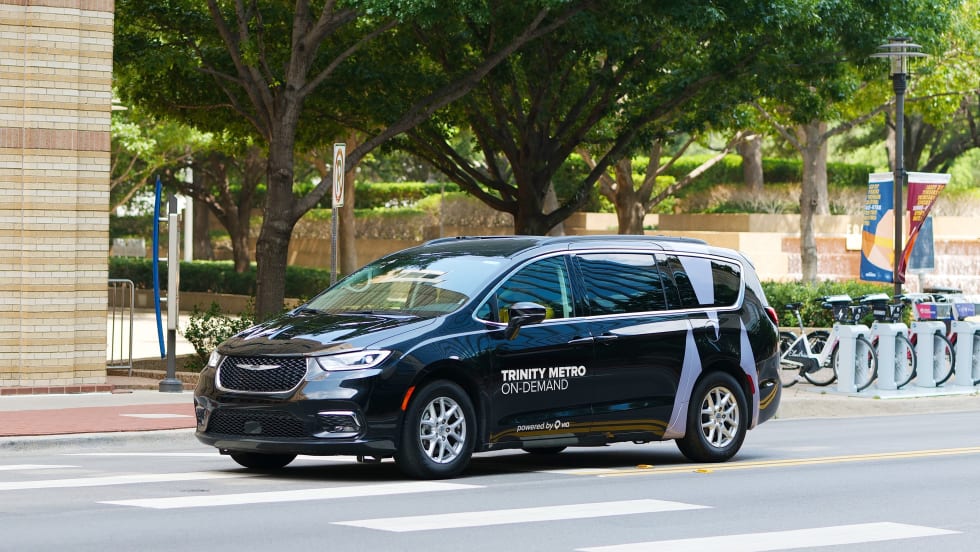
Via Announces Scheduling and Supply Studio
The Scheduling and Supply Studio provides the world’s first fully integrated platform for optimizing vehicle and driver availability to rider demand, said company officials.
Read More →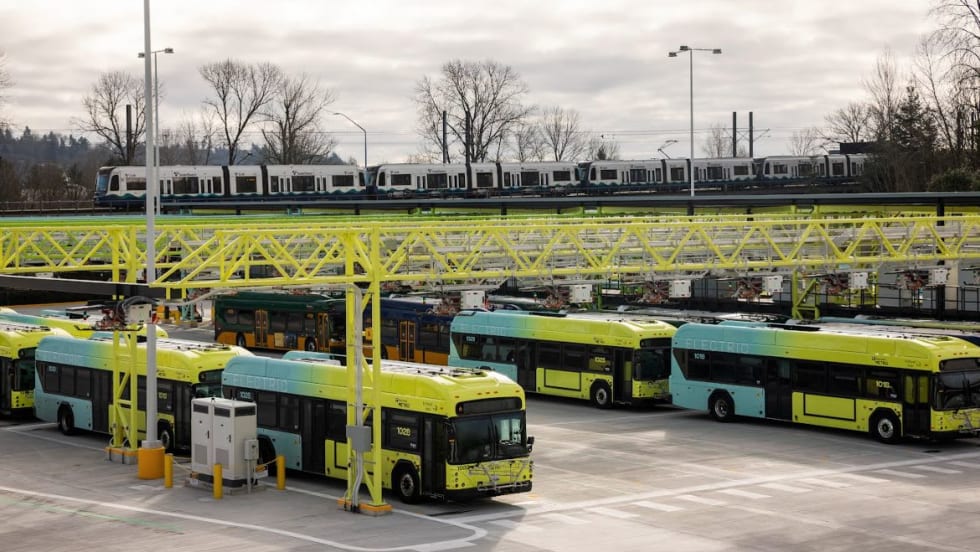
Biz Briefs: King County Metro Taps Schunk Transit Systems for Charging and More
Stay informed with these quick takes on the projects and companies driving progress across the transportation landscape.
Read More →