



Via Announces Scheduling and Supply Studio
The Scheduling and Supply Studio provides the world’s first fully integrated platform for optimizing vehicle and driver availability to rider demand, said company officials.

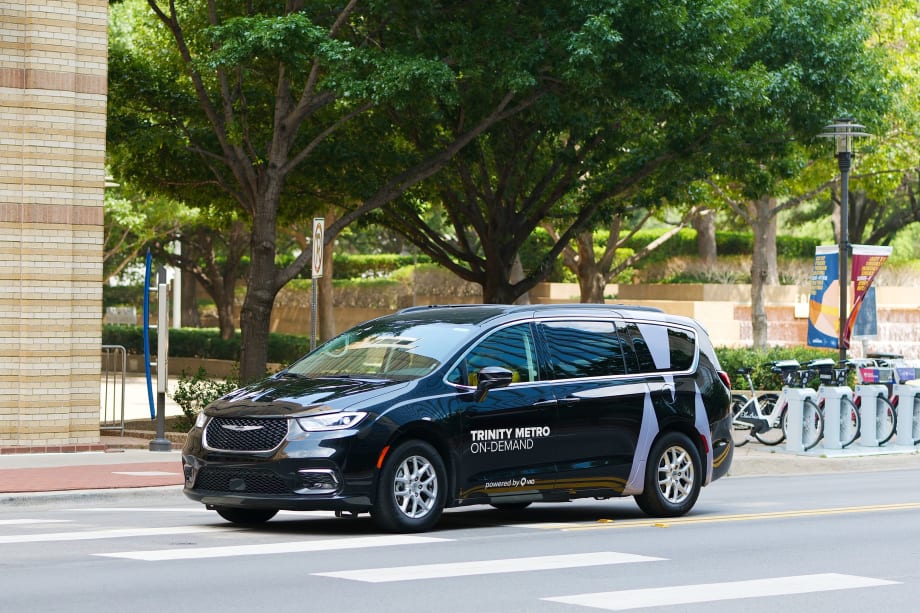
Over the past decade, Via said it has built one of the world’s most comprehensive datasets of real-world transit movement used to train its AI models.
Via
- Via introduced the Scheduling and Supply Studio, an AI-driven platform, to optimize vehicle and driver availability, reducing waste and cutting costs for transit agencies.
- The platform integrates real-time ridership data and forecasting models to tailor supply plans to actual transit conditions.
- Via's platform utilizes a comprehensive dataset from 800-plus transit services to enhance service reliability and efficiency across networks.
*Summarized by AI
Via launched a new Scheduling and Supply Studio platform, which it is calling the first suite of tools designed to leverage AI to help agencies build more efficient supply plans across fixed-route and demand-response services.
The Scheduling and Supply Studio provides the world’s first fully integrated platform for optimizing vehicle and driver availability to rider demand, allowing agencies to reduce waste, cut operating costs, and improve service reliability across their entire network, said Via officials.
The Road to the Finished Product
Over the past decade, Via said it has built one of the world’s most comprehensive datasets of real-world transit movement used to train its AI models.
Billions of data points captured across the 800-plus services Via powers provide invaluable insights into how real-world transit systems behave; combining real-time ridership data with sophisticated forecasting models to ensure that supply is planned for real-world conditions.
The Scheduling and Supply Studio leverages this data to proactively identify scheduling enhancements that minimize dead time and reduce unnecessary guaranteed hours while ensuring timeliness and efficiency of the service.
Key features of the platform include:
- Shared fleet and drivers across modes - Agencies gain efficiencies by scheduling vehicles and drivers across modes in a single platform.
- Optimized supply and demand matching - Real-time ridership and predictive demand enable dynamic supply allocation throughout the day, leading to a better rider experience and higher productivity.
- AI Schedule Builder - Agencies can upload their labor agreements and vehicle and operator constraints, and the AI agent will surface an optimized schedule ready for review and rostering — all from one platform.
“We’re delighted to launch the Scheduling and Supply Studio and empower our customers to make faster and more informed decisions by modeling supply planning scenarios across both fixed-route and demand response networks,” said Nithya Sowrirajan, chief product officer at Via. “This product is the first of its kind in the market, and another key step forward in enabling Via’s platform to power and optimize every facet of public transportation.”
Quick Answers
The main purpose of Via's Scheduling and Supply Studio is to leverage AI to help agencies create more efficient supply plans for fixed-route and demand-response services, optimizing vehicle and driver availability to meet rider demand.
*Summarized by AI
More Technology
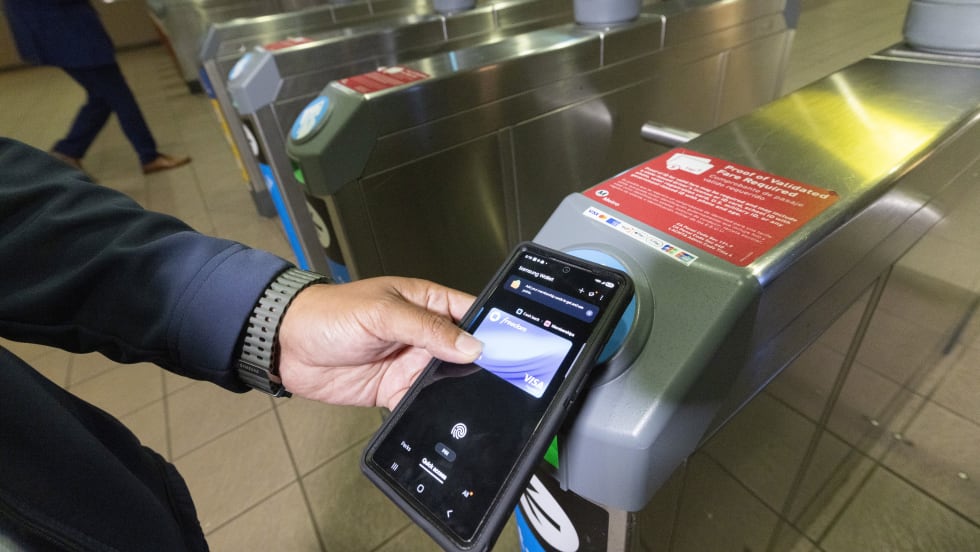
LA Metro Launches New Mobile App, Contactless Payment Options
Available on Metro and at 26 TAP-participating transit agencies, the system reduces waiting times, speeds boarding, and improves convenience systemwide, said the agency.
Read More →
Joshua Schank on Transportation Innovation, Risk, and the Future of Mobility
In this edition of METROspectives, the co-author of New Tricks for Old Bureaucracies, discusses lessons from launching LA Metro’s Office of Extraordinary Innovation, the challenges of advancing new mobility technologies, and much more.
Read More →
Biz Briefs: Foothill Gold Line Award, Matawan Contract, and More
From strategic partnerships to acquisitions and service expansions, the industry continues to evolve at a rapid pace. Find out all the latest here.
Read More →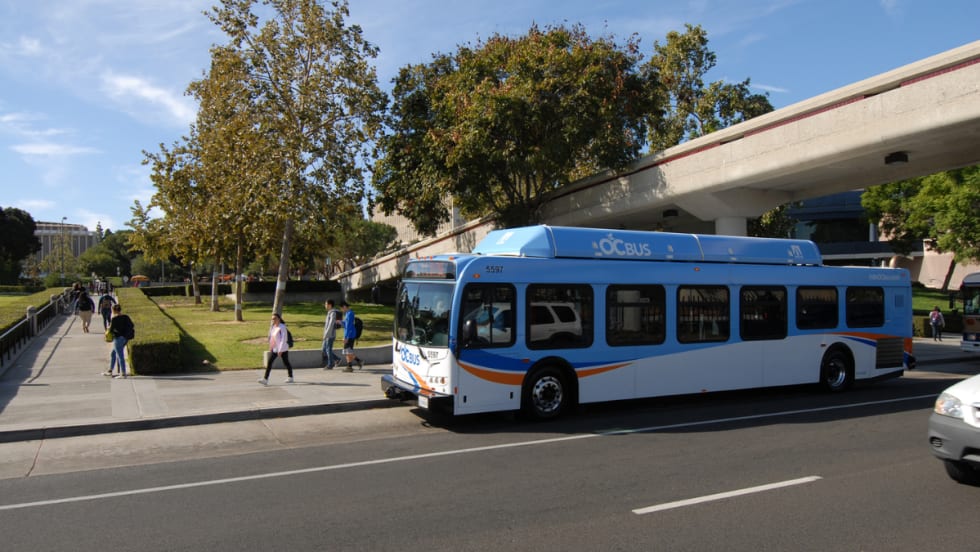
OCTA Sees Growing Adoption of Wave Fare Payment System
Since launching in October 2025, the Wave system has steadily replaced previous fare media with faster, more flexible payment options designed to streamline boarding, improve reliability, and help riders more easily access fare discounts and cost-saving benefits, said OCTA
Read More →
The Evolving Role of Program Management in Transit Delivery
Brian Buchanan, HDR’s transit program management lead, discusses how agencies can strengthen governance, anticipate risk and deliver large-scale projects more effectively.
Read More →
2026 METRO Buyer’s Guide & Directory
Searching for the right vehicles, technology, equipment, or services for your public transit or motorcoach operation? This industry guide brings together manufacturers and suppliers from across the transportation market — all in one place. Download it to connect with the companies that help agencies and operators improve mobility, enhance operations, and move their organizations forward.
Read More →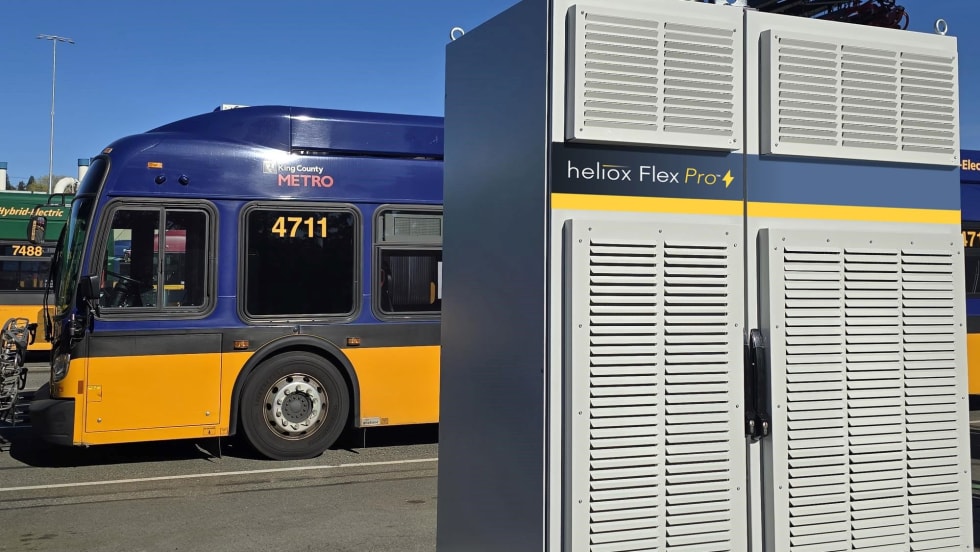
King County Test Heliox Chargers, Keolis Lands California Contract Top Biz Briefs
Stay informed with these quick takes on the projects and companies driving progress across the transportation landscape.
Read More →
Modaxo Acquires Conduent Public Transit Business in $164M Deal
The sale has a purchase price of $164 million. The companies expect the transaction to close before the end of 2026, subject to customary conditions and regulatory approvals.
Read More →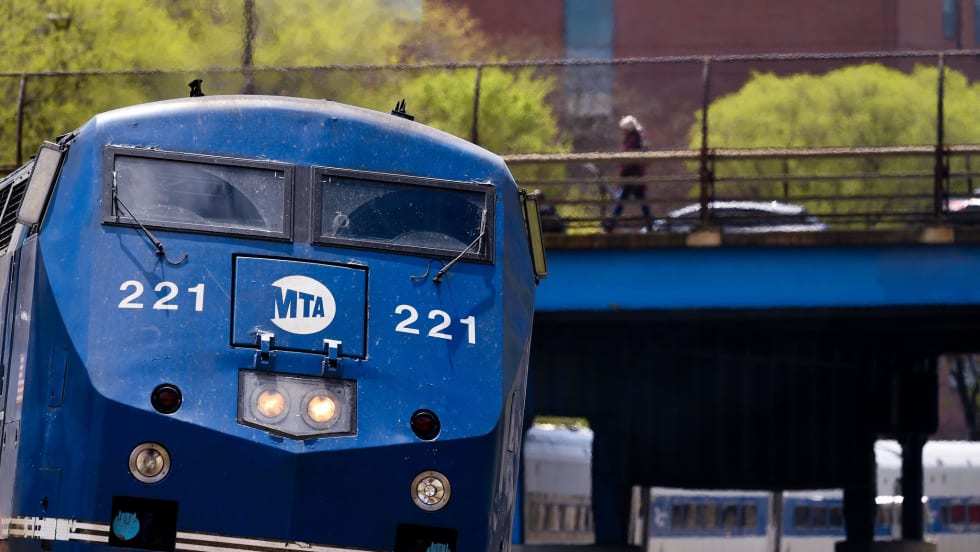
New York MTA Issues RFP for 252 Metro-North Passenger Cars
The competitive RFP includes an option to purchase an additional 377 cars, reserved for future expansions of the Metro-North service area.
Read More →
Spare Expands AI-Native Operations Platform With Fixed-Route Capabilities
The launch marks a major milestone in Spare’s vision for unified transit operations.
Read More →