




Keep Reading: U.S. Zero-Emission Bus Adoption Surpasses 8,000 Vehicles
California's Big Blue Bus Moves Closer to All-Electric Future with $56 Million Investment
The Santa Monica agency’s new charging infrastructure and fleet expansion aim to improve air quality, equity, and long-term system resilience.
April 13, 2026
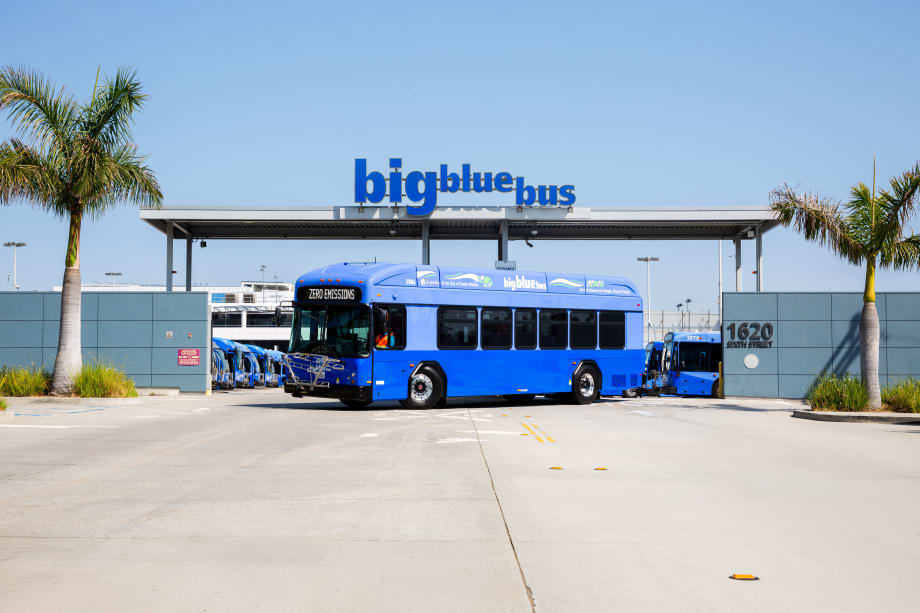
This initiative aligns with Santa Monica’s Sustainable City Plan, which aims to advance the city’s broader sustainability and climate goals.
Credit:
City of Santa Monica
3 min to read
A major investment in clean transit is taking shape in Santa Monica, California. On April 9, officials broke ground on a $56 million project to expand Big Blue Bus’s zero-emission fleet and charging infrastructure, advancing the city’s push toward a fully electric system by 2032.
According to a release, the event brought together public officials, including California Secretary of Transportation Toks Omishakin, agency and city leadership, and project partners to celebrate the start of construction and recognize the collaboration “advancing Santa Monica’s clean transportation future.”
The $56 million investment was largely funded through a $53.3 million grant from the State of California’s Transit and Intercity Rail Capital Program. Infrastructure improvements are well underway, just 18 months after funding was secured.
Project Highlights and Systemwide Benefits
“This is what progress looks like. It’s practical, it’s measurable, and it’s moving us forward,” Mayor Caroline Torosis said. “This systemwide move to cleaner transit is something for our city and residents to be proud of. When transit is reliable and accessible, people choose it, and those choices add up to a healthier, more sustainable city.”
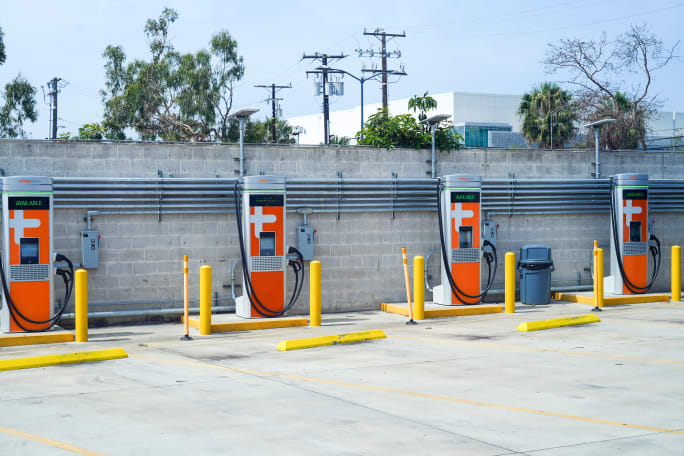
The Santa Monica Department of Transportation hosted a ceremonial groundbreaking event for Big Blue Bus's new zero‑emission fleet and the expansion of the agency's charging infrastructure.
Credit:
City of Santa Monica
Clean transportation enhancements include:
- Charging infrastructure to support a fully zero-emission fleet: Construction of an advanced overhead gantry charging system capable of efficiently powering up to 195 buses.
- Economic opportunity and workforce development: The project supports local job creation through construction, engineering, and electrical work, while also advancing workforce training in clean energy and zero-emission vehicle technologies.
- Equity and community health benefits: Transitioning to zero-emission buses reduces harmful emissions in the communities Big Blue Bus serves, according to the agency, contributing to “improved public health outcomes and more equitable access to clean, reliable transportation.”
- Long-term cost efficiency and system resilience: The agency’s fleet electrification will reduce long-term fuel and maintenance costs while “strengthening operational resilience through modernized infrastructure and energy systems.”
- Accelerating fleet electrification and next-phase milestones: Big Blue Bus currently operates 34 battery-electric buses, marking significant progress toward a zero-emission fleet. With additional vehicles planned for procurement and charging infrastructure construction underway, the agency is advancing toward full systemwide electrification by 2032.
“This project represents more than an infrastructure investment — it’s a transformation of how we deliver transit service,” said Santa Monica Department of Transportation Director Anuj Gupta. “We’re building the foundation for a cleaner, more efficient system that benefits our riders, our workforce, and our community. With strong partnerships and a clear roadmap, Big Blue Bus is well-positioned to deliver a fully zero-emission system.”
This initiative aligns with Santa Monica’s Sustainable City Plan, which aims to advance the city’s broader sustainability and climate goals by reducing greenhouse gas emissions, improving air quality, expanding clean transportation, and fostering a more resilient and equitable community.
More Zero Emissions
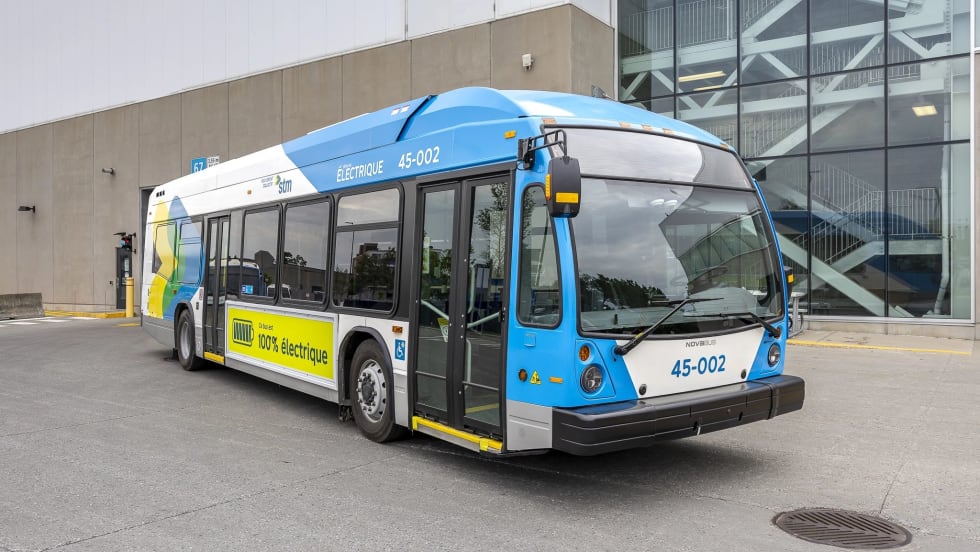
Biz Briefs: Montréal Debuts Nova Electric Buses and More
In this edition of Biz Briefs, we spotlight the latest developments shaping the future of mobility.
Read More →
Sponsored•May 27, 2026
2026 METRO Buyer’s Guide & Directory
Searching for the right vehicles, technology, equipment, or services for your public transit or motorcoach operation? This industry guide brings together manufacturers and suppliers from across the transportation market — all in one place. Download it to connect with the companies that help agencies and operators improve mobility, enhance operations, and move their organizations forward.
Read More →
King County Test Heliox Chargers, Keolis Lands California Contract Top Biz Briefs
Stay informed with these quick takes on the projects and companies driving progress across the transportation landscape.
Read More →
ENC Builds on Legacy with Major Investment, Strategic Reset
Following its 2024 acquisition, ENC is upgrading operations, expanding capacity, and aligning its approach to meet agency demand for reliability and on-time delivery. METRO spoke to John Obert, vice president of transit sales, to find out more.
Read More →
Biz Briefs: King County Metro Taps Schunk Transit Systems for Charging and More
Stay informed with these quick takes on the projects and companies driving progress across the transportation landscape.
Read More →
American Bus Association Files Lawsuit Against NYC Over Bus Idling Rules
The lawsuit, filed in the U.S. District Court for the Southern District of New York, challenges the City’s use of its Citizens Air Complaint program.
Read More →
STV Launches Power Practice and More in Biz Briefs
In METRO's latest installment, we take a look at the latest news from SilverRide, Complete Coach Works, and more.
Read More →
Bus Tech Talk: Part 2 with AC Transit's Cecil Blandon
In Part 2 of a two-part conversation, AC Transit’s director of maintenance joins co-hosts Alex Roman and Mark Hollenbeck to discuss his maintenance team’s work with various types of vehicle, training, augmented reality, and more.
Read More →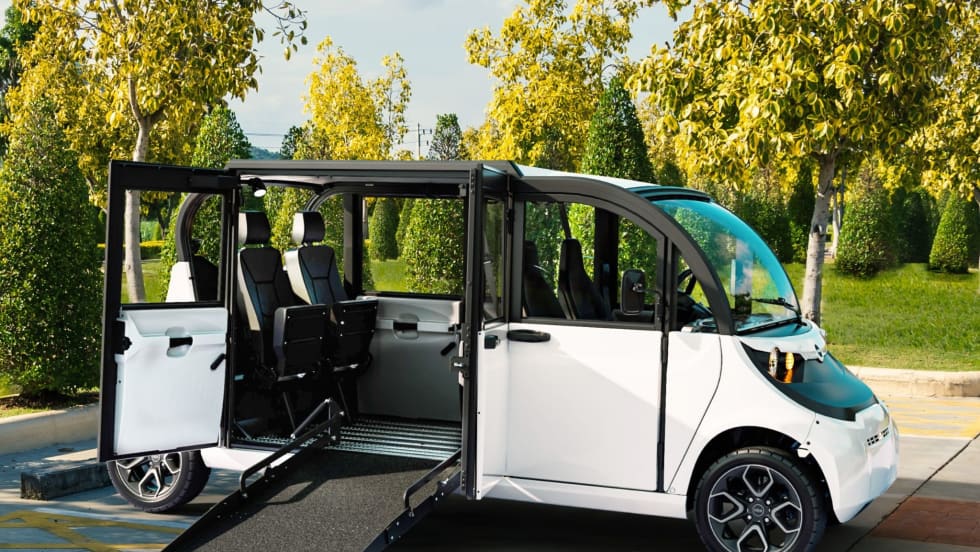
ABC Teams with Waev, Knorr-Bremse in Boston Top Biz Briefs
Stay informed with these quick takes on the projects and companies driving progress across the transportation landscape.
Read More →
Bus Tech Talk: Part 2 with AC Transit’s Cecil Blandon
In Part 2 of a two-part conversation, AC Transit’s director of maintenance joins co-hosts Alex Roman and Mark Hollenbeck to discuss his maintenance team’s work with various types of vehicle, training, augmented reality, and more.
Read More →