



North Carolina's Metropolitan Transit Commission Concludes Decades of Leadership
To commemorate the occasion, current members of the MTC were presented with a custom painting of the Charlotte Transportation Center in Uptown.

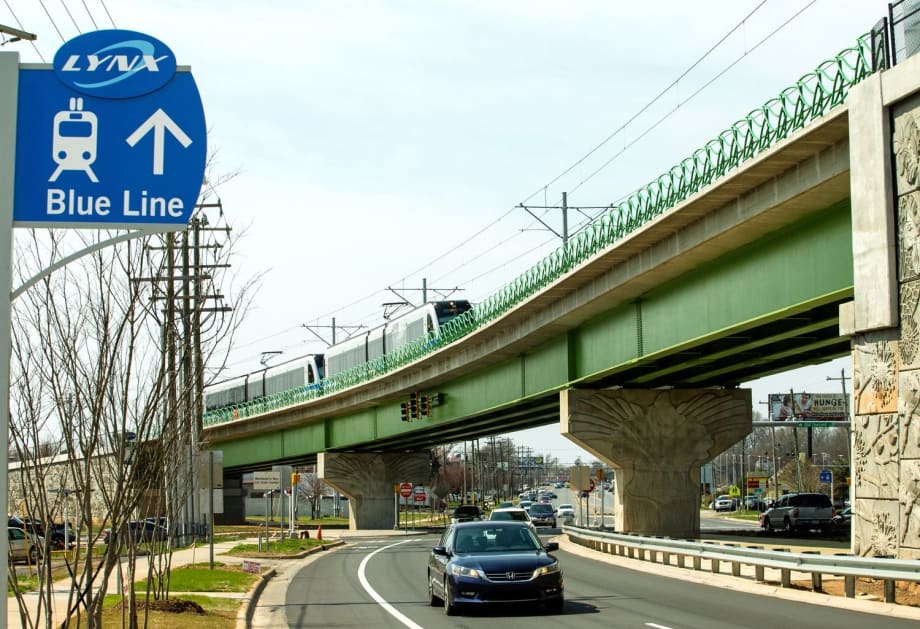
CATS extended its deepest thanks to the MTC for providing decades of “innovative leadership, vision, and thoughtful collaboration,” all of which helped elevate the Greater Charlotte region into a top-tier transit system, officials said.
Photo: CATS
- The Metropolitan Transit Commission (MTC) of Charlotte, North Carolina, held its final meeting as governance transitions to the newly formed Metropolitan Public Transportation Authority (MPTA) on July 1.
- CATS Interim CEO Brent Cagle highlighted the MTC's contributions to the city's economic and cultural development over nearly 30 years, expressing gratitude for their impact on the transit system.
- To honor the MTC's service, members were presented with a custom painting of the Charlotte Transportation Center in Uptown.
*Summarized by AI
Charlotte, North Carolina’s Metropolitan Transit Commission (MTC) conducted its final meeting with the governing body set to officially dissolve on July 1, handing over governance of the Charlotte Area Transit System (CATS) to the newly formed Metropolitan Public Transportation Authority (MPTA).
“For nearly 30 years, the MTC didn’t just plan transit — they built the foundation for our city’s economic and cultural boom,” said CATS Interim CEO Brent Cagle. “As the commission dissolves to hand the baton to the new MPTA, we look back with profound gratitude for their decades of service and ahead with excitement for the transit future they made possible."
To commemorate the occasion, current members of the MTC were presented with a custom painting of the Charlotte Transportation Center in Uptown.
CATS extended its deepest thanks to the MTC for providing decades of “innovative leadership, vision, and thoughtful collaboration,” all of which helped elevate the Greater Charlotte region into a top-tier transit system, officials said.
The MTC’s Legacy
The MTC was formed in 1999 following a voter-approved half-cent sales tax for public transportation.
Under its nearly three decades of guidance, the commission transformed Charlotte from a bus-only city into a multimodal, rail-connected metropolitan region. Key historic milestones include:
- The Creation of CATS (2000): Following its inception, the MTC orchestrated the consolidation of the Charlotte Transit bus system with regional planning bodies. This officially birthed CATS as it operates today, establishing unified, countywide bus service operations and establishing a collaborative governance framework among Charlotte, Mecklenburg County, and its six surrounding suburban towns.
- Adopting the 2030 Transit Corridor System Plan (2006): The MTC adopted a visionary master plan that laid the literal tracks for Charlotte's future. It was grounded in an integrated land use and transit vision, outlining rapid transit goals for five major growth corridors: the Blue Line (South/Northeast), the Gold Line (Streetcar), the Red Line (North), the Silver Line (Southeast/West), and an expanded bus rapid transit network.
- Launching the LYNX Blue Line (2007): The MTC oversaw the completion of the initial 9.6-mile leg of the Blue Line light rail line, stretching from I-485/South Boulevard to Uptown. Hailed as the first major rapid rail service of its kind in North Carolina, it triggered an unprecedented, multi-billion-dollar explosion of transit-oriented development that completely reshaped neighborhoods like South End.
- Opening the Blue Line Extension (2018): The MTC successfully managed funding, planning, and the opening of the $1.1 billion Extension. This added 9.3 miles of track, seamlessly connecting Uptown Charlotte to the University of North Carolina at Charlotte (UNC Charlotte) and providing high-capacity transit access to high-growth areas such as NoDa and University City.
- Implementation of the CityLYNX Gold Line Streetcar (2015 & 2021): The MTC expanded urban mobility options by implementing Charlotte's modern streetcar system in two phases. Phase 1 (2015) connected the Uptown transportation center to the historic Cherry and First Ward neighborhoods, while Phase 2 (2021) extended the line to a full four-mile route, linking French Street near Johnson C. Smith University in the west to Sunnyside Avenue in Plaza Midwood to the east.
- Mecklenburg County’s First Microtransit Service (May 2022): The MTC officially adopted the Better Bus Plan, which introduced microtransit as a core initiative to address "first-mile, last-mile" connection challenges and to convert less-used fixed routes into flexible, on-demand service.
- Securing the Norfolk Southern O-Line for the Red Line (2024): In a historic milestone championed by Charlotte city leaders, the City of Charlotte officially acquired the 22-mile Norfolk Southern "O-Line" rail corridor in September 2024. This monumental purchase finally unlocked the right-of-way needed to advance the long-awaited Red Line commuter rail.
- Approval of 2055 Transit System Plan (May 2025): The 2055 Transit System Plan, adopted by the MTC, serves as a long-range blueprint for expanding and modernizing transit across the greater Charlotte region. The plan balances near-term bus service improvements with a long-term, phased buildout of rapid transit rail corridors. Overall, it plans for a 50% increase in bus service and 43 additional miles of rail.
Quick Answers
The Metropolitan Transit Commission is dissolving on July 1, with its responsibilities being transferred to the new Metropolitan Public Transportation Authority (MPTA).
*Summarized by AI
More Management
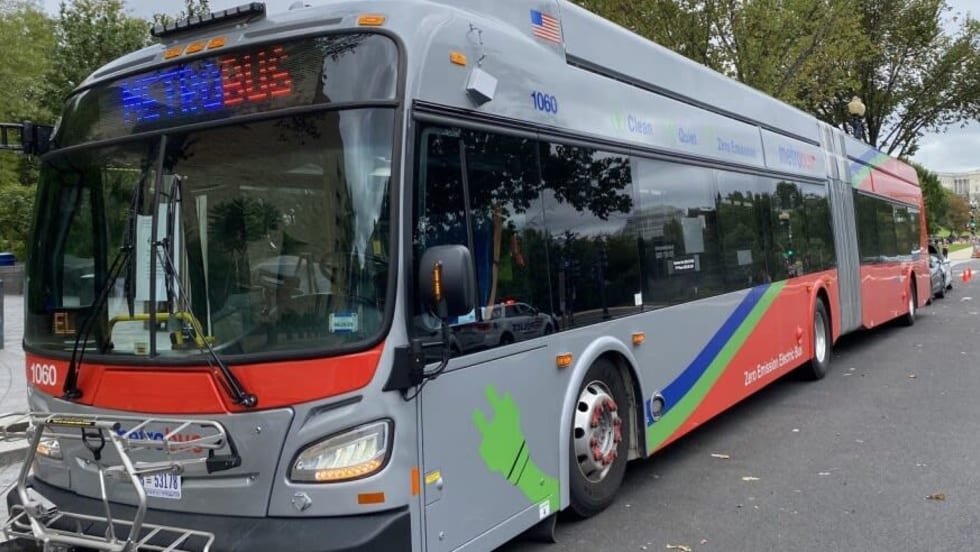
WMATA Debuts 'Fares Pay for Service' Awareness Campaign
The campaign was highlighted during a media event at the Paul S. Sarbanes Transit Center in Silver Spring, where WMATA’s GM/CEO Randy Clarke joined Metro Transit Police officers, WMATA management team, board members, and staff to expand fare enforcement and customer education efforts on Metro Bus routes throughout the region.
Read More →
Managing Complexity: HDR’s Brian Buchanan on Delivering Major Transit Programs
HDR’s transit program management lead discusses the challenges of overseeing large capital projects, adapting to cost and supply chain pressures, and the capabilities agencies need to build for the future.
Read More →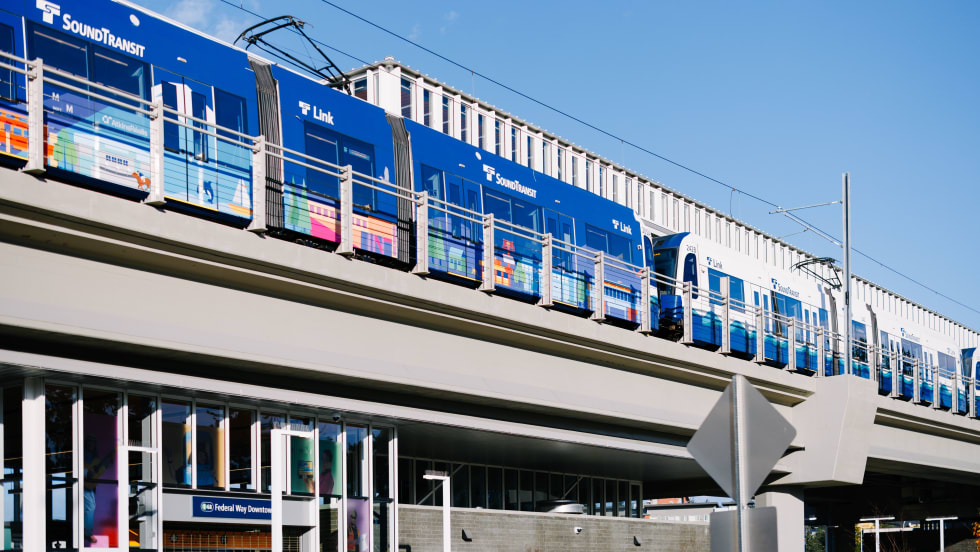
Seattle’s Sound Transit Adopts Updated ST3 System Plan
The updated system plan incorporates cost savings across the agency, including new revenue sources and financial policies, to set the agency on a sustainable path for the future.
Read More →
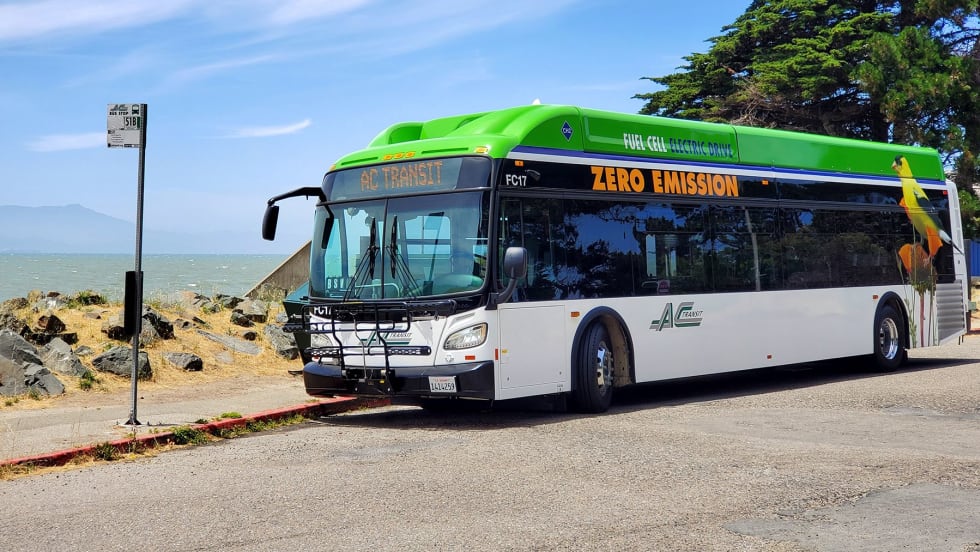
Audit Finds Regional Coordination Across California's East Bay Transit Agencies
The State Auditor further concluded that while collaboration among transit agencies is functioning, the Bay Area’s public transportation systems face mounting structural fiscal pressures that threaten future service levels if sustainable funding solutions are not secured.
Read More →
Biz Briefs: Foothill Gold Line Award, Matawan Contract, and More
From strategic partnerships to acquisitions and service expansions, the industry continues to evolve at a rapid pace. Find out all the latest here.
Read More →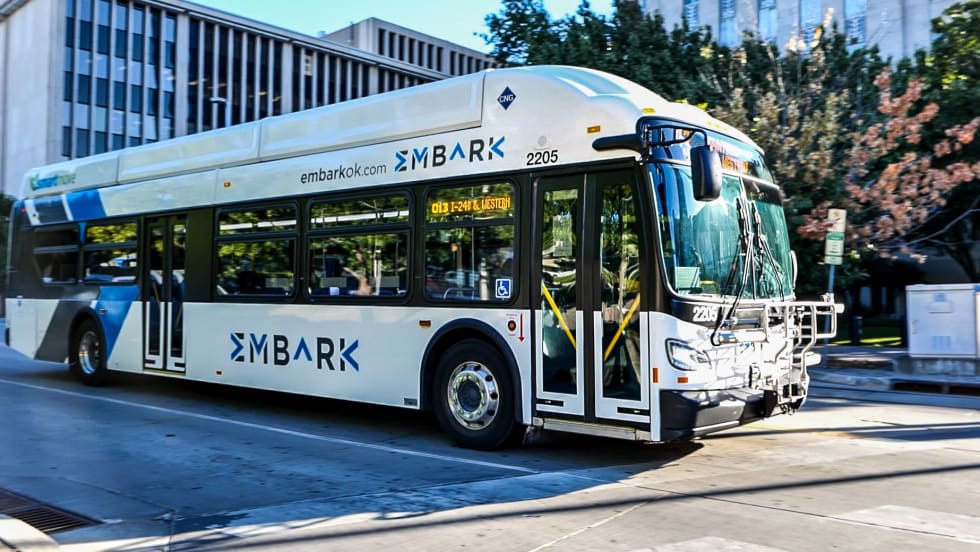
Inside Look: EMBARK Expands Fare-Free Transit Program Through New Public-Private Partnership
The OKC transit agency says sponsorship helps subsidize the Third Friday Free initiative while reducing barriers for first-time riders and boosting ridership across buses, streetcars, and river cruises.
Read More →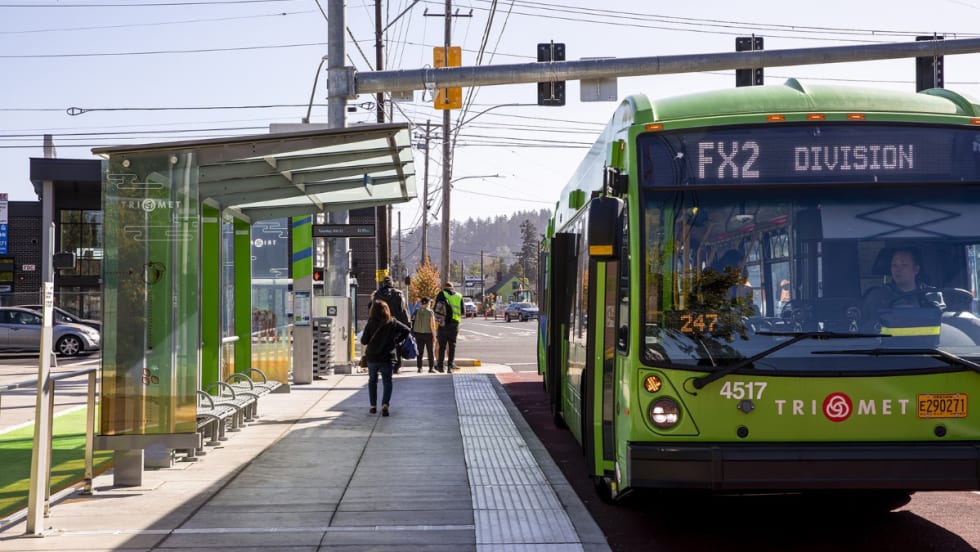
Oregon's TriMet Adopts Major Budget Cuts to Address Financial Shortfall
The board adopted the agency’s fiscal year 2027 budget, approving approximately $64.5 million in spending reductions, including about $53 million in administrative cuts and roughly $11 million in service reductions.
Read More →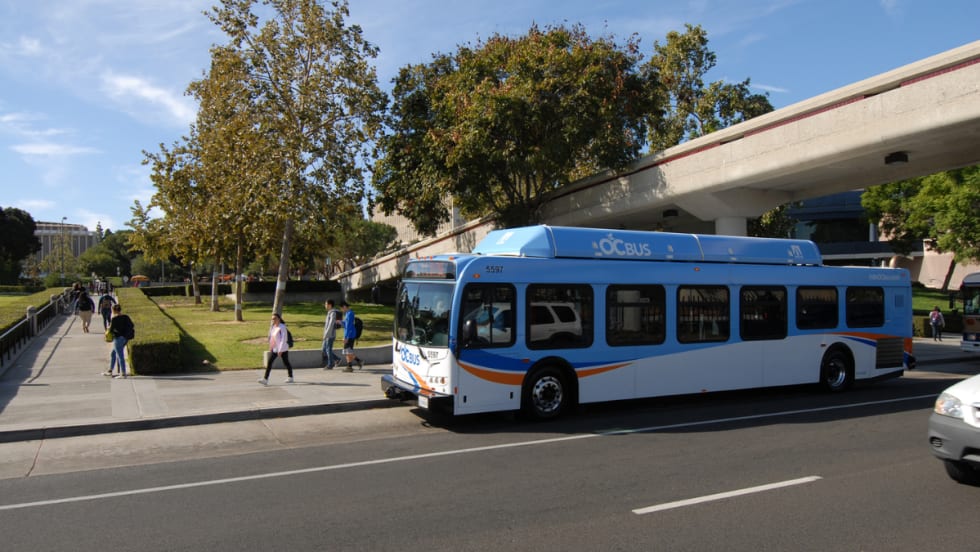
OCTA Sees Growing Adoption of Wave Fare Payment System
Since launching in October 2025, the Wave system has steadily replaced previous fare media with faster, more flexible payment options designed to streamline boarding, improve reliability, and help riders more easily access fare discounts and cost-saving benefits, said OCTA
Read More →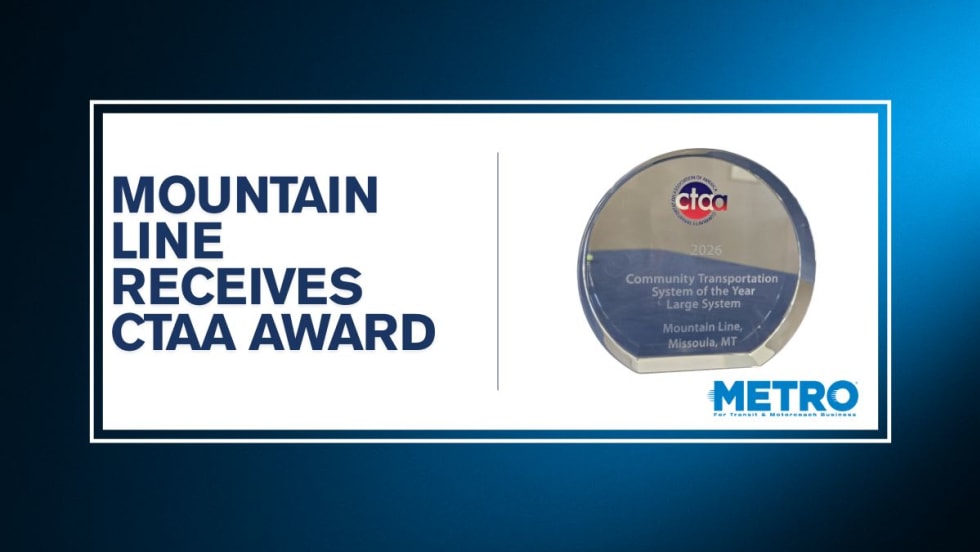
Montana's Mountain Line Named Nation’s Best Transit System by CTAA
The award was presented to Mountain Line representatives at the CTAA Expo in mid-May, with bus operator Bryan Ursery, who has worked at Mountain Line for more than two decades, accepting the award on the agency's behalf.
Read More →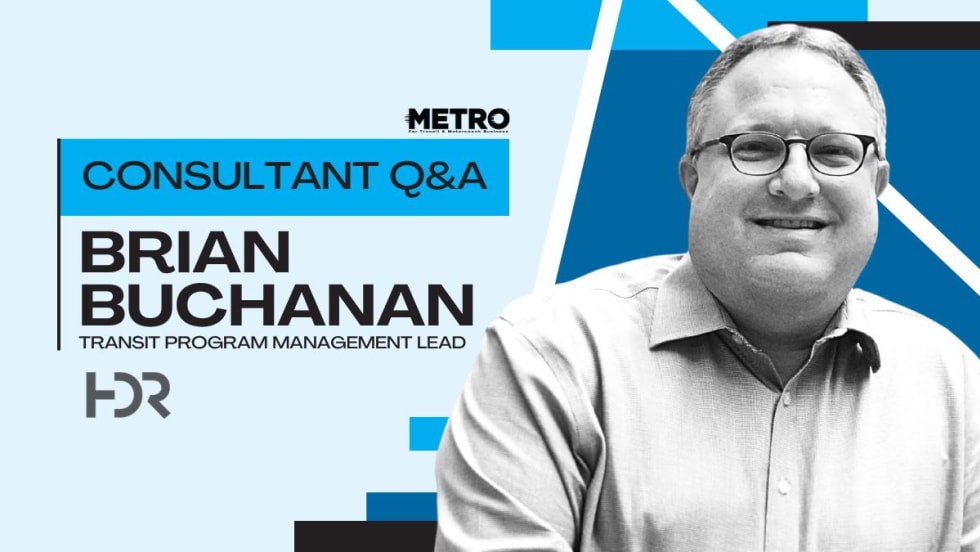
The Evolving Role of Program Management in Transit Delivery
Brian Buchanan, HDR’s transit program management lead, discusses how agencies can strengthen governance, anticipate risk and deliver large-scale projects more effectively.
Read More →