



Oregon's TriMet Adopts Major Budget Cuts to Address Financial Shortfall
The board adopted the agency’s fiscal year 2027 budget, approving approximately $64.5 million in spending reductions, including about $53 million in administrative cuts and roughly $11 million in service reductions.

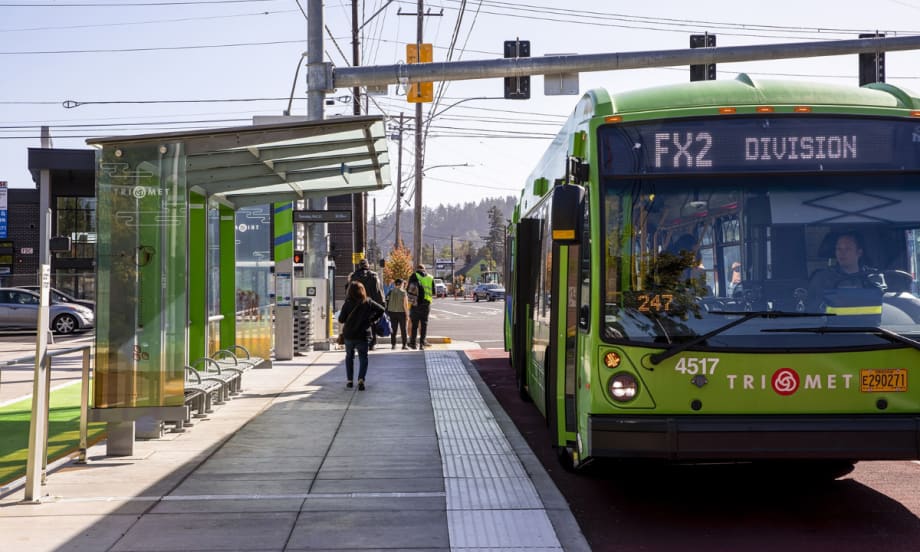
TriMet will also reduce service beginning Aug. 23, implementing changes to 33 lines previously approved by the board.
Photo: TriMet
- TriMet's board approved a budget for fiscal year 2027 with $64.5 million in spending reductions.
- The budget cuts include approximately $53 million in administrative expenses.
- There will be about $11 million in service reductions as part of the budget cuts.
*Summarized by AI
Portland, Oregon’s TriMet will implement major spending reductions and a historic staffing cut beginning July 1, as the agency works to address a growing structural budget deficit while maintaining core transit service across the region.
The TriMet board adopted the agency’s fiscal year 2027 budget, approving approximately $64.5 million in spending reductions, including about $53 million in administrative cuts and roughly $11 million in service reductions.
The adopted budget totals $1.75 billion, with $1.14 billion allocated for operations, service, maintenance, and capital projects. TriMet officials said the budget relies on $127 million in reserve funds to help close the gap between expenses and revenues.
The agency first announced a $300 million structural deficit in July 2025. Despite earlier spending cuts, staffing reductions, and postponed service expansions that generated approximately $150 million in savings, the agency said rising operating costs and lagging revenues have continued to widen the financial gap.
“We at TriMet have made historic investments in security, cleaning, and promoting service to increase ridership, but we must now resize our agency to reflect our current financial reality,” said GM Sam Desue Jr., in a statement.
Staffing and Service Reductions
A significant portion of the budget reductions will come through staffing cuts.
Beginning in the first quarter of FY2027, TriMet plans to eliminate approximately 400 positions, including about 140 currently vacant roles. Of the remaining affected positions, many union employees will have opportunities to return to previously held positions under agreements with Amalgamated Transit Union Local 757, said officials.
The agency estimates roughly 170 employees — including about 100 nonunion and 70 union workers — could face layoffs.
Combined with earlier reductions implemented in fall 2025, TriMet’s workforce will decline by more than 500 positions since July 2025.
Total budgeted positions will decrease from 3,708 to 3,204 once the latest reductions take effect.
TriMet will also reduce service beginning Aug. 23, implementing changes to 33 lines previously approved by the board.
The adjustments include eliminating two bus lines, shortening the MAX Green Line, and modifying routes to focus service in higher-ridership areas. The changes will reduce weekly bus service hours by approximately 3.1% and weekly MAX service hours by 8.7%.
The agency said additional rounds of service reductions could be considered next year as it continues evaluating long-term financial sustainability.
Rising Costs, Slower Revenue Growth
TriMet said operating costs have increased approximately 56% between 2019 and 2025, driven by higher prices for fuel, materials, equipment, and contracted services.
Fuel costs alone have risen sharply in 2026, with the agency citing impacts related to the situation in Iran.
At the same time, ridership remains about 30% below pre-pandemic levels despite a fare increase implemented in 2024. Payroll tax revenues — a key funding source for Oregon transit agencies — have also lagged due to high unemployment and slower economic growth in the region.
TriMet and other Oregon transit agencies had advocated for increased transit funding through the Statewide Transportation Improvement Fund (STIF). However, the Oregon Legislature did not approve a broader transportation funding package during the 2025 regular session, and a temporary STIF increase approved during a later special session was subsequently rejected by voters through Measure 120 in May 2026.
“This is a challenging time — not only for TriMet but for the region,” Desue said. “We urge lawmakers to join the Oregon Transit Association and us in seeking new strategies to address sustainable public transit funding.”
Continuing Investment in Safety, Reliability
Despite the cuts, officials said it will continue investing in safety and state-of-good-repair projects.
The FY2027 budget includes $217 million for capital projects, including $103.2 million dedicated to maintaining and modernizing buses, trains, and light rail infrastructure.
The agency also said its Security Operations Center, supported by more than 3,500 live-feed cameras and partnerships with local law enforcement agencies, will continue operating 24/7. According to TriMet, the center has contributed to faster response times and improved de-escalation efforts across the transit system.
Quick Answers
TriMet adopted major budget cuts to address a financial shortfall in its fiscal year 2027 budget.
*Summarized by AI
More Management
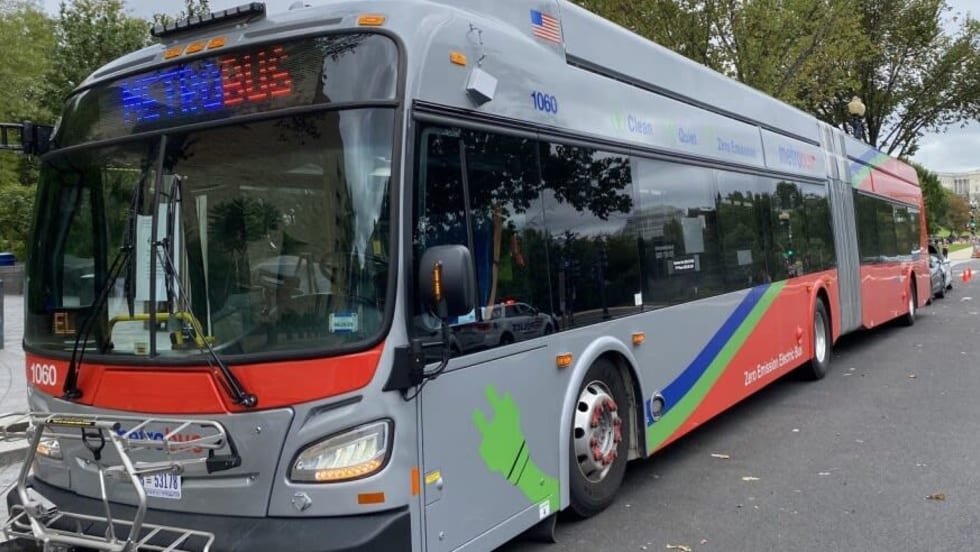
WMATA Debuts 'Fares Pay for Service' Awareness Campaign
The campaign was highlighted during a media event at the Paul S. Sarbanes Transit Center in Silver Spring, where WMATA’s GM/CEO Randy Clarke joined Metro Transit Police officers, WMATA management team, board members, and staff to expand fare enforcement and customer education efforts on Metro Bus routes throughout the region.
Read More →
Managing Complexity: HDR’s Brian Buchanan on Delivering Major Transit Programs
HDR’s transit program management lead discusses the challenges of overseeing large capital projects, adapting to cost and supply chain pressures, and the capabilities agencies need to build for the future.
Read More →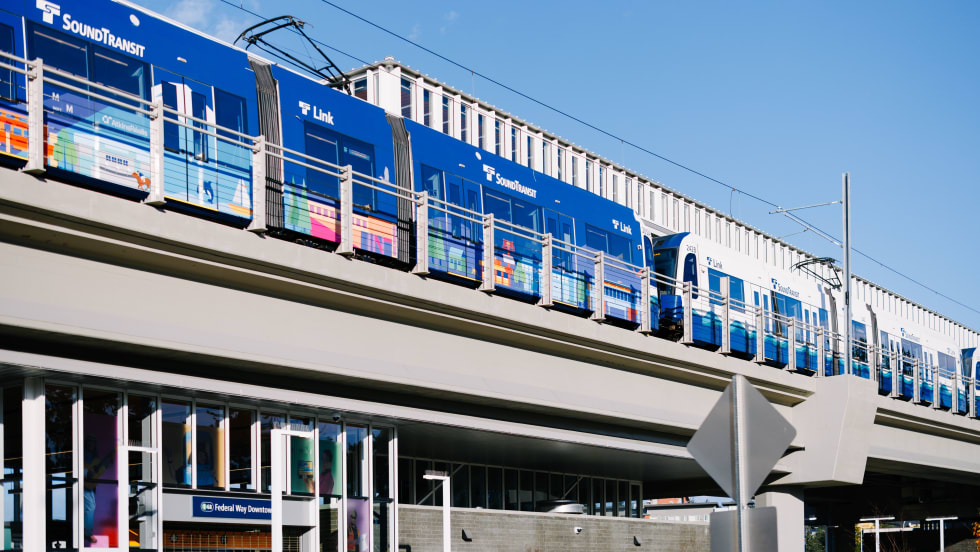
Seattle’s Sound Transit Adopts Updated ST3 System Plan
The updated system plan incorporates cost savings across the agency, including new revenue sources and financial policies, to set the agency on a sustainable path for the future.
Read More →
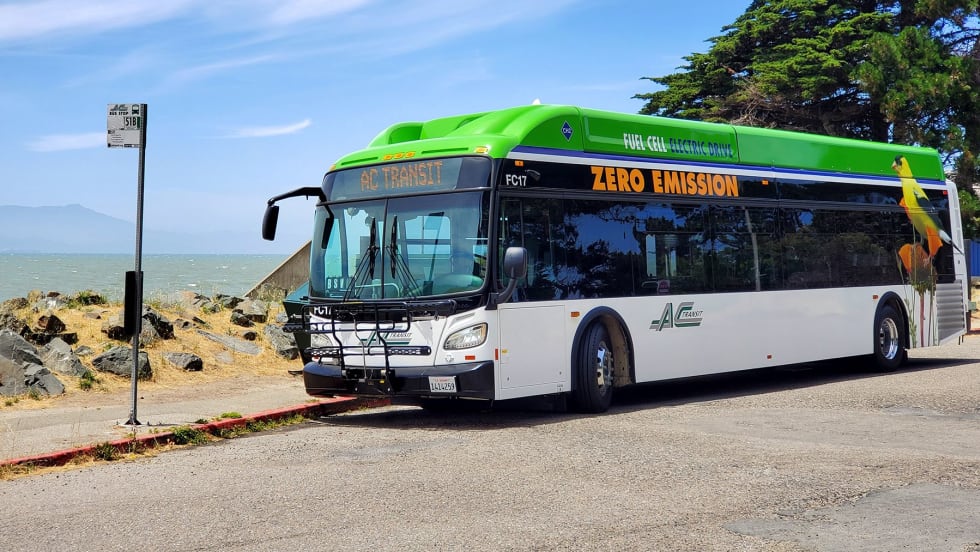
Audit Finds Regional Coordination Across California's East Bay Transit Agencies
The State Auditor further concluded that while collaboration among transit agencies is functioning, the Bay Area’s public transportation systems face mounting structural fiscal pressures that threaten future service levels if sustainable funding solutions are not secured.
Read More →
Biz Briefs: Foothill Gold Line Award, Matawan Contract, and More
From strategic partnerships to acquisitions and service expansions, the industry continues to evolve at a rapid pace. Find out all the latest here.
Read More →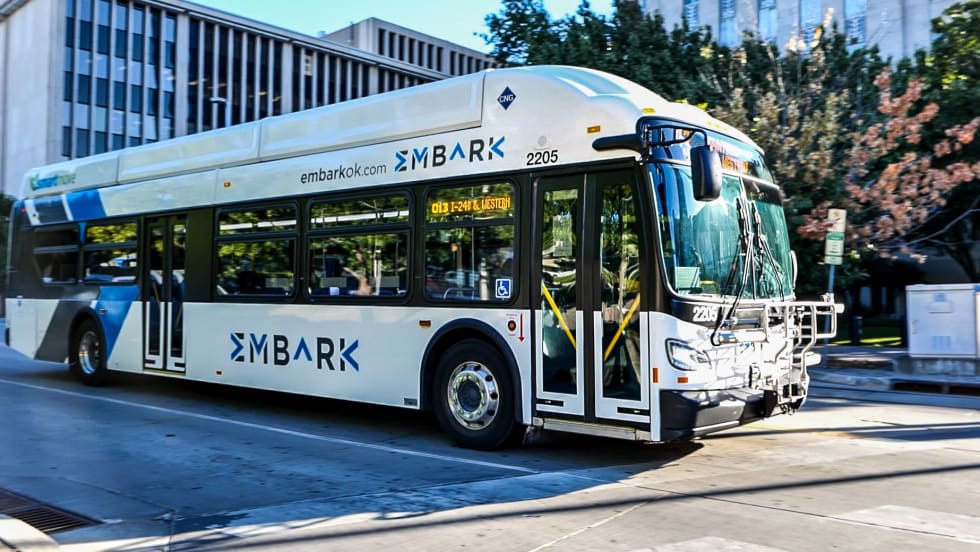
Inside Look: EMBARK Expands Fare-Free Transit Program Through New Public-Private Partnership
The OKC transit agency says sponsorship helps subsidize the Third Friday Free initiative while reducing barriers for first-time riders and boosting ridership across buses, streetcars, and river cruises.
Read More →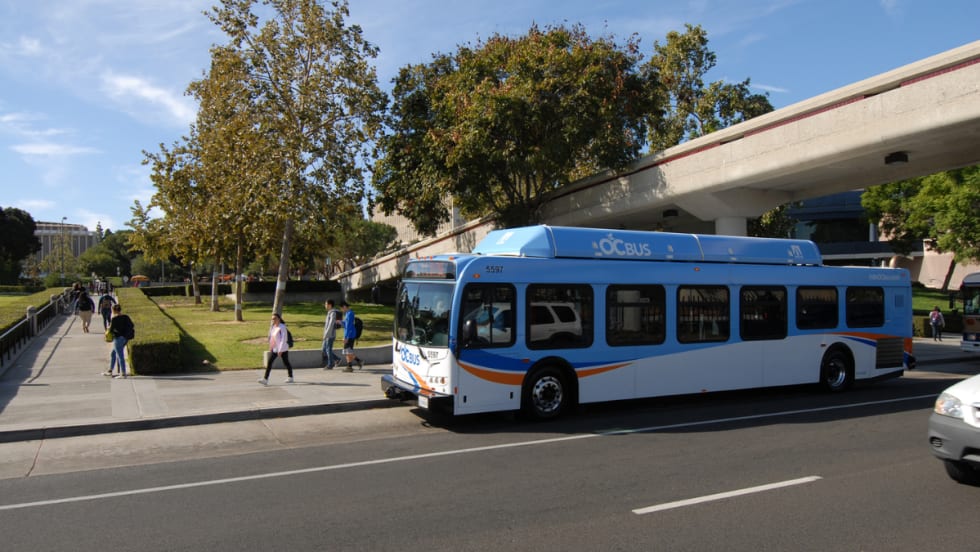
OCTA Sees Growing Adoption of Wave Fare Payment System
Since launching in October 2025, the Wave system has steadily replaced previous fare media with faster, more flexible payment options designed to streamline boarding, improve reliability, and help riders more easily access fare discounts and cost-saving benefits, said OCTA
Read More →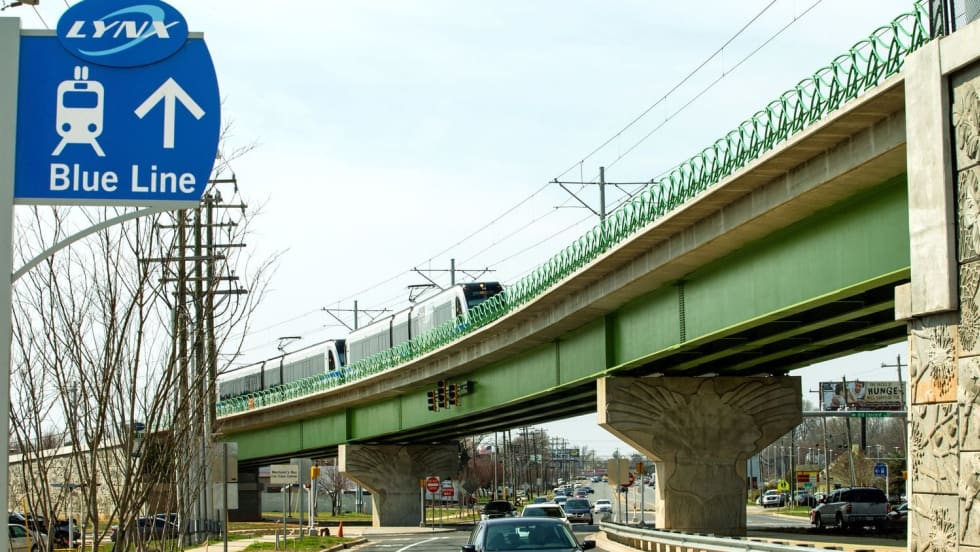
North Carolina's Metropolitan Transit Commission Concludes Decades of Leadership
To commemorate the occasion, current members of the MTC were presented with a custom painting of the Charlotte Transportation Center in Uptown.
Read More →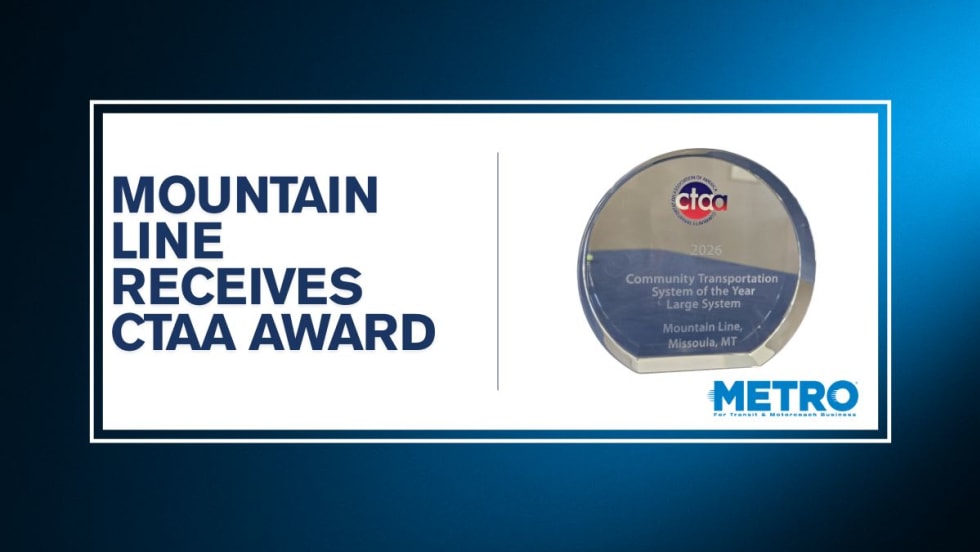
Montana's Mountain Line Named Nation’s Best Transit System by CTAA
The award was presented to Mountain Line representatives at the CTAA Expo in mid-May, with bus operator Bryan Ursery, who has worked at Mountain Line for more than two decades, accepting the award on the agency's behalf.
Read More →
The Evolving Role of Program Management in Transit Delivery
Brian Buchanan, HDR’s transit program management lead, discusses how agencies can strengthen governance, anticipate risk and deliver large-scale projects more effectively.
Read More →