



Seattle’s Sound Transit Adopts Updated ST3 System Plan
The updated system plan incorporates cost savings across the agency, including new revenue sources and financial policies, to set the agency on a sustainable path for the future.

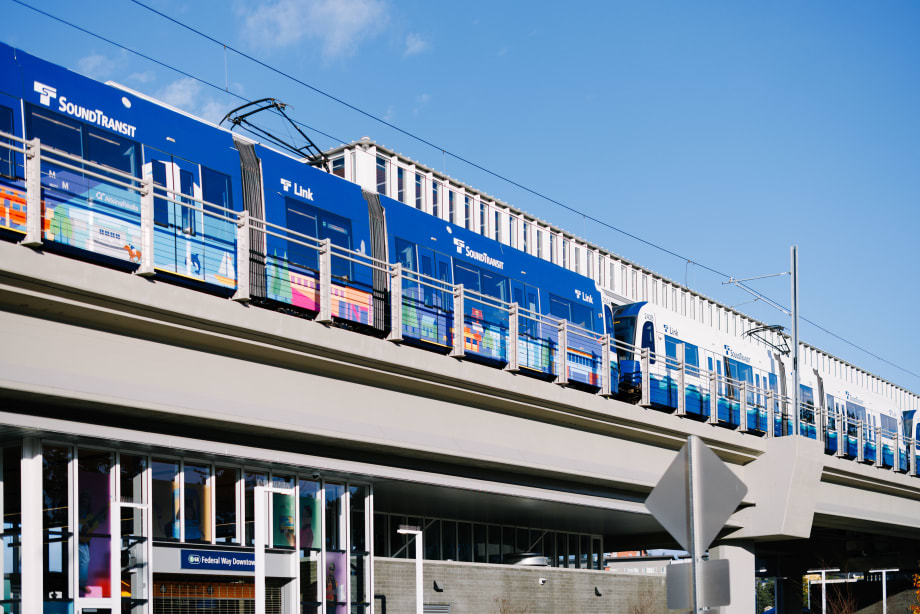
Sound Transit officials said the agency is committed to delivering the ST3 projects as efficiently as possible and will continue to seek cost efficiencies and ways to make projects more affordable and move them forward in the delivery pipeline.
Photo: Sound Transit
- Seattle's Sound Transit has updated its ST3 System Plan to incorporate significant cost savings.
- The plan includes new revenue sources aimed at enhancing financial stability.
- The agency is implementing fresh financial policies to ensure a sustainable future.
*Summarized by AI
A year after launching the Enterprise Initiative to address rapidly rising capital and operating costs and affordably deliver the objectives of the ST3 program voters approved in 2016, Seattle’s Sound Transit board adopted an updated system plan, which will keep light rail projects moving by building projects that are ready for construction and advancing projects already in the planning process.
The updated system plan incorporates cost savings across the agency, including new revenue sources and financial policies, to set the agency on a sustainable path for the future.
What’s Next?
Sound Transit officials said the agency is committed to delivering the ST3 projects as efficiently as possible and will continue to seek cost efficiencies and ways to make projects more affordable and move them forward in the delivery pipeline.
Sound Transit said it will also aggressively compete for federal and state funding, pursue additional legislative tools to increase available debt and bonding capacity, and partner with local jurisdictions to improve permitting and construction to accelerate timelines.
“This resolution reflects both realism and optimism — addressing today’s financial pressures while preserving our long-term commitment to delivering the regional transit system voters approved,” said Sound Transit Board Chair and Snohomish County Executive Dave Somers. “While the financial challenges facing Sound Transit are significant, this action creates a responsible path forward that keeps critical projects moving, protects the long-term health of the system, and positions us to advance more of the ST3 vision as economic conditions improve and new opportunities emerge.”
In developing an updated system plan, the board considered extensive public feedback gathered through an online survey, public comments at board and committee meetings, and more than 30 community events and town halls throughout the region.
“The level of engagement during this process demonstrates the passionate support for transit throughout the region,” said Sound Transit CEO Dow Constantine. “Following the board’s action, the direction to the agency is clear: Deliver more of the frequent, reliable transit people have come to rely on, and do it as quickly and as efficiently as possible. We are resolute in our commitment to do just that.”
The ST3 Vision
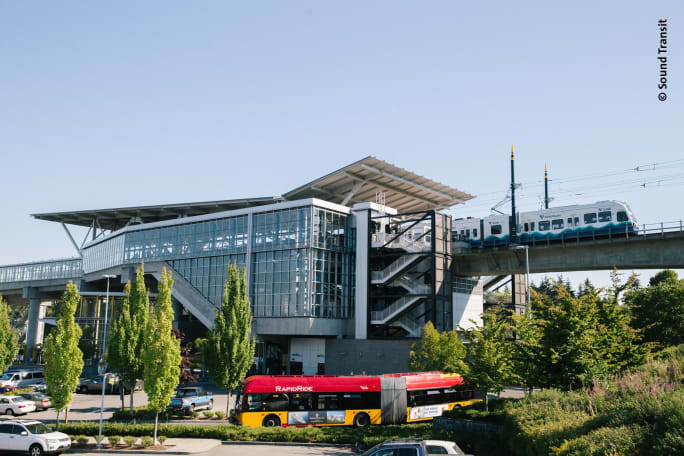
The Sound Transit board directed agency staff to develop and implement an adaptive program management plan and a project delivery framework by the end of 2026.
Photo: Sound Transit
To address the estimated $34.5 billion funding gap over the next 20 years, the updated system plan identifies projects that are affordable within existing resources, including those that can be fully funded and constructed, and those that can be partially funded through the planning and design phases, to be constructed when additional funding is identified.
The plan also includes projects that are not currently affordable within existing resources, which will be re-evaluated as uncertainties in costs and agency revenue are resolved, and projects that will be deferred until additional funding from other sources becomes available.
The board directed agency staff to develop and implement an adaptive program management plan and a project delivery framework by the end of 2026.
This encompasses transparent program management at an enterprise scale to build in a disciplined accountability approach. The goal of program management will be to identify and incorporate cost savings in capital projects, keep the board informed about project risks, schedule risks, and project contingencies, and oversee them. It formalizes specific activities to enable cost savings, accelerate project delivery, and secure additional financial resources to deliver the full ST3 program, Sound Transit officials said.
The project delivery framework will work to ensure that each project remains affordable and that the board retains clear visibility and decision-making authority at key project milestones.
Quick Answers
The primary focus of the updated ST3 System Plan is to incorporate cost savings across the agency and to establish new revenue sources and financial policies for long-term sustainability.
*Summarized by AI
More Management
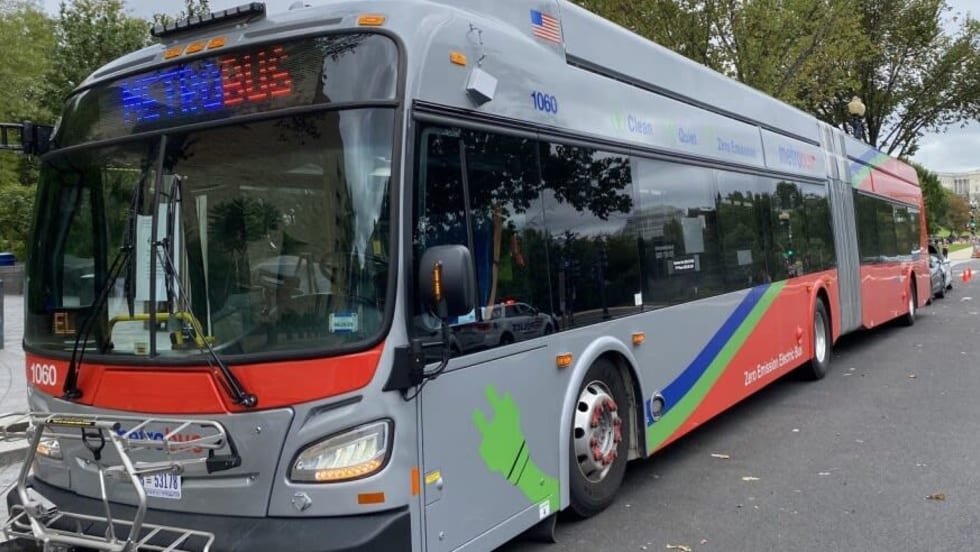
WMATA Debuts 'Fares Pay for Service' Awareness Campaign
The campaign was highlighted during a media event at the Paul S. Sarbanes Transit Center in Silver Spring, where WMATA’s GM/CEO Randy Clarke joined Metro Transit Police officers, WMATA management team, board members, and staff to expand fare enforcement and customer education efforts on Metro Bus routes throughout the region.
Read More →
Managing Complexity: HDR’s Brian Buchanan on Delivering Major Transit Programs
HDR’s transit program management lead discusses the challenges of overseeing large capital projects, adapting to cost and supply chain pressures, and the capabilities agencies need to build for the future.
Read More →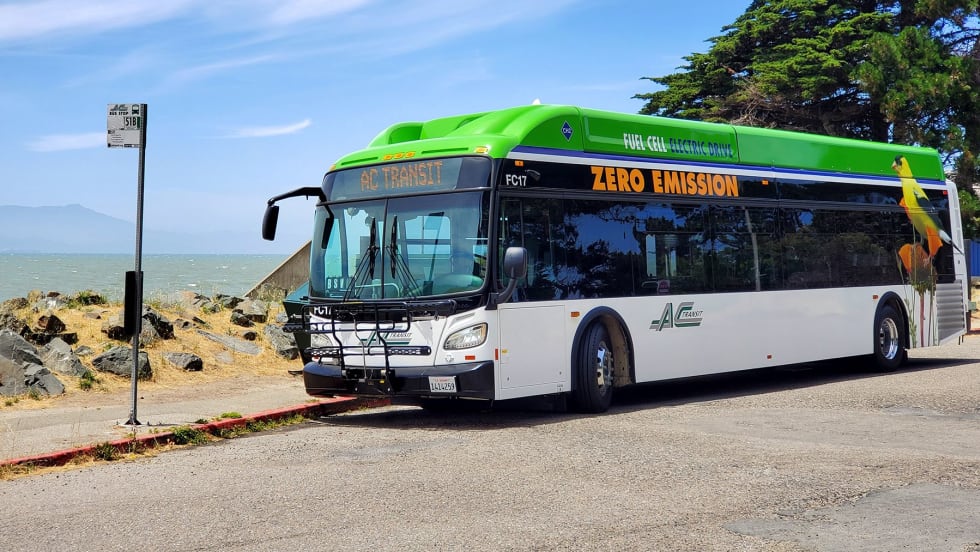
Audit Finds Regional Coordination Across California's East Bay Transit Agencies
The State Auditor further concluded that while collaboration among transit agencies is functioning, the Bay Area’s public transportation systems face mounting structural fiscal pressures that threaten future service levels if sustainable funding solutions are not secured.
Read More →
Biz Briefs: Foothill Gold Line Award, Matawan Contract, and More
From strategic partnerships to acquisitions and service expansions, the industry continues to evolve at a rapid pace. Find out all the latest here.
Read More →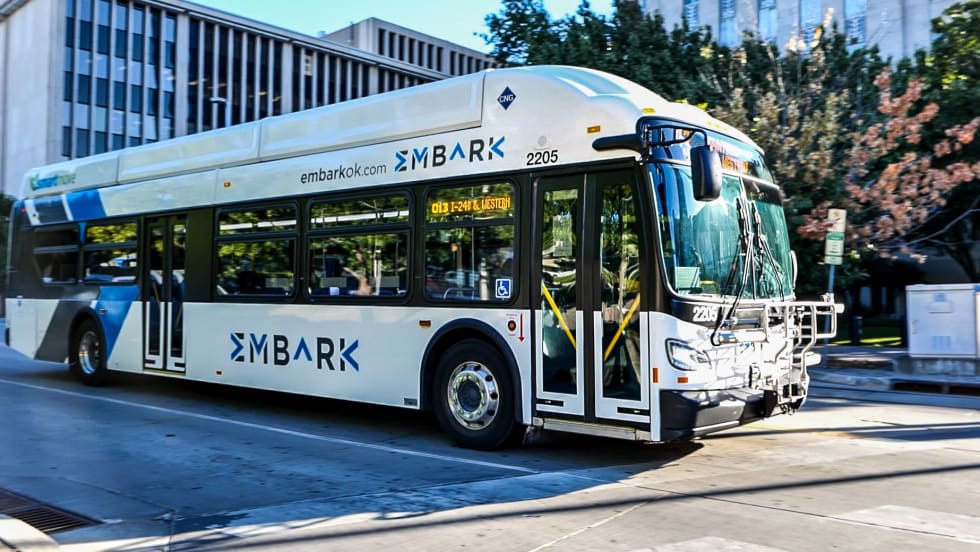
Inside Look: EMBARK Expands Fare-Free Transit Program Through New Public-Private Partnership
The OKC transit agency says sponsorship helps subsidize the Third Friday Free initiative while reducing barriers for first-time riders and boosting ridership across buses, streetcars, and river cruises.
Read More →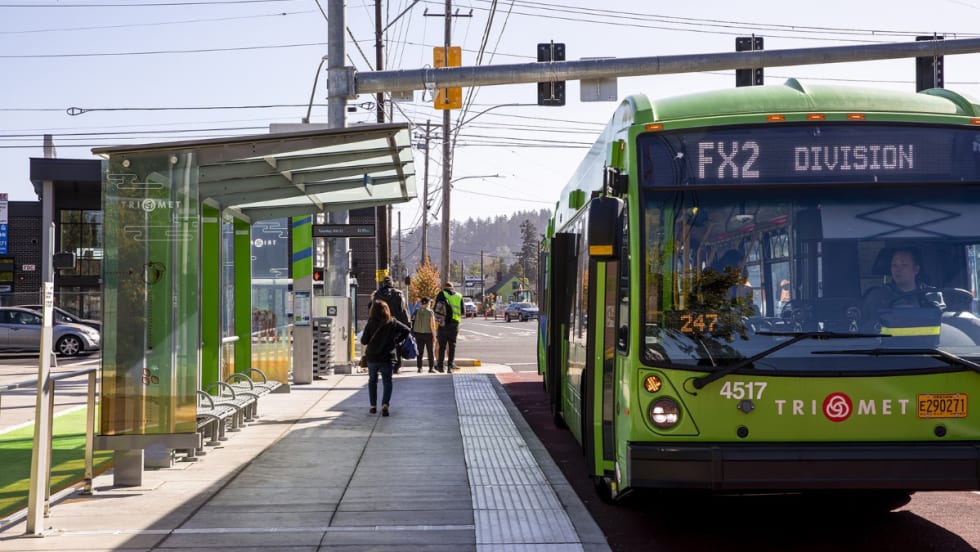
Oregon's TriMet Adopts Major Budget Cuts to Address Financial Shortfall
The board adopted the agency’s fiscal year 2027 budget, approving approximately $64.5 million in spending reductions, including about $53 million in administrative cuts and roughly $11 million in service reductions.
Read More →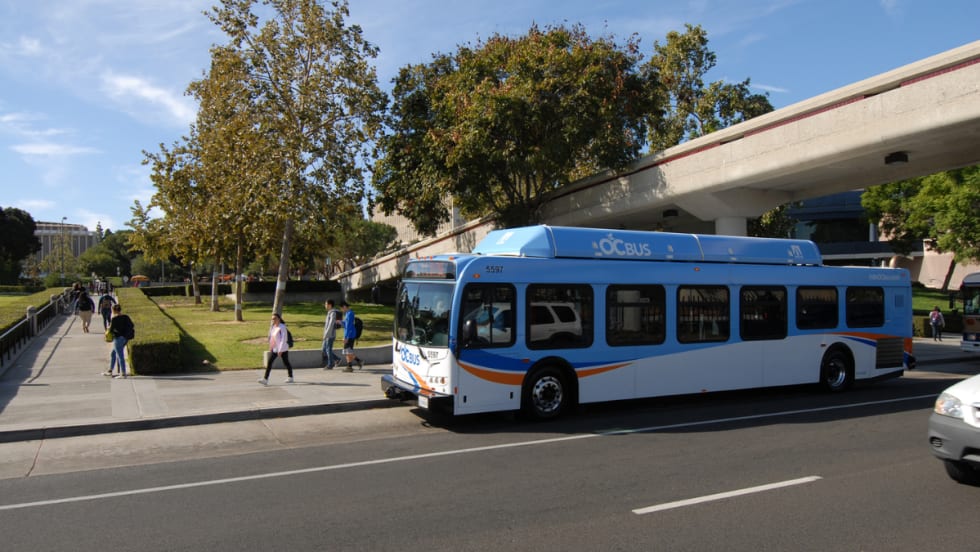
OCTA Sees Growing Adoption of Wave Fare Payment System
Since launching in October 2025, the Wave system has steadily replaced previous fare media with faster, more flexible payment options designed to streamline boarding, improve reliability, and help riders more easily access fare discounts and cost-saving benefits, said OCTA
Read More →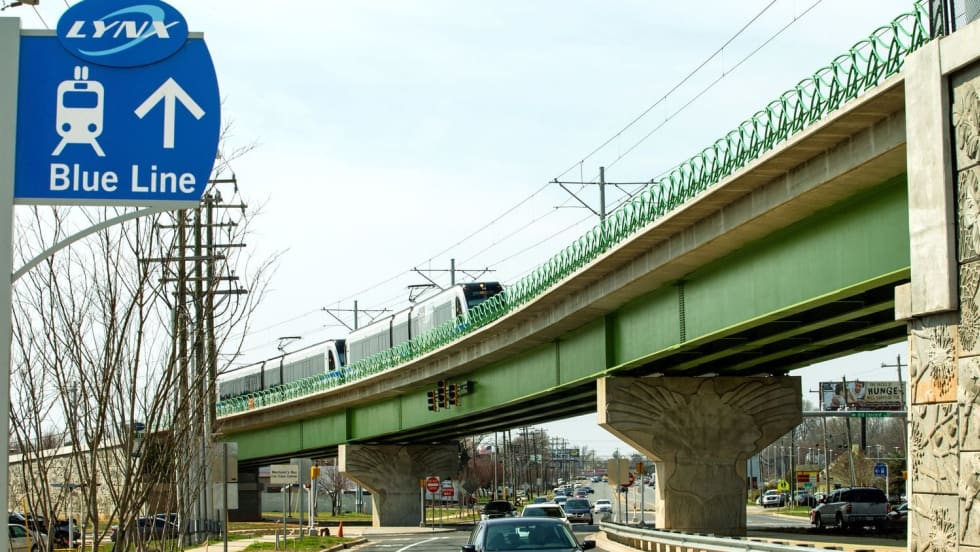
North Carolina's Metropolitan Transit Commission Concludes Decades of Leadership
To commemorate the occasion, current members of the MTC were presented with a custom painting of the Charlotte Transportation Center in Uptown.
Read More →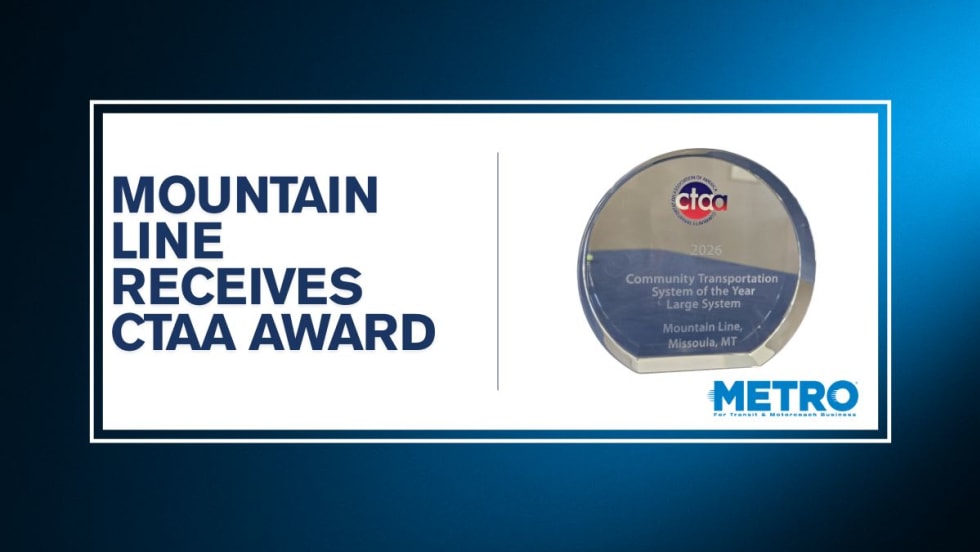
Montana's Mountain Line Named Nation’s Best Transit System by CTAA
The award was presented to Mountain Line representatives at the CTAA Expo in mid-May, with bus operator Bryan Ursery, who has worked at Mountain Line for more than two decades, accepting the award on the agency's behalf.
Read More →
The Evolving Role of Program Management in Transit Delivery
Brian Buchanan, HDR’s transit program management lead, discusses how agencies can strengthen governance, anticipate risk and deliver large-scale projects more effectively.
Read More →